South Korea's Must-Try Dishes: A Colorful Guide to Korean Cuisine
As a journalist reporting on news from China, I would like to present the following article about the hottest food trends in South Korea based on social media discussions, focusing on a viral post that has sparked interest in the country's must-try dishes. The original post, which has spurred a flurry of comments and debates, delves into the unique culinary offerings of South Korea and highlights the diverse range of flavors and colors present in the nation's local cuisine.
--- Amidst the various topics discussed on Chinese social media platform Weibo, the topic of South Korea's must-try dishes has recently taken center stage, sparking a heated discussion among users. A post, shared by a user who introduced themselves as a big fan of Korean cuisine, divided the country's traditional dishes based on color, offering a unique insight into the culinary scene in South Korea. Covering a variety of flavors and culinary styles, the post provides an informative guide for those looking to expand their knowledge of Korean food. The original post breaks down the local cuisine into three main categories based on color: red, yellow, and white.
Within these color-based categories, dishes are further sorted based on cooking techniques and main ingredients. The red category, for instance, represents Korea's famous spicy and sweet dishes, with plenty of chili and garlic used to add a punch of heat to these mouth-watering creations.
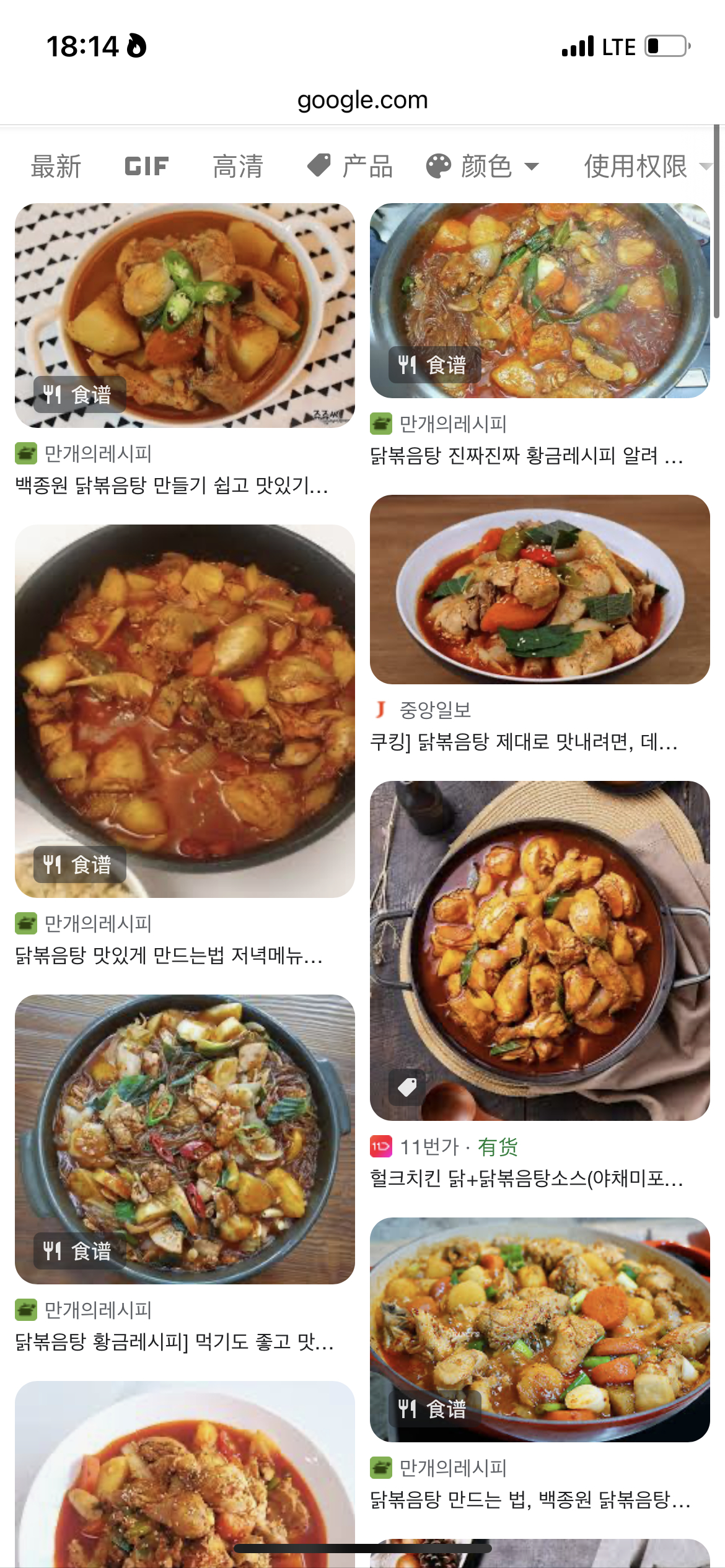
As part of the red category, the dish that stood out the most among Weibo users is the 닭볶음탕 (dak bokkeumtang) or spicy stir-fried chicken, which is marinated in a mix of chili paste, soy sauce, and other seasonings before being cooked with vegetables and potatoes.
One user praised this dish, saying that it is their personal favorite and highly recommended others to try it out. While the red category provides a kick of heat, the yellow category emphasizes the use of soy sauce and sesame oil to create a rich and savory flavor. One user noted that the flavor profile of this category is reminiscent of that found in Chinese cuisine, particularly in dishes like 제육덮밥 (jeyuk deopbap) - a popular spicy pork stir fry.
The white category, on the other hand, mainly revolves around dishes that use tofu, white fish, or other light-colored ingredients. A popular example from this category is 만두 (mandu), which are Korean dumplings that can come in both steamed and fried varieties.
The original post also dives into more specific categories like "spicy and savory" and "savory and light." Within the spicy and savory category, the dish that caught the attention of Weibo users is the 김치전 (kimchi jeon) - a crispy, savory pancake made from fermented kimchi, mixed with flour and egg batter.
Some users expressed their love for Korean food, which they believe offers a rich and complex flavor profile that is quite different from Chinese cuisine. One user commented, "Chinese cuisine has a wide variety of flavors, but Korean food is equally diverse and delicious." As the post gained traction on Weibo, users debated whether it truly encapsulated the essence of Korean cuisine or if some dishes were missing. Some argued that the post should have included the famous 부대찌개 (budae jjigae) or army stew, a hearty soup that combines a variety of ingredients like hot dogs, spam, and tofu, while others felt that the dish should not represent Korean food due to its rather unusual origins.
The popularity of South Korea's food culture has grown significantly in recent years, partly due to the global success of K-pop and K-dramas, which often feature scenes of characters enjoying Korean dishes. This has led to a surge in interest among Chinese travelers who plan trips to South Korea, eager to sample the local cuisine for themselves. In conclusion, the Weibo post discussing the hottest food trends in South Korea has sparked a lively debate among Chinese users, highlighting the nation's unique and diverse culinary offerings. From spicy stir-fried chicken to savory pancakes, Korean cuisine boasts a wide range of flavors and techniques that continue to captivate food enthusiasts worldwide. With the growing popularity of Korean culture, more people are likely to explore the tantalizing world of Korean food and discover the rich and complex flavors that define this fascinating cuisine.