A Medical Student Died in Guangzhou; China Is Arguing About the Three Days of Leave His Supervisor Approved
A student due to graduate next year from Southern Medical University's eight-year medical programme fell to his death in Guangzhou in August, and unverified posts say his supervisor had granted only three days' leave while his father was dead and his mother in intensive care. The case has set off a national debate over the near-absolute power supervisors hold over Chinese doctoral students.
A Guangzhou medical school is under a spotlight this week after a student's death, and the argument it has set off is not mainly about grief. It is about how much unchecked power a single supervisor holds over a Chinese doctoral student's life — and what happens when a family emergency collides with a lab's demands.
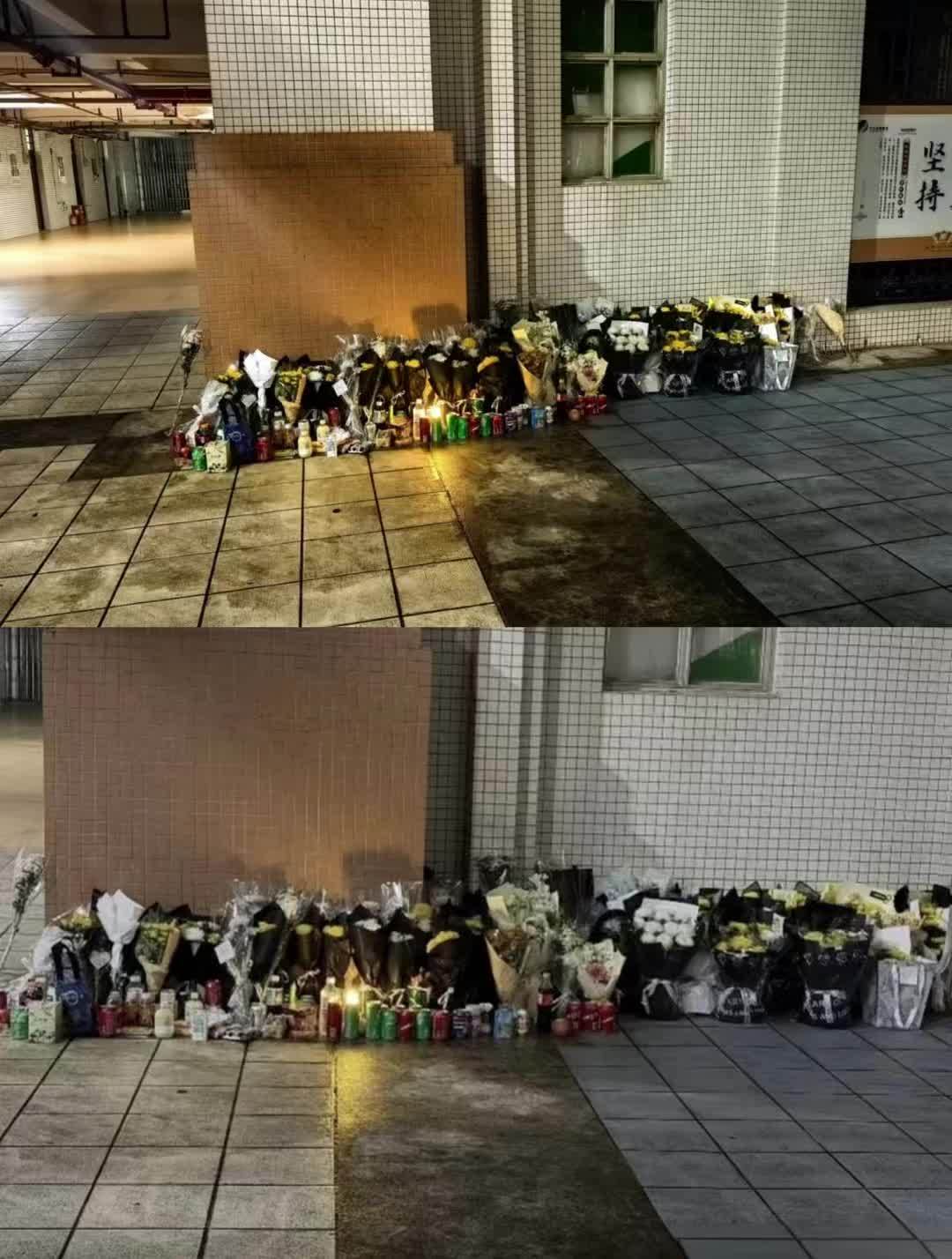
Posts circulating since mid-August say the student, who was due to graduate next year from Southern Medical University's combined bachelor-to-doctorate clinical medicine programme, fell to his death from a dormitory building on the university's Baiyun campus in Guangzhou in the early hours of August 15. By daylight, students had laid bouquets and lit candles at the base of the building, according to photographs that spread across Weibo. The university has not published a statement, and the account of his final weeks comes from anonymous posts that the school has not confirmed.
The version of events that tens of thousands of readers have been quoting runs like this. The student's father died after an accident and his mother was in intensive care; he asked to go home to Chongqing. His supervisor approved three days. A longer absence, the posts say, would have meant delaying graduation — a severe penalty in medicine, where a delayed graduation cascades into licensing exams, residency placement and hiring — or withdrawing from the eight-year programme entirely, which would have left him with a high-school diploma and eight years of nothing. One screenshot, allegedly from a colleague, claims he was still required to enter research data late into the night while at his mother's hospital bedside.
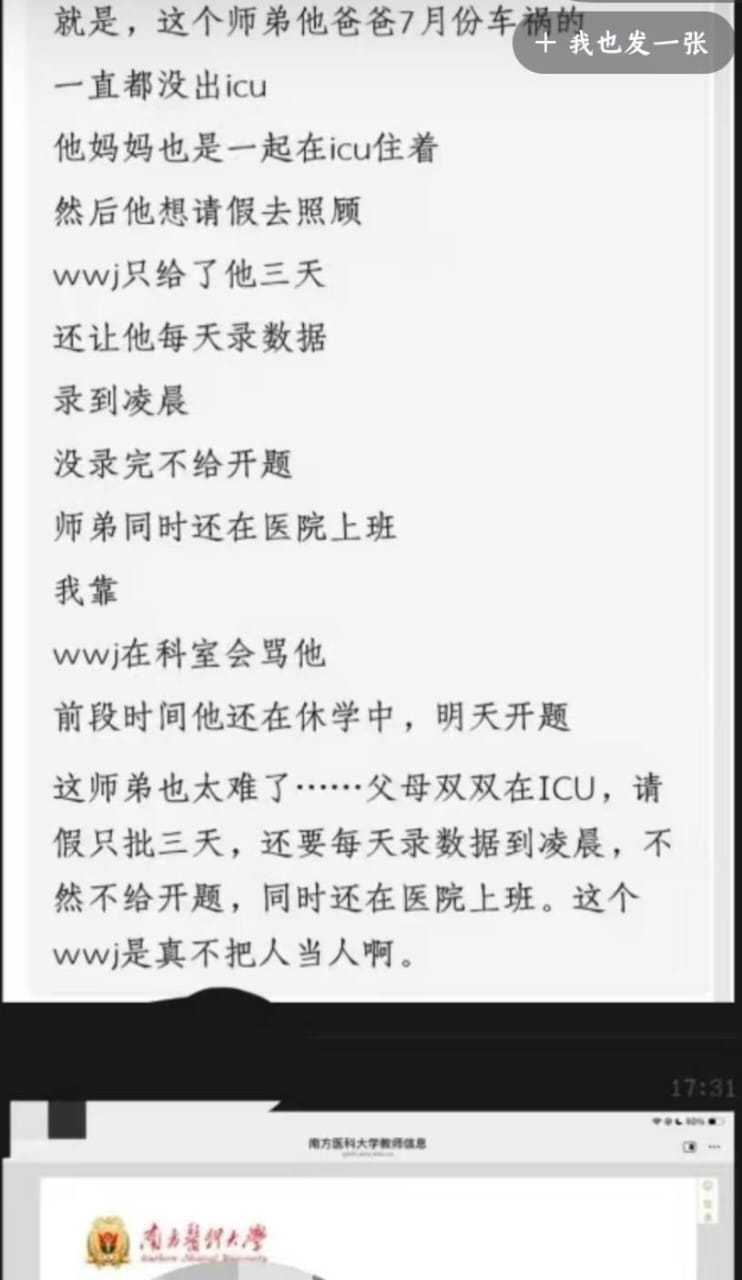
None of these details has been verified; the university, like most Chinese institutions facing a suicide on campus, has stayed silent. What has made the case a national argument is how ordinary the contours feel. In Chinese graduate programmes, the supervisor — the daoshi — does not just advise a thesis. He or she controls topic approval, authorship, travel, leave, and the ever-looming threat of delayed graduation. One widely circulated post put the structural question bluntly: when a student's parent is in the ICU and the student is sending visible signals of distress, why is there no mechanism independent of the supervisor that can step in and temporarily take over decisions about a student's future?
That absence is the story's sharpest edge. China's eight-year clinical programmes admit teenagers out of high school and bind them to one department, one dissertation and one gatekeeper for the better part of a decade; medical students elsewhere can usually change programmes or defer a year, but a Chinese eight-year student who withdraws walks away with the qualification he entered with. The term circulating under the trending topic, yanhua — delayed graduation — reads to students less like an extension than a threat, and the posts this week argue that supervisors can use it with impunity.
A widely read post addressed the audience that matters — the students themselves: life always comes first, its author urged, and when a barrier cannot be crossed for now, the studies can wait. Whether the university will answer the questions left on the pavement — who approved three days, and whether anyone was watching — is the open question the bouquets now mark.