Sun Yingsha Unveils New Entrance Music, Embodies Hot Blood Spirit
Chinese table tennis star Sun Yingsha has made headlines not just for her impressive skills on the court, but also for her new entrance music. The change in her entrance music has sparked widespread interest and discussion among fans and sports enthusiasts alike. Sun Yingsha, known for her exceptional defensive-to-offensive capabilities that have left commentators in awe, has chosen a new theme song that embodies the spirit of "hot blood," symbolizing passion, energy, and a fierce competitive spirit.
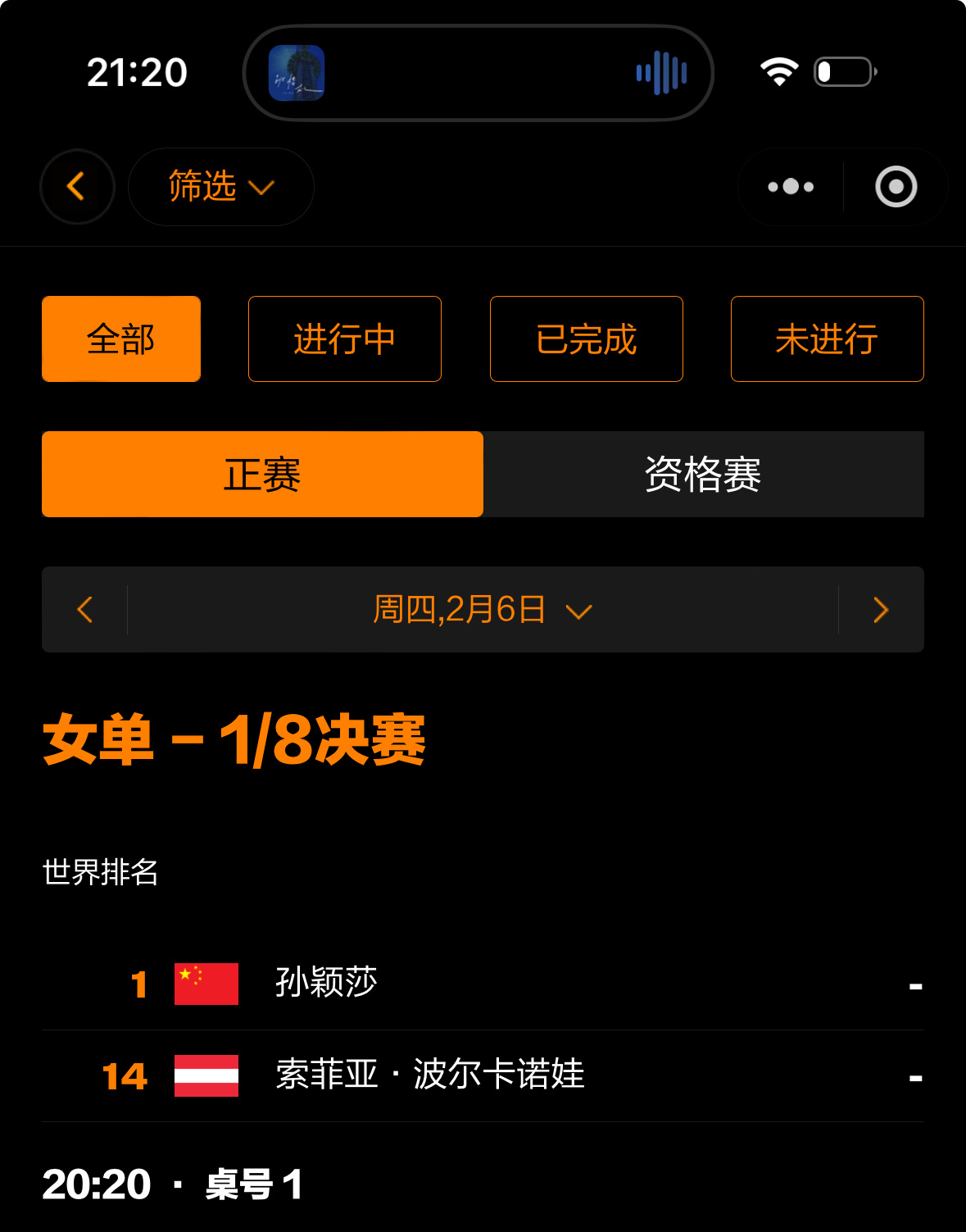
This shift in entrance music is seen as a reflection of Sun Yingsha's evolving persona and style, both on and off the court. The choice of "hot blood" as the theme for her new entrance music suggests a desire to project an image of dynamism and vigor, characteristics that are not only admired in sports but also resonate deeply with her fan base. The term "hot blood" itself is often associated with themes of youth, passion, and an unyielding dedication to one's craft, all of which are qualities that Sun Yingsha embodies as a young and ambitious athlete.
In a recent interview, Sun Yingsha expressed her determination to give it her all and fight for every point in the upcoming women's doubles event. Her renewed energy and enthusiasm are also reflected in her new walk-out music, "Fiery Youth," which she believes embodies the passion and excitement she feels when stepping onto the court. With her sights set on the next challenge, Sun Yingsha is ready to put in a strong performance and make her mark on the tournament.
According to Sun Yingsha, the adjustment in her entrance music was a deliberate choice, aimed at inspiring a fresh dynamic in her competitions. She revealed that the decision to change her entrance music was influenced by her desire to signal a new chapter in her career. "I wanted something that could motivate me even more, something that could match the level of intensity and passion I bring to every match," she explained. The new music, she said, embodies an elevated energy and symbolism that she believes will resonate with her fans and also serve as a personal reminder of her goals and aspirations in the sport.
The reaction to Sun Yingsha's new entrance music has been swift and enthusiastic, with fans and sports analysts taking to social media platforms to share their thoughts and opinions. Videos and posts discussing the change have garnered significant attention, with many praising the choice for its motivational and uplifting qualities. Chinese sports fans and enthusiasts of table tennis took to social media and online forums to discuss and debate Sun Yingsha's decision. A significant portion of the fan base expressed support for her choice, praising her for continuously seeking ways to innovate and improve her performance and engagement with fans.
However, not all reactions were positive. Some fans expressed nostalgia for her previous entrance music, which had become iconic and closely associated with her identity as a player. They voiced concerns that changing such an integral part of her presentation might alter the essence of her performances. Despite these mixed reactions, Sun Yingsha remains optimistic, believing that her fans will come to appreciate the new music as they experience it in the context of her matches.
The reaction from Chinese sports enthusiasts also highlighted the broader cultural significance of table tennis in China. The sport is not just a form of entertainment but also a source of national pride, with athletes like Sun Yingsha being considered role models and ambassadors of Chinese excellence in sports. As such, any significant changes made by prominent athletes are scrutinized not just for their sporting implications but also for their cultural and social impact.
Overall, Sun Yingsha's decision to change her entrance music serves as a microcosm for the ongoing evolution of sports and athlete branding in China. It reflects the dynamic interplay between athletes, their fans, and the broader cultural context in which they compete. As Sun Yingsha continues her career, her choices, including something as seemingly minor as entrance music, will undoubtedly remain under scrutiny, symbolizing the complex relationship between sports, identity, and fandom in contemporary China.