Tankers Sunk, Bases Struck: China's Internet Watches the US–Iran Conflict Escalate
The United States and Iran have traded strikes across the Gulf for a third day — oil tankers, destroyers, airbases in Jordan — and on Chinese social media the war is being followed with interceptor counts, missile analyses and gold charts. It is also being felt: oil-linked inflation and the price of gold are the local angle on a distant conflict.
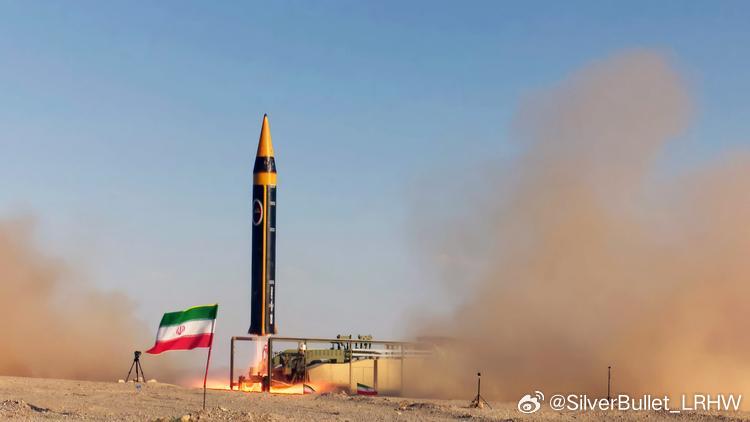
A war between the United States and Iran is escalating in the Gulf, and Chinese social media is tracking it with the close attention of an audience that assumes it will pay at the pump. On September 8, US Central Command said it destroyed five tankers of Iran's Revolutionary Guard Corps after Iranian missiles twice targeted a US navy destroyer; Iran answered within a day by claiming strikes on two American destroyers, eight oil tankers and ten other vessels, and by firing ballistic missiles at a US base in Jordan — twenty of which Jordan's air defences intercepted, according to Amman. US casualty-system data cited on state-linked financial media puts cumulative American wounded and killed in the conflict at 838.
Iran has also claimed the capture of an American unmanned submarine at the Strait of Hormuz; CENTCOM, unmoved, called it "a malfunctioning device."
The war, read like a box score
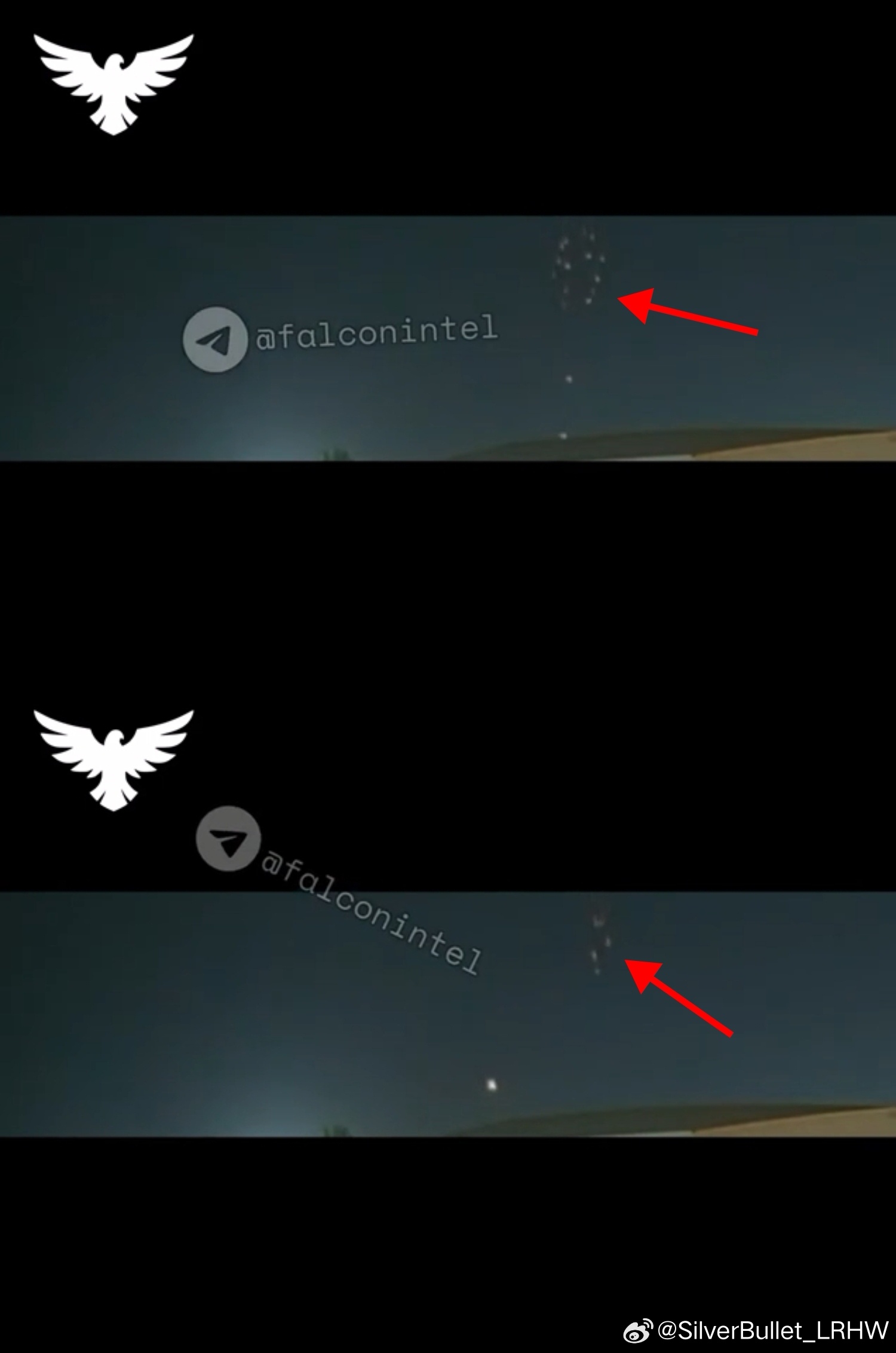
The distinctive register on Weibo is forensic. Military bloggers are not narrating the war but scoring it: one widely shared analysis of the strike on Jordan's Muwaffaq Salti airbase counted roughly fifty American interceptor missiles fired against about twelve incoming Iranian ballistic missiles, judged six to eight shot down, and argued that at least two cluster-warhead reentry vehicles penetrated anyway — evidence, the blogger concluded, that Iran's large liquid-fuel Khorramshahr-family missiles are difficult to stop and that the American interceptors were chosen for exactly that threat. The same circles passed around Iran's September 7 unveiling of a new missile, the Qassem Basir, billed by Tehran as the marker of a shift "from passive to active deterrence."
The local angle: gold and oil
The other Chinese lens is the trading floor. Gold commentators on Weibo are running the conflict through a specific model — that markets are currently pricing "oil pushing up inflation, inflation delaying rate cuts," so that escalation only becomes a true safe-haven story if it cuts crude supply for real. It is a reminder of how the war reaches China: through tanker insurance, crude benchmarks and the gold fix rather than through any direct involvement. Beijing's own position — where headlines come from CCTV's correspondents and claims from both sides are summarized rather than dramatized — stays measured; the US has said its Secretary of State pledged continued strikes on Iranian tankers, and Iran's oil exports, under blockade since July, have reportedly collapsed by 85 percent.
The next round, both armies have promised, is already scheduled.