US Returns 58 Ancient Artifacts to China, Including a Bodhisattva Looted a Century Ago
At a ceremony at the Chinese Embassy in Washington, US Homeland Security Investigations returned 58 relics and fossils to China, led by a stone bodhisattva taken from Shanxi's Tianlongshan Grottoes over a hundred years ago — a rare bright spot in US-China relations.
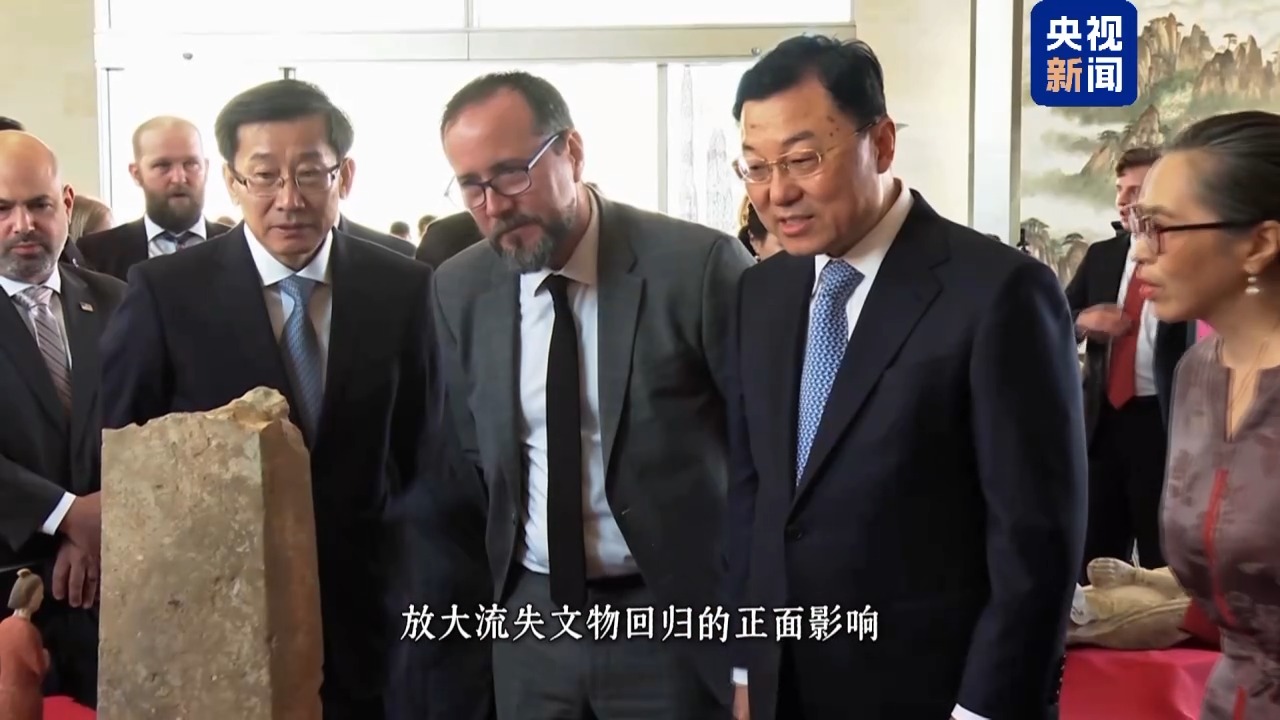
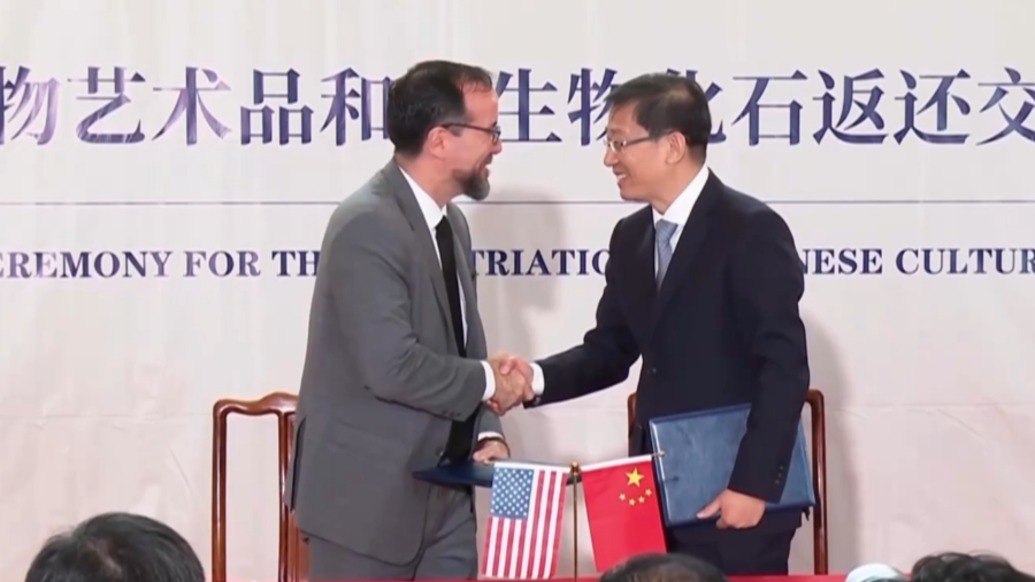
A stone bodhisattva that was carried out of the Tianlongshan Grottoes in Shanxi more than a century ago is finally going home. The statue is the centerpiece of a batch of 58 relics and paleontological fossils that the United States handed back to China on September 16, at a repatriation ceremony held at the Chinese Embassy in Washington.
The items were returned in ten separate batches by the Homeland Security Investigations unit that tracks trafficked cultural property, following years of case work. Alongside the bodhisattva, photographs from the ceremony show an earthenware horse and rider among the pieces examined before the handover. Ambassador Xie Feng said at the ceremony that the return was the fruit of years of cooperation between the two countries' authorities, and that he hoped more lost Chinese relics would yet "end their wandering and come home."
For Chinese readers, the Tianlongshan name alone carries the story. The cliffside grottoes outside Taiyuan, carved between the fifth and eighth centuries, were systematically looted in the early twentieth century by dealers supplying overseas collectors, and their scattered statues have become shorthand in China for the country's lost heritage — several pieces have been returned in recent years, each one closely covered. The hashtag "US returns 58 Chinese artifacts" drew wide attention on Weibo, where the outlet 澎湃新闻's post on the bodhisattva was among the most engaged. "Their value is high — and more and more Chinese relics are coming home," Xie said, in remarks carried by Chinese media.
The return is also the latest chapter in a quiet channel of cooperation running through a strained relationship. Earlier this year the embassy received the Zidanku silk manuscripts and a set of Warring States tiger-shaped ornaments, and each repatriation is framed by both sides as evidence the two governments can work together even as they clash over trade and technology — the same week saw Chinese and US officials trading words over tariffs and preparing a possible leaders' meeting. Cultural property is one of the few dossiers where both capitals consistently claim progress.
Whether that goodwill extends anywhere else remains to be seen. But the arithmetic of repatriation keeps improving for Beijing: with each handover, the network of investigators, prosecutors and museums willing to return looted Chinese material grows, and the list of what remains abroad gets shorter by tens of pieces at a time. The bodhisattva from Tianlongshan will now rejoin the grottoes it was cut away from a hundred years ago.