Weibo Floods with ‘Woke Up and Said Goodbye to Summer’ as China Marks the End of Heat
In recent weeks the Chinese phrase “一觉醒来和夏天告别了” – literally “Woke up and said goodbye to summer” – has been flooding Weibo, the country’s dominant micro‑blogging platform. Far from a fleeting meme, the expression taps into a deep‑seated cultural rhythm tied to the traditional solar calendar, specifically the solar term “处暑” (Chǔshǔ), known as “End of Heat.” Occurring around the beginning of September, Chǔshǔ marks the official transition from the sweltering days of summer to the cooler, crisper air of autumn.
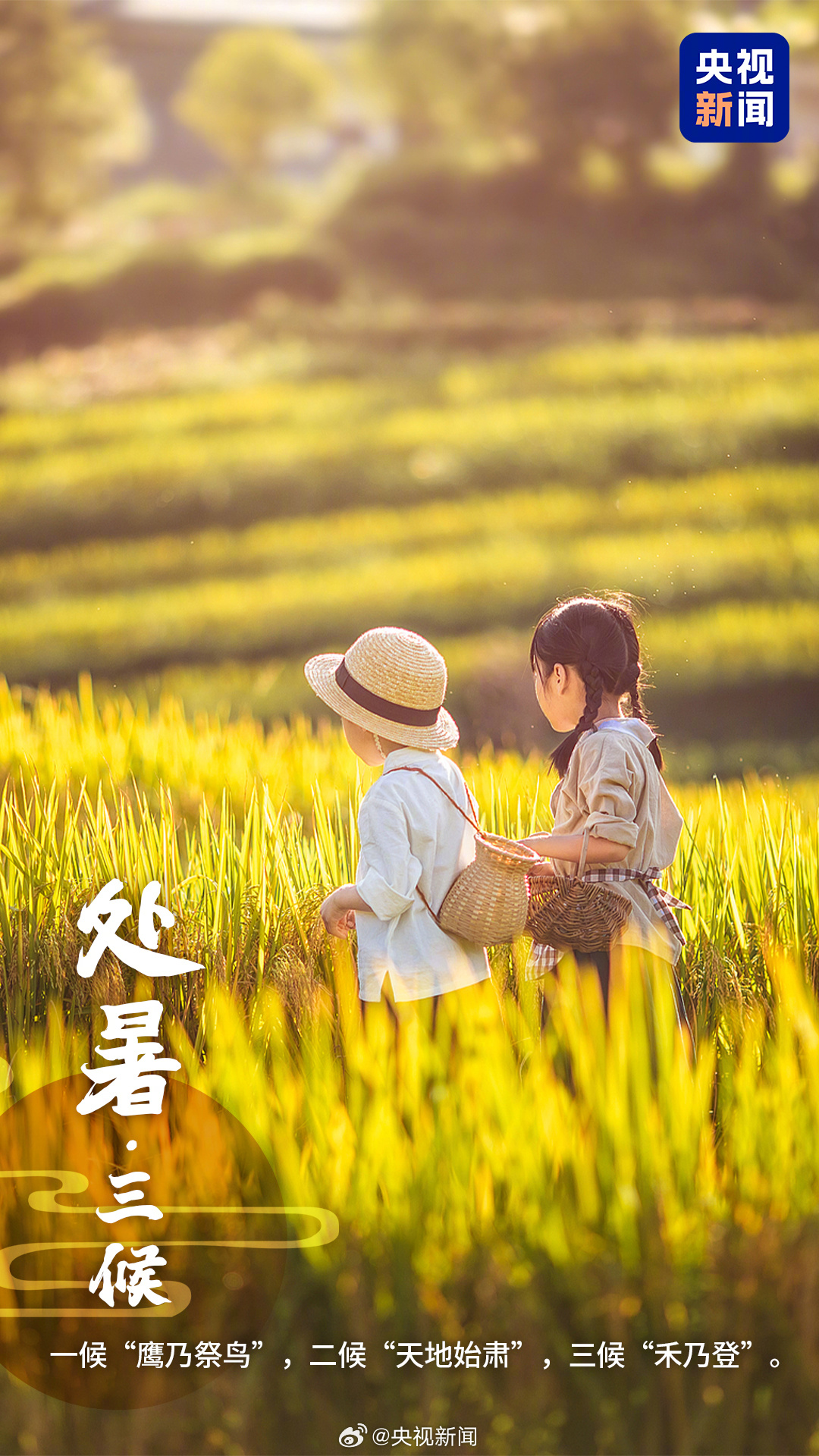
Users who post the phrase do so as a concise way to flag the shift in weather, the fading of cicada choruses, and the subtle change in daily life that accompanies the season’s turn. The hashtag often appears alongside photos of dewy mornings, mist‑laden streets, and the first hints of autumn foliage, while many contributors share practical tips for adjusting to the new climate. Health‑focused posts recommend foods traditionally believed to support lung function as temperatures dip – pears, silver‑ear (a type of fungus), honey, and lotus root – and warn of “秋乏” (autumn fatigue), a lingering lethargy that many feel as the year’s tempo slows.
The sentiment behind the phrase is unmistakably nostalgic. One user wrote that she “misses the cicada’s song” while another joked that “here we only have summer + version,” pointing out that in some southern regions the heat persists long after the calendar says otherwise. For many, the line is a poetic farewell to the carefree, long‑day rhythm of summer, an acknowledgement that the “refreshing breeze” of autumn is finally arriving. The collective mood is largely upbeat – users celebrate the “清爽劲儿” (refreshing feel) of the new air, plan foot massages to welcome the cooler days, and look forward to seasonal activities like mushroom foraging and almond‑scented tea.
While the phrase itself carries no political charge, its ripple effects can be observed in consumer behavior. Retailers already anticipate a shift from shorts and swimsuits to jackets, sweaters, and longer trousers as Chǔshǔ approaches, and the surge of posts about autumn can reinforce those seasonal trends. Tourism patterns also tilt; beach destinations see a dip in bookings while spots famed for autumn foliage or indoor cultural experiences report a modest uptick. Food and beverage outlets, too, begin to spotlight heartier fare and warm drinks, aligning with the public’s yearning for comfort as temperatures fall. Yet these adjustments are part of the broader, predictable rhythm of the year rather than a direct consequence of the viral phrase.
Linguists and cultural observers note that the line, while straightforward in translation, can carry layered meanings depending on context. Beyond the literal “Woke up and said goodbye to summer,” it may evoke the suddenness of change – “Woke up to find summer gone” – or a more wistful sense of loss – “Woke up and those summer days were over.” In Japanese literature, similar phrasing has been used to symbolize the end of a romance or the fleeting nature of youth, a nuance that subtly flavors the Chinese usage as well. Nonetheless, on Chinese social media the primary function remains a seasonal marker, a shared shorthand that binds millions in a moment of collective reflection.
In sum, “一觉醒来和夏天告别了” is less a headline story than a cultural touchstone, a digital shorthand for the age‑old practice of marking the turning of the seasons. It illustrates how modern platforms like Weibo can revitalize ancient calendars, turning a solar term that once guided agricultural practices into a living, social expression. As the Chinese internet bids farewell to the heat, it also welcomes the cooler, more contemplative days of autumn – a transition that, for many, feels both inevitable and poetically resonant.