Xi Jinping's State Visit to Washington: What Beijing Brings to the Second Trump Summit
Beijing confirmed on Monday that Xi Jinping will pay a state visit to the United States from 23 to 25 September at President Trump's invitation — the second leaders' summit in four months, with rare-earth leverage, truce terms and a proposed AI-safety channel on the table.
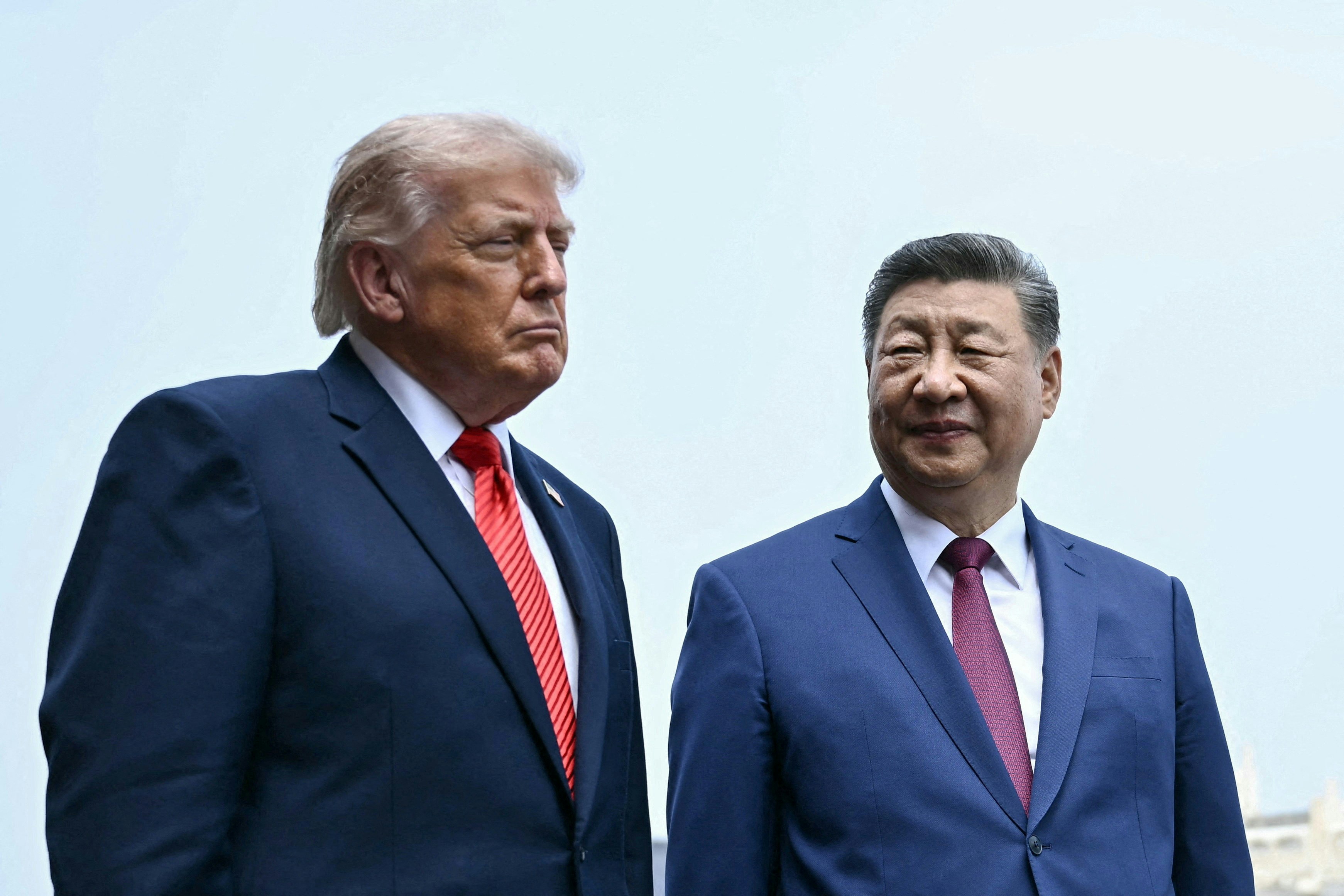
Beijing has made it official: Xi Jinping will pay a state visit to the United States from 23 to 25 September, at President Donald Trump's invitation, with the centrepiece summit set for Washington on the 24th — the second time the two leaders sit down in four months (the announcement). Foreign Ministry spokesperson Guo Jiakun told reporters the two men will exchange views "in depth" on the major questions of the relationship and of world peace and development (the briefing).
The choreography is itself the message. Guo pointed out that the leaders will have visited each other's capitals within half a year — Xi hosted Trump in Beijing in May — and called that rhythm "a historic milestone". For a relationship defined for years by tariff salvos and export bans, the visit is being presented at home as proof that stabilisation has arrived.
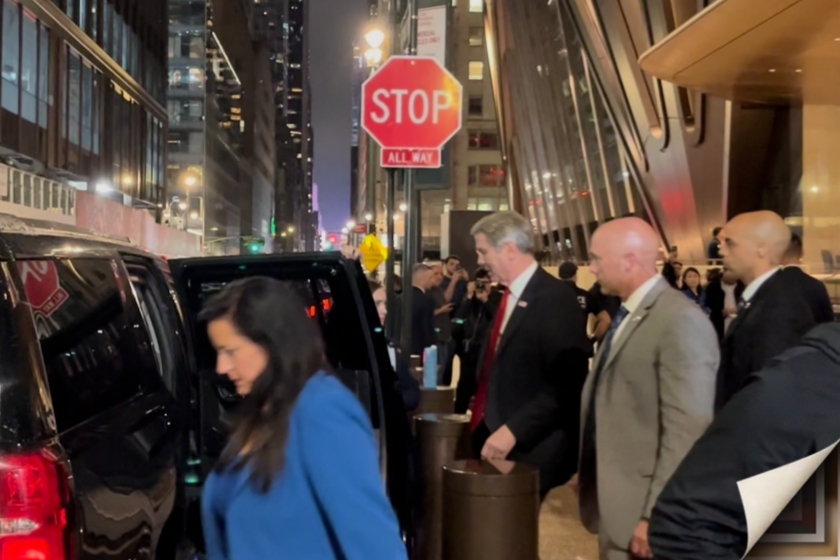
Much of what Beijing brings was settled in New York first. He Lifeng, China's trade lead, spent close to four days in Manhattan with Treasury Secretary Scott Bessent and Trade Representative Jamieson Greer before the talks wrapped on Saturday, covering trade and, notably, artificial intelligence (our earlier coverage). Bessent said afterwards that the United States has proposed a bilateral AI-safety notification mechanism and will put it to the summit (Caixin's report).
Then there are the minerals. China's exports of rare-earth magnets to the US fell 21 per cent year-on-year in August to 512 tons, and with the metals now established as leverage in the talks, critical minerals are expected to feature in Washington (HK01's summary). Asked whether the leaders would also discuss China's restrictions on rare-earth exports to Japan, the ministry offered only the standing line: both sides should implement the consensus the two leaders reached (the Paper's account).
Analysts expect economics to crowd out everything else. Zhang Wuyue of Taiwan's Tamkang University argues that a second meeting in four months is itself the achievement — a way to manage differences — and that Taiwan's urgency has dropped; Beijing, he says, will use the window to secure a "strategic opportunity period" (HK01's analysis). DW's tally of the four big questions reaches the same asymmetry from the other side: Trump needs visible wins before November's midterms, while the structural fights over technology controls cap what any summit can deliver (DW's analysis).
At home the announcement ranked second on Baidu's board with nearly 7.8 million searches and led CCTV and the party's theory journals (the Baidu entry). The Weibo hashtag, by contrast, carried almost nothing but state-media notices — summit diplomacy, in China, is choreographed before it is commented on.
The leaders meet on Wednesday. The dossier in front of them — truce terms, an AI-safety channel, magnet shipments — was drafted by subordinates in New York; Washington's test is whether it survives the handshake.