China and the United States Open Trade Talks in New York Ahead of a Trump–Xi Meeting
Delegations led by Vice-Premier He Lifeng and Treasury Secretary Scott Bessent began trade consultations in New York on Sunday, with a Trump–Xi meeting in the offing — and Beijing quietly upgraded its negotiator's title for parity with the US Trade Representative.
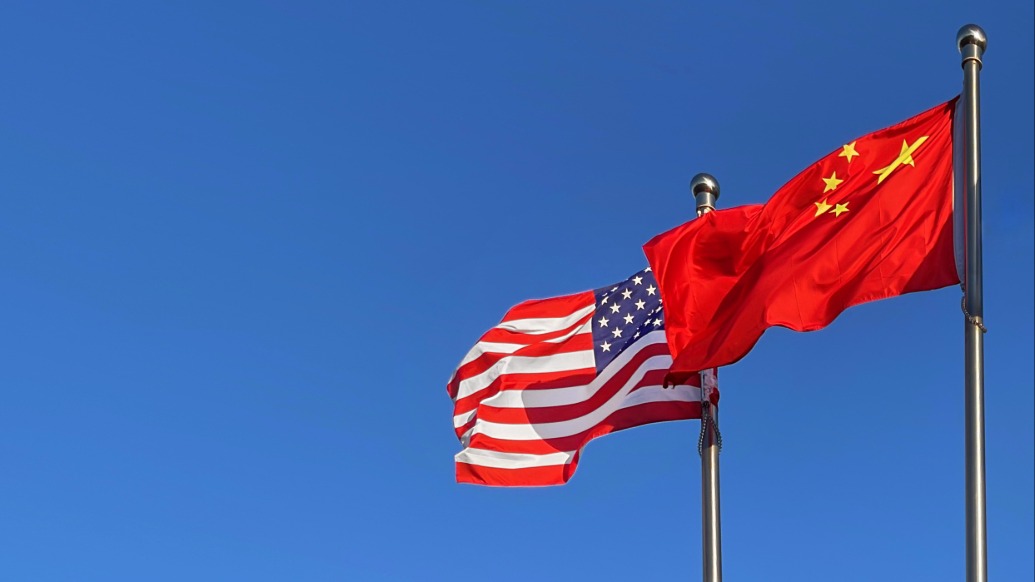
China and the United States opened a new round of trade consultations in New York on Sunday morning, local time, the first face-to-face meeting since the two sides agreed to send delegations across the Pacific this week.
The Chinese team is led by He Lifeng, a vice-premier and member of the Politburo who has become Beijing's point man on economic talks with Washington. Xinhua and People's Daily confirmed the opening of the talks within minutes of each other on Sunday evening, Beijing time, and the Ministry of Commerce had said on Friday that the delegation would be in the United States from September 19 to 23, "guided by the important consensus of the two heads of state." Taiwan's Central News Agency, citing Hong Kong media, reported that the American counterpart across the table is Treasury Secretary Scott Bessent.
The timing is not incidental: a meeting between Donald Trump and Xi Jinping is expected to follow, and these consultations are the staging ground for it. What gets settled in New York — tariff truce extensions, export controls, the fentanyl-related tariffs that have layered on top of the earlier rounds — will shape what the two presidents have left to negotiate.
Beijing also sent a signal inside the delegation list. On the day the talks opened, the State Council announced that Li Chenggang — the trade negotiator who led last year's rounds — had been retitled "International Trade Negotiation Representative of the People's Republic of China," dropping the ministry prefix that previously marked him as a Commerce Department official. Hong Kong outlets read the upgrade as protocol-matching: it puts his title on a par with the US Trade Representative, rather than one rung below it. Negotiating status is taken seriously in both capitals, and a headline on the Chinese web made the same point in fewer words: the talks got their own "upgrade."
The file the two sides are working through is well thumbed. When the last round ended in Kuala Lumpur last October, Li told reporters it had covered export controls, extending the pause on tit-for-tat tariffs, the fentanyl tariffs and drug-control cooperation, expanding trade, and the US fees on Chinese-built ships — and described the American position as "tough" while China's defense of its interests was "firm." That round produced a preliminary consensus that both sides have been living on since.
There is no communiqué yet from New York, and the state-media posts that announced the talks carried no list of demands — just the fact of the meeting. The next signal to watch is whether the readout that ends the session leans on the phrase both sides used last year: a consensus that each side can present as a win.