Democrats Sweep the US Midterms, Leaving Musk's Record $474 Million Bet Empty-Handed
US media projected on November 4 that Democrats had won control of both the House and Senate, ending two years of unified Republican rule. Weibo followed the concessions, the record-spending Musk flop — and what a divided Washington might mean for Chinese chips.
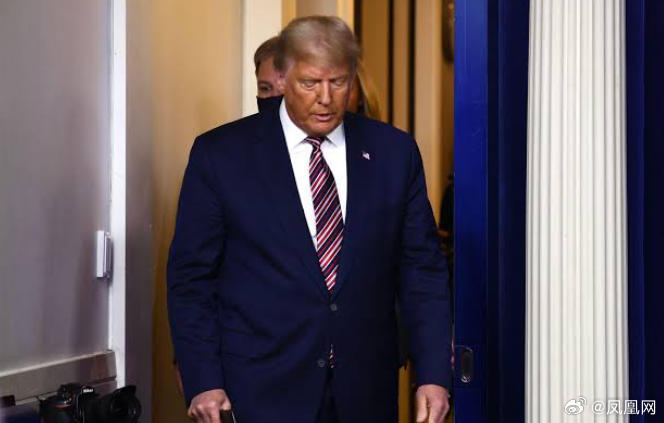
By the time the last polling stations in Alaska's Aleutian Islands closed early Thursday morning Beijing time, the projection had already settled: Democrats would take back both chambers of the United States Congress. For Donald Trump's Republican Party, which had controlled the House and Senate alike, the 2026 midterms ended two years of unified rule and set up the final stretch of his presidency as divided government. On Weibo, where state broadcasters and financial outlets tracked the count in real time, the result was treated less as drama than as accounting: who had lost what, and how much it cost them.
Trump filed the concession first. In a call to Fox News, the president congratulated Democrats on a victory he said they had spent eleven years working toward, while insisting the defeat was not his — his name, he noted, was not on the ballot. He did name one culprit: the war in Iran. Voters, he said, agreed with his approach but were unwilling to absorb the short-term costs, gasoline prices among them (as the outlet Sina Hot recounted).
The most expensive loser was not on any ballot. Elon Musk put a record $474 million into the cycle — a New York Times figure relayed by Global Times — making him the single largest political spender of the election by a non-candidate. After more than nine hours of silence as the results came in, the world's richest man reappeared on X with two posts: first, that space data centers were "looking quite attractive"; a minute later, the joke his Chinese readers fastened onto. "Looks like the space laser I used to interfere with the election didn't work this time," he wrote, as Global Times recounted.
Barack Obama's congratulation set the theme Democrats will carry into the new term: the American people, the former president wrote, sent a clear message that they want politics that brings people together rather than tears them apart, and it falls to them now to "roll up our sleeves" and drive change where they can. On Weibo, the sharper note came from a popular political commentator, who argued that the hardest thing for Trump's supporters to accept was that the Democrats won while leaderless and fragmented, each faction doing its own chaotic thing — "and they still beat the Republicans to death" (把共和党打死了), as one Weibo user put it.
What the sweep means for the remaining two years is, in Chinese commentary, mostly a question of plumbing. A Phoenix Net explainer walked readers through the coming "lame duck" presidency: any major Republican bill — further tax cuts, border security, legislative cover for Trump's tariffs — now dies in a Democratic House; the power of the purse becomes the battleground; and the subpoena-wielding committees open the investigations Democrats have already lined up, from the Trump family's cryptocurrency dealings to the Epstein files and the Pentagon's Iran decisions (as Phoenix Net laid out).
Beijing's own response was deliberately small. Asked how China viewed the result, the foreign ministry's spokesperson Mao Ning called the midterms an internal American affair and said China stands ready to keep implementing the consensus reached by the two countries' leaders, as China's Baidu trending board recorded.
The reading with the most immediate consequences for China came not from the politics desks but from the trading floors. One finance blogger argued that a Democratic Congress means higher compliance costs and slower data-center expansion for American AI companies, while Washington's tech barriers toward China stay up — news, he reasoned, that pushes Chinese capital toward the self-reliant semiconductor trade. The STAR 50 index of Shanghai's tech-heavy board, he noted, was already surging past 10 percent that same afternoon. Weibo's most concrete verdict on the American election, in the end, may have been rendered in the order book.