China's Modular 'Constellation' Rocket Puts 18 Satellites in Orbit on Its Second Flight
Lijian-2, the modular rocket built by CAS Space, completed its second flight on November 3 by deploying 18 satellites for China's Qianfan broadband constellation — the first constellation-scale launch for a rocket designed to be assembled like building blocks, with its makers citing costs benchmarked against SpaceX.
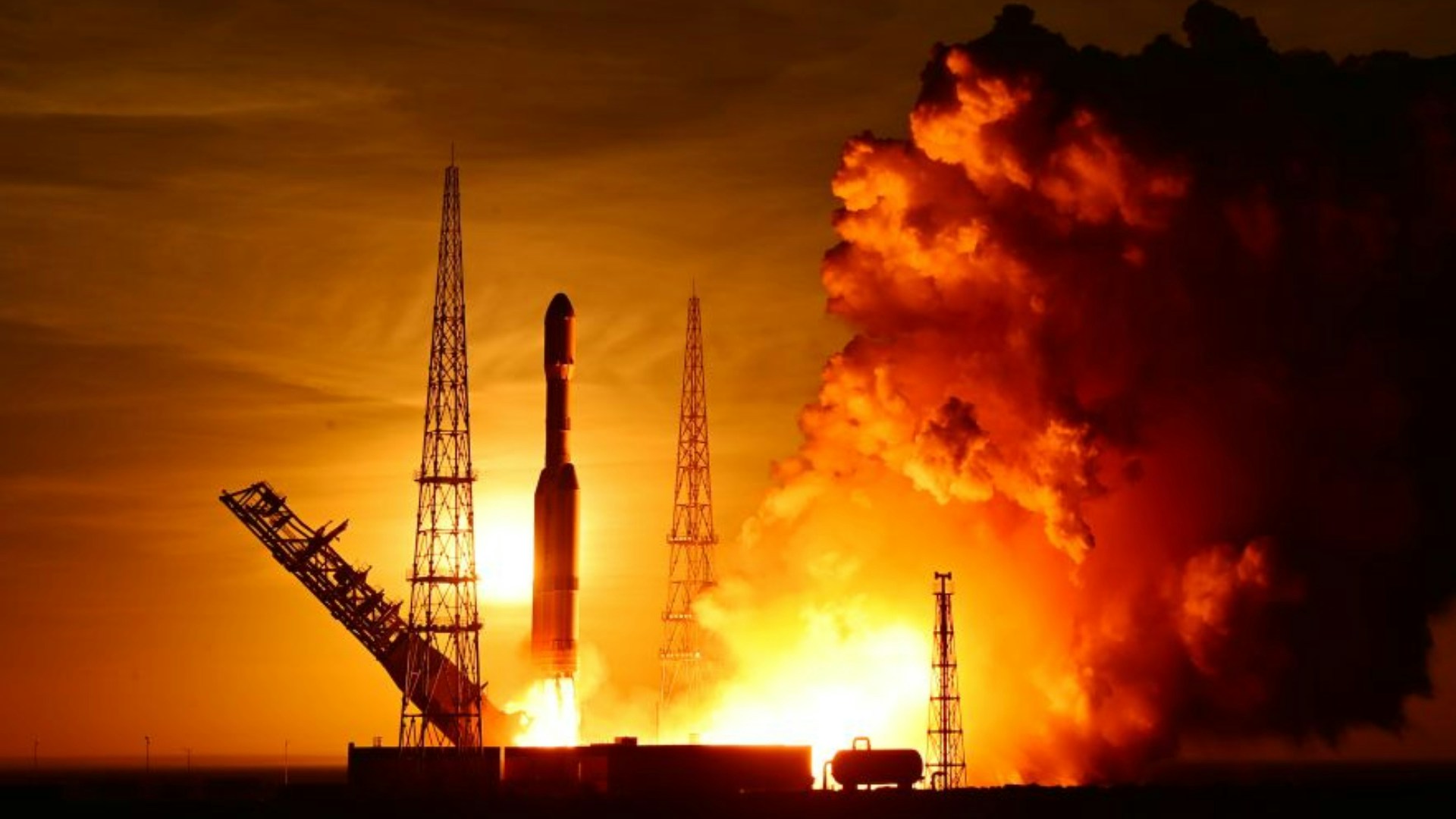
On November 3 at 8:15 a.m., a rocket lifted off from the Dongfeng commercial launch site in northwest China and placed 18 satellites into low Earth orbit. The launch was routine in its outcome and notable in almost every other respect.
The rocket was Lijian-2, built by CAS Space, a Guangzhou-based company spun out of the Chinese Academy of Sciences. It was only the type's second flight, and it carried the largest mission of its young career: a batch of 18 satellites for Qianfan, China's answer to Starlink and the country's most ambitious low-orbit broadband constellation. For CAS Space, the flight marks its first constellation-scale deployment — the moment a launch vehicle stops being a demonstration and starts being infrastructure.
The engineering story is the rocket's architecture. Lijian-2 is China's first launch vehicle built on a "common booster core" design: standardized rocket stages that can be stacked like building blocks — a single core for light payloads, two or four boosters strapped on for heavier ones. The same modules serve every configuration, which spreads development and production costs across a whole product line instead of a single rocket. Coverage of the launch by Hong Kong outlet HK01 was explicit that the design's production logic aims at costs benchmarked against SpaceX — the company that made reusable, high-cadence launch the gatekeeper of the satellite-internet business.
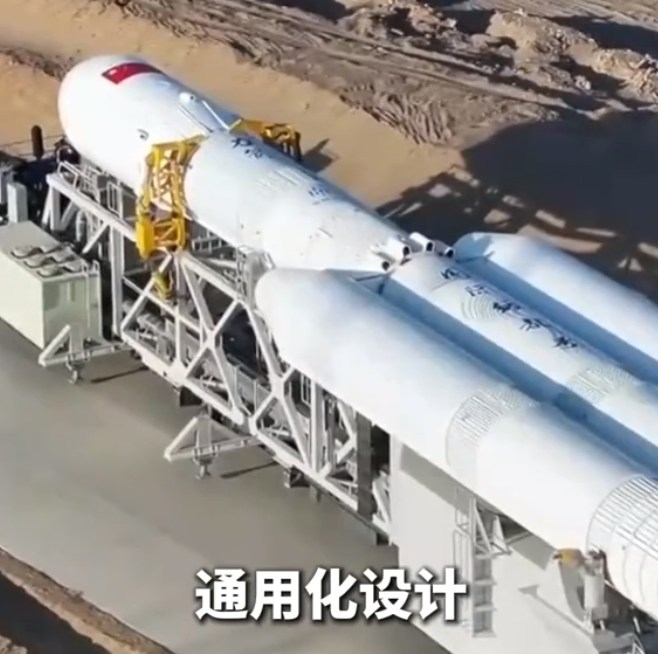
The payload matters as much as the rocket. Qianfan — "thousand sails" — is a multi-thousand-satellite constellation intended to compete with Starlink for orbital broadband, with early emphasis on Southeast Asia, the Middle East and other regions where ground infrastructure is thin. Each batch launch like this one is a visible step in that buildout, and each new rocket type able to carry 18 satellites at once shortens the schedule.
What the launch also illustrates is how far China's commercial space sector has moved beyond the state program. A decade ago, essentially all Chinese orbital launches flew on Long March rockets under the state system. Today CAS Space, LandSpace, Galactic Energy and others fly on commercial contracts, and constellations are bought from them in batches — a structure deliberately modeled, down to the terminology, on the American commercial-launch playbook.
The open question is reuse. Lijian-2 is expendable for now, and reaching the cost levels its designers invoke will eventually require either recovery or manufacturing scale that expendable rockets rarely achieve. The second flight proved the architecture works. The next several will show whether it can be flown often enough to matter.