Geely's New Family Car Runs on Methanol, Electricity or Petrol — Whichever Is Cheaper
Geely's Galaxy Xingyao 6 E-fuel launched at 76,800 yuan and can burn methanol, petrol, or run on battery — a third lane in China's car market after two decades of methanol research.
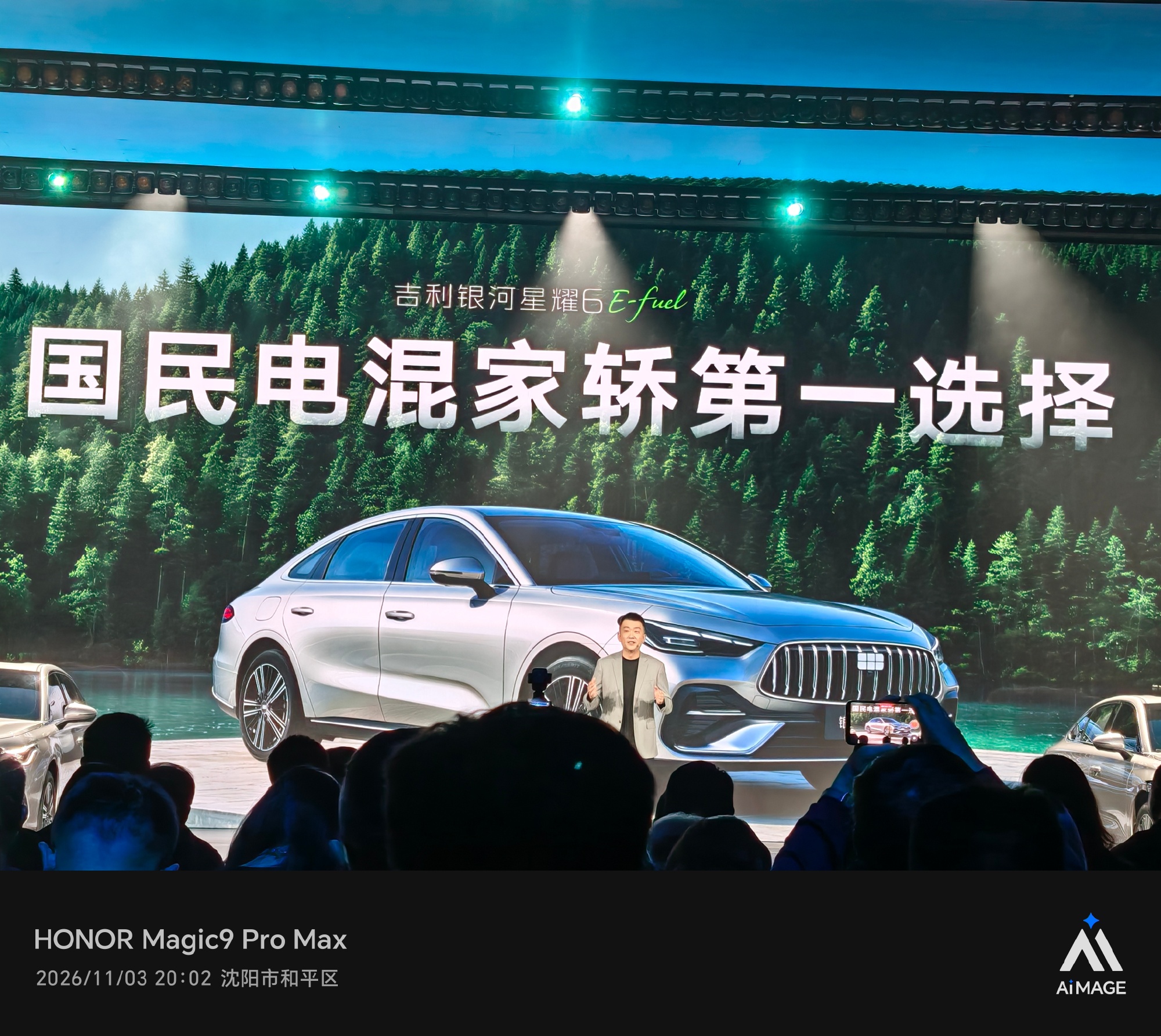
A new Chinese family car went on sale this week, and its fuel tank can hold methanol. The Galaxy Xingyao 6 E-fuel, from Geely's Galaxy brand, launched on November 3 at a promotional price of 76,800 yuan (about $10,800) and runs on any of three energy sources: electricity, methanol, or petrol — with methanol and petrol mixable through the same filler in any proportion. For a decade China's car market has sorted itself into a binary argument between petrol and battery-electric; this car is a bet that a third lane is opening.
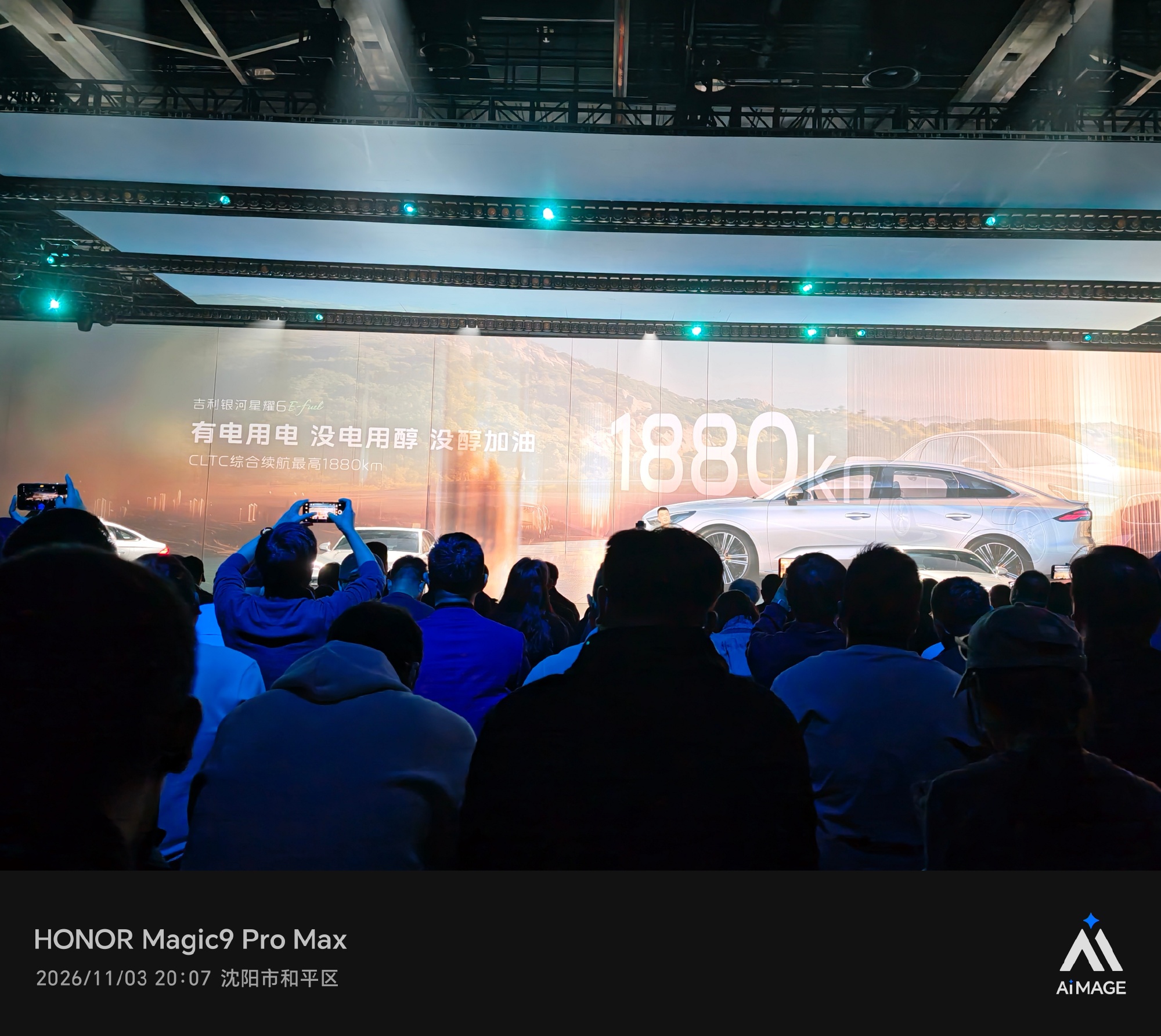
The specifications do the explaining. On electric power alone the car is rated for 230 kilometres, enough to cover most daily commuting on a home charger. Beyond that, a full tank and charge together are rated at up to 1,880 kilometres of combined range. Methanol consumption is listed at 6.7 litres per 100 kilometres, which Geely translates into a per-100-kilometre fuel cost of about 20 yuan — roughly a third of what petrol costs at current prices, and the figure the brand's launch posts are leaning on hardest.
The choice of fuel is not a whim. Geely has been developing methanol vehicles since 2005 and says it has invested more than 10 billion yuan in the technology, making it the only major automaker to have kept a methanol programme running through the years when battery-electric seemed to have settled the argument. Methanol is typically produced from coal — China's abundant fossil resource — or from biomass and even captured carbon dioxide, and burns cleaner than petrol. The engineering problem that historically kept methanol cars marginal, cold starting, has been addressed: the company says the new engine fires first time in temperatures approaching minus 40 degrees Celsius.
The commercial context explains the timing. Petrol prices have been rising this year, and hashtags like "methanol-electric hybrids start to spread as fuel prices rise" have been trending alongside the launch. Meanwhile China's electric-vehicle market has become brutally competitive — October's wholesale figures, released the same day, put BYD at 483,125 units and Tesla China down at 67,829, with prices being cut across the board. In that field, a mass-market sedan that promises petrol-station convenience with plug-in economy is a differentiated pitch.
The launch posts show the pitch landing, with a caveat. A widely shared review from a car blogger laid out the numbers approvingly and then named the catch: methanol filling stations exist only in a handful of provinces — Guizhou, Shanxi, Gansu and Shaanxi chief among them — where pilot programmes have built them out. "Being able to run on methanol and being able to conveniently fill up with methanol are two different things," the blogger wrote, advising buyers to check local infrastructure before committing. In those pilot regions, methanol sells at roughly half the price of petrol, which is what makes the running-cost claim real; elsewhere, the car is a very efficient petrol hybrid with a big battery.
For the international reader, the significance is less the car itself than the direction of travel. Western carmakers have largely framed the post-petrol future as a choice between battery-electric and hydrogen. China's largest private automaker is instead keeping a third option commercially alive at the mass-market price point, hedged against grid constraints, lithium prices and charging-deserts in smaller cities. If the Xingyao 6 E-fuel sells, expect the rest of the industry to take methanol seriously — and if it doesn't, Geely will still have spent two decades and 10 billion yuan learning what the market won't yet buy.