Twin Sisters Separated for 20 Years Found Each Other on Douyin
Two adopted women in Shenzhen discovered they were twin sisters after one's relative spotted the other's face on a short-video feed — and the informality of Chinese adoption channels means the internet sometimes does the matching no database can.
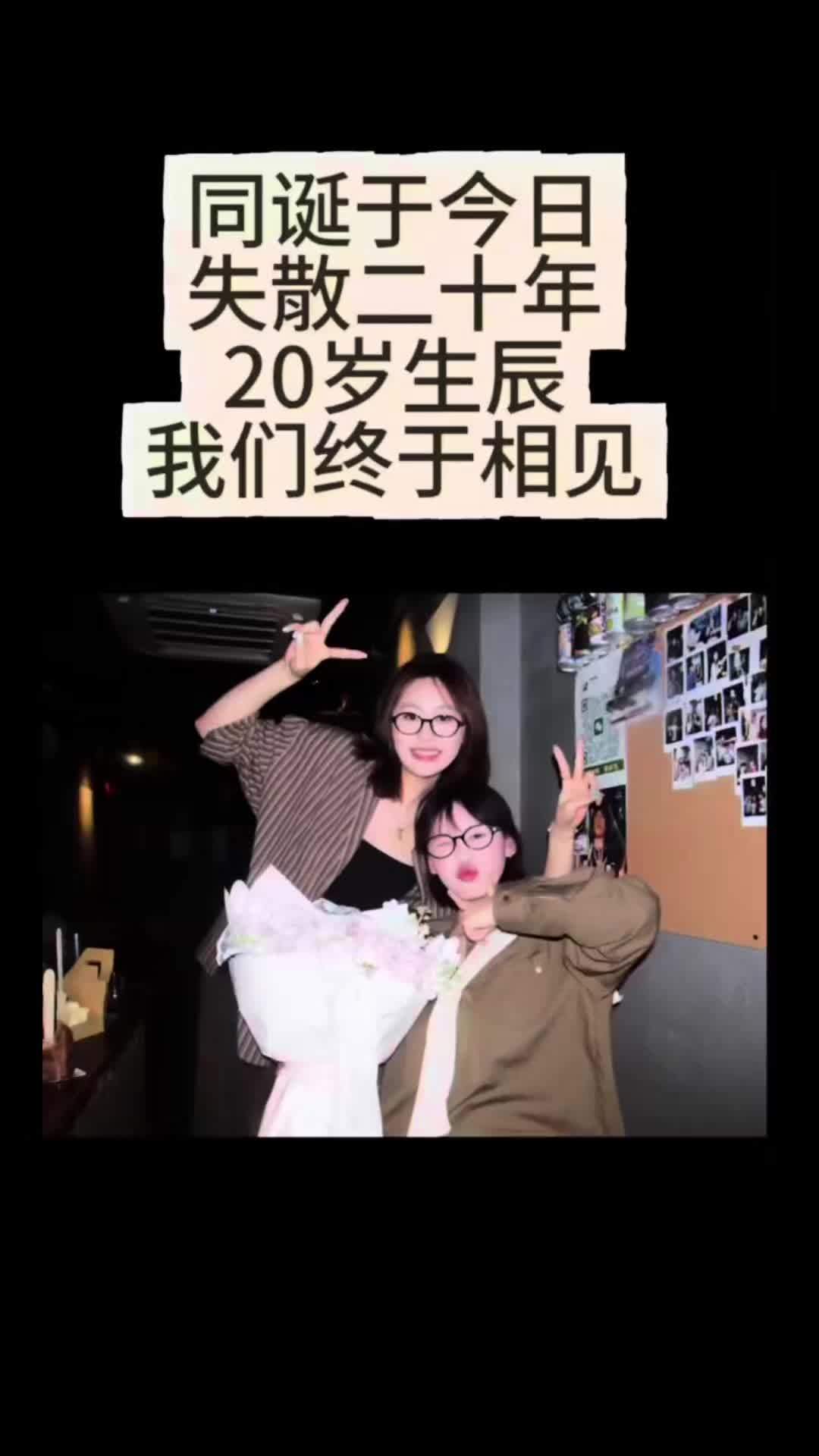
Two young women in Shenzhen were strangers to each other until one of them kept running into the other's face — on her phone. A friend scrolling Douyin, the Chinese short-video app, spotted a woman who looked exactly like her: same face, same height, same teeth, same shoulders. When the two finally compared notes, the coincidences stacked up fast. Both had moved from Sichuan to Shenzhen. Both had been adopted as children. And both, it turned out, shared the same birthday — the tell that settled it. They are twin sisters, separated for twenty years and reunited this month on the day they turned twenty, after a relative of one of them spotted the lookalike on the feed and sent the video along.
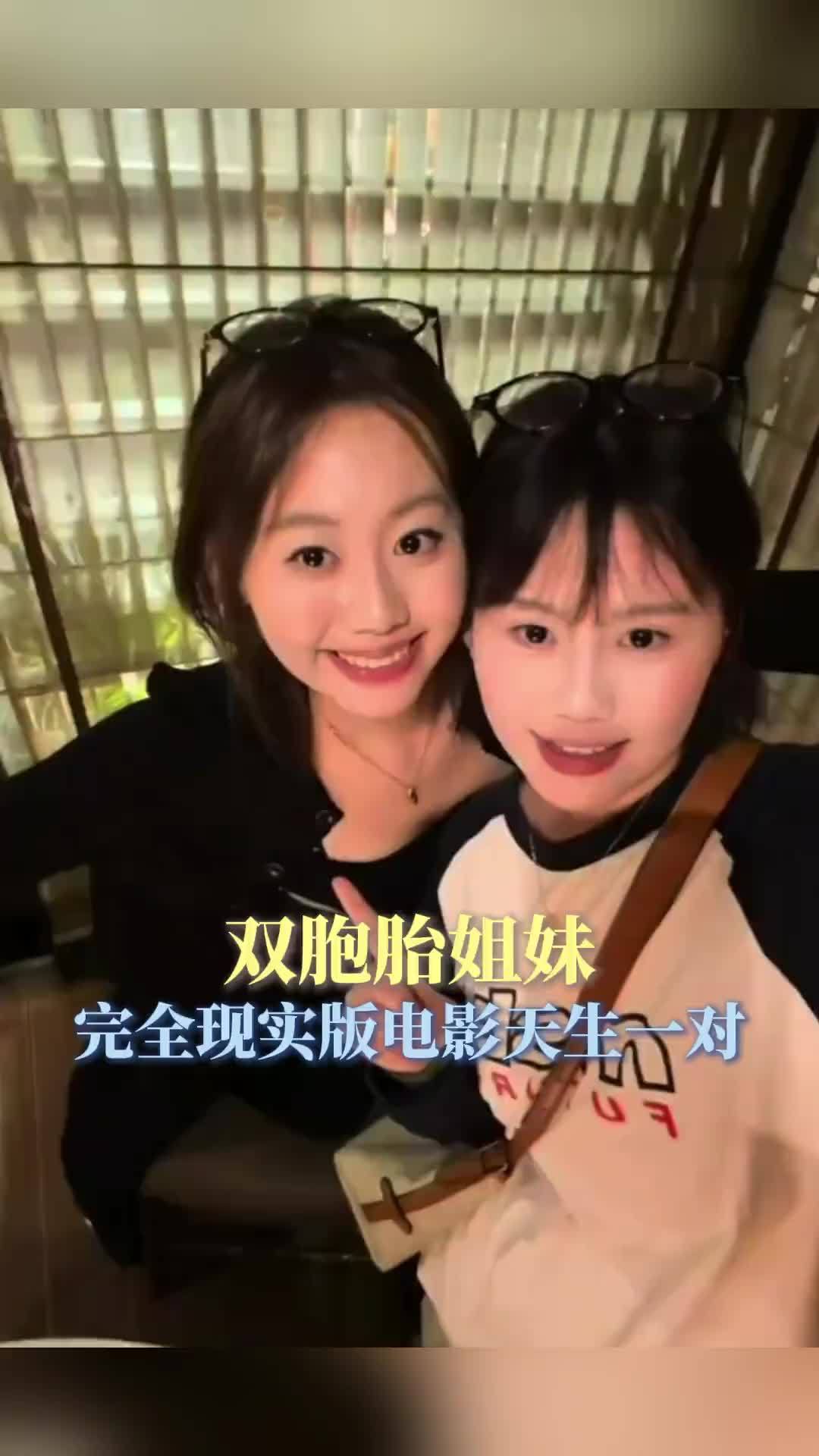
The story caught fire on Weibo under the hashtag "A girl scrolled onto another herself — and she was her twin." The most widely shared post, liked more than 7,800 times, laid out the uncanny checklist: the matching height and teeth, the parallel moves to the same city, the two adoption confessions, the birthday. "You could film a TV drama out of this," its author wrote. Another post noted that the pair match in voice and manner as well as looks — the kind of detail that, in China's long-running genre of reunion stories, is usually the proof that seals the account.
For readers outside China, two things make this more than a feel-good item. The first is the mechanism. Adoptions in China have long been handled through informal channels — relatives, intermediaries, word of mouth — and record-keeping has often been thin, which is one reason DNA-matching reunions between birth parents and adopted children have become a fixture of Chinese social media. This case ran in reverse: no database did the matching. A relative's thumb paused on a video, and twenty years of separation ended in a private message.
The second is the setting. Both sisters ended up in Shenzhen, the megacity built on migration from China's interior provinces, where Sichuanese arrivals are legion. That two women from the same birth family, adopted into different households in the same province, should independently make the same thousand-kilometre move is the sort of statistical fluke that keeps the story churning through comment sections — commenters have been calling it a real-life version of The Parent Trap, a comparison that has itself travelled across the platform.
The timing has added resonance. The reunion landed on the sisters' shared twentieth birthday, and the posts marking it have been read hundreds of thousands of times across Weibo and Douyin alike. In the comments under the most popular post, the tone is less about luck than about what people call 缘分 — the fated-ness of a connection — with a steady undertow of adoptees and birth parents sharing their own unresolved searches.
Whether the sisters' case leads anywhere institutionally is doubtful; it is a story about a algorithmic accident, not a policy change. But it lands in the middle of an ongoing national conversation about adoption records and family tracing, one that surfaces on Chinese social media every time a case like this does. The sisters, for their part, seem to have skipped the sociology. "Blood really is something," as the post that started it all put it — two strangers, one face, twenty years apart.