A Tsinghua Graduate Student Gave Birth in Her First Year: Her Adviser Backed Her, Strangers Did Not
A first-year master's student at Tsinghua who feared expulsion after becoming pregnant found support where she needed it — her adviser — while strangers online accused her of wasting a precious place at China's top university, reigniting an argument over who may be a student and a mother at once.
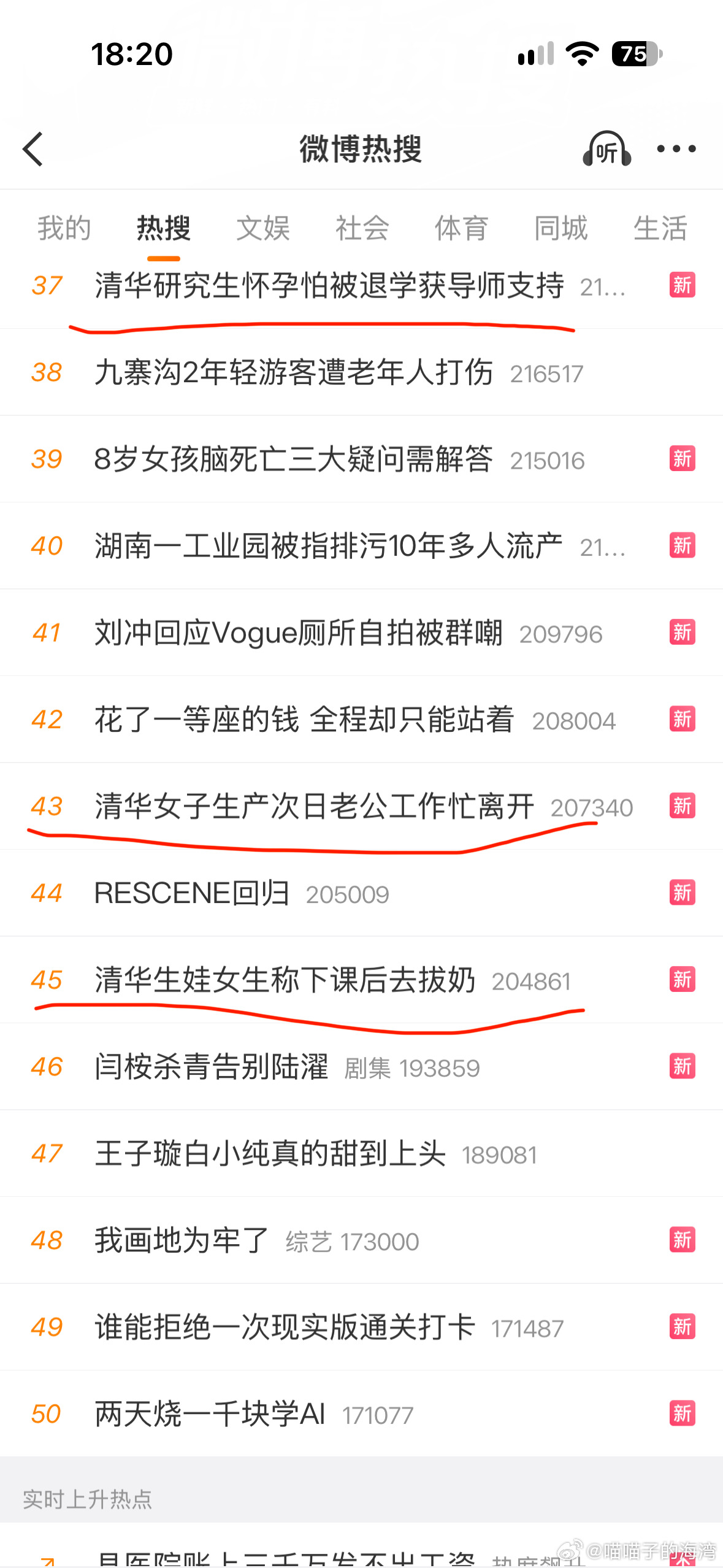
The student, born after 2000 and speaking to reporters under the online pseudonym Heye Mora, was in her first year of a master's program at Tsinghua University when she became pregnant. Her first fear, she told Xiaoxiang Morning Herald on Tuesday, was not the birth but the consequence: that pregnancy could cost her her place. Her adviser's response was the opposite of what she dreaded — patient support, and room to catch up on the first-year coursework her pregnancy had interrupted.
This week she was back on the hot-search board, not for the baby but for the pile-on. Strangers accused her of 占用教育资源 — "taking up educational resources" — of occupying, with a maternity, a seat a harder-working candidate deserved. Her answer, delivered flatly to the reporter: "I haven't done a single assignment less. I never pushed my tasks onto classmates. I tried to be considerate, so as not to create extra trouble for anyone."
The university's staff moved first against the abuse. Her counselor, China Blue News reported, called her unprompted after reading the comments and told her: "Just do your own work, and finish your studies well." She deletes the worst remarks rather than answering them, and says she is trying not to take them to heart.
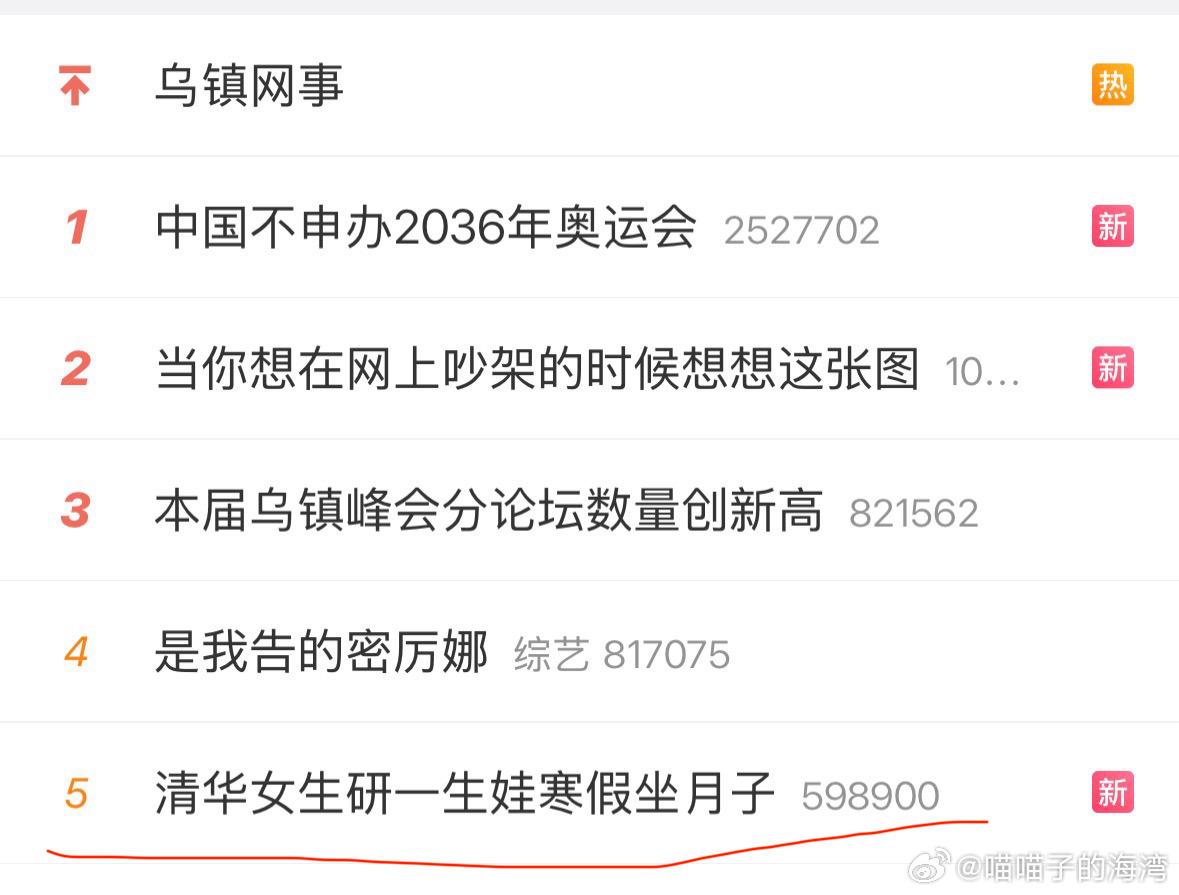
At one point on Tuesday, five separate trending tags about her charted at once: the birth over winter break; the postpartum confinement that followed it; her husband leaving for work the day after she delivered; her pumping milk between classes. One tag framed it all as "god-tier time management," in a tone that was not admiration. Her private schedule had become a public puzzle for strangers to assemble.
The accusation has a logic an outsider should understand. In China, a place at Tsinghua is treated as a scarce national good, won through examinations that millions grind toward for years; "taking up" one with anything other than study reads, to some, as a kind of theft. The counter-argument was put bluntly by one Weibo commentator: "Getting into Tsinghua and into a master's program was her own ability. Getting married and having a child is her own freedom. Are women at elite schools supposed to arrange their lives on someone else's timetable?"
The argument has policy echoes. Beijing wants more births — marriages rose ten percent last year after years of decline — yet a student who has a child fears expulsion, then gets pilloried for wasting her seat. The two messages, have more children and don't have them on our time, are arriving at once.
The institutional question settled itself early: the adviser backed her, and the university never moved. It is strangers, not Tsinghua, who are still litigating whether she belonged — and she, for now, is answering them by deleting their comments and finishing her degree.