The Yuan's Strongest Stretch in Years Has China's Central Bank Reaching for an Old Tool
The renminbi has climbed past 6.65 to the dollar this autumn, and on Monday the People's Bank of China raised the foreign-currency reserve requirement for the first time in nearly five years to slow the rally — the same day the country's tech-heavy stock boards kept sliding.
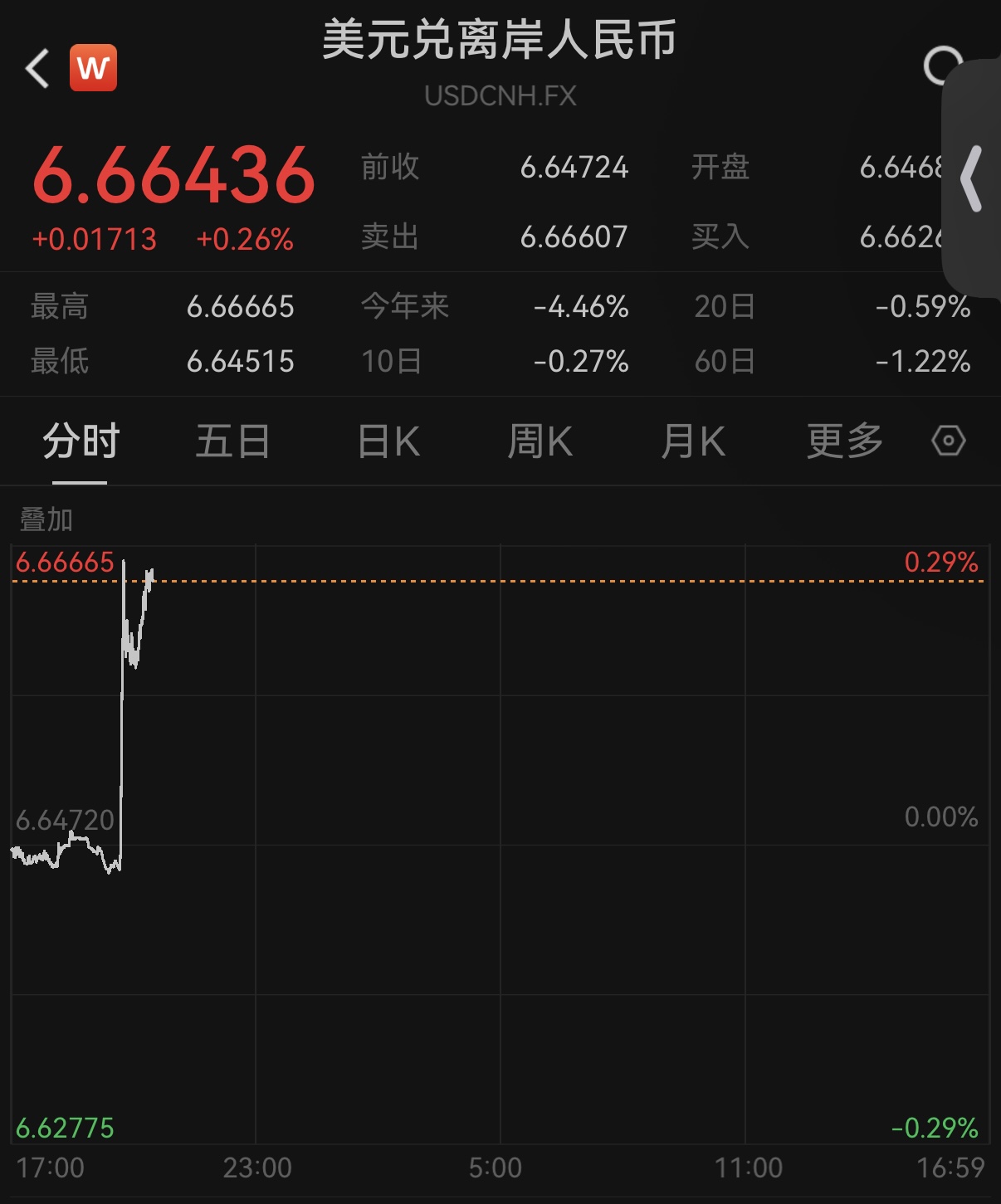
At 8:40 on Monday morning, the People's Bank of China posted a two-sentence announcement: from November 15, the foreign-currency deposit reserve requirement for financial institutions rises two percentage points, from 4% to 6%. The tool is blunt — it locks a larger share of banks' dollar deposits away from lending — and its message is the point. It was the first time the PBoC has raised the ratio since December 2021, and it came hours after the yuan traded stronger than 6.65 to the dollar, extending a year in which the currency has appreciated roughly 4% against the greenback in the first nine months alone.
The odd thing about a strong yuan is that China's central bank treats it as a problem. Exporters earn dollars that convert into fewer yuan; expectations of further appreciation invite one-way bets, the kind of "超调" — overshoot — that the central bank's own wording signalled it wanted to avoid. Within minutes of the announcement, the offshore yuan slipped back below 6.66, exactly the response the tool is calibrated to produce.
Why the currency is strong, and why that complicates policy
The appreciation has several parents: a widening US rate-cut path, China's still-large trade surplus, and inflows betting on Chinese assets. But it lands at an awkward moment for the economy. Domestic demand remains soft, and every notch of yuan strength makes exports — one of the few engines still pulling — less competitive. Economists quoted by Chinese financial media framed the hike as "balancing foreign-exchange supply and demand," a way of buying two-way volatility rather than defending a level.
The same day carried the other half of the macro picture. Tech-heavy boards kept sliding — the ChiNext index fell about 2%, with optical-module and semiconductor names among the worst hit — extending a bruising stretch for the AI-linked trade. That decline is the domestic face of a story the site has followed already: China's tech boards ended October down more than 23% as the AI trade unwound. Retail investors' frustration was immediate — "前两天我的科技基金每天跌四五个点……平均快亏50%了," one Weibo user wrote of a fund down almost half — but the deeper signal is that money has been leaving the very sector the policy agenda celebrates, even as officials in Wuzhen opened the year's World Internet Conference pledging support for it.
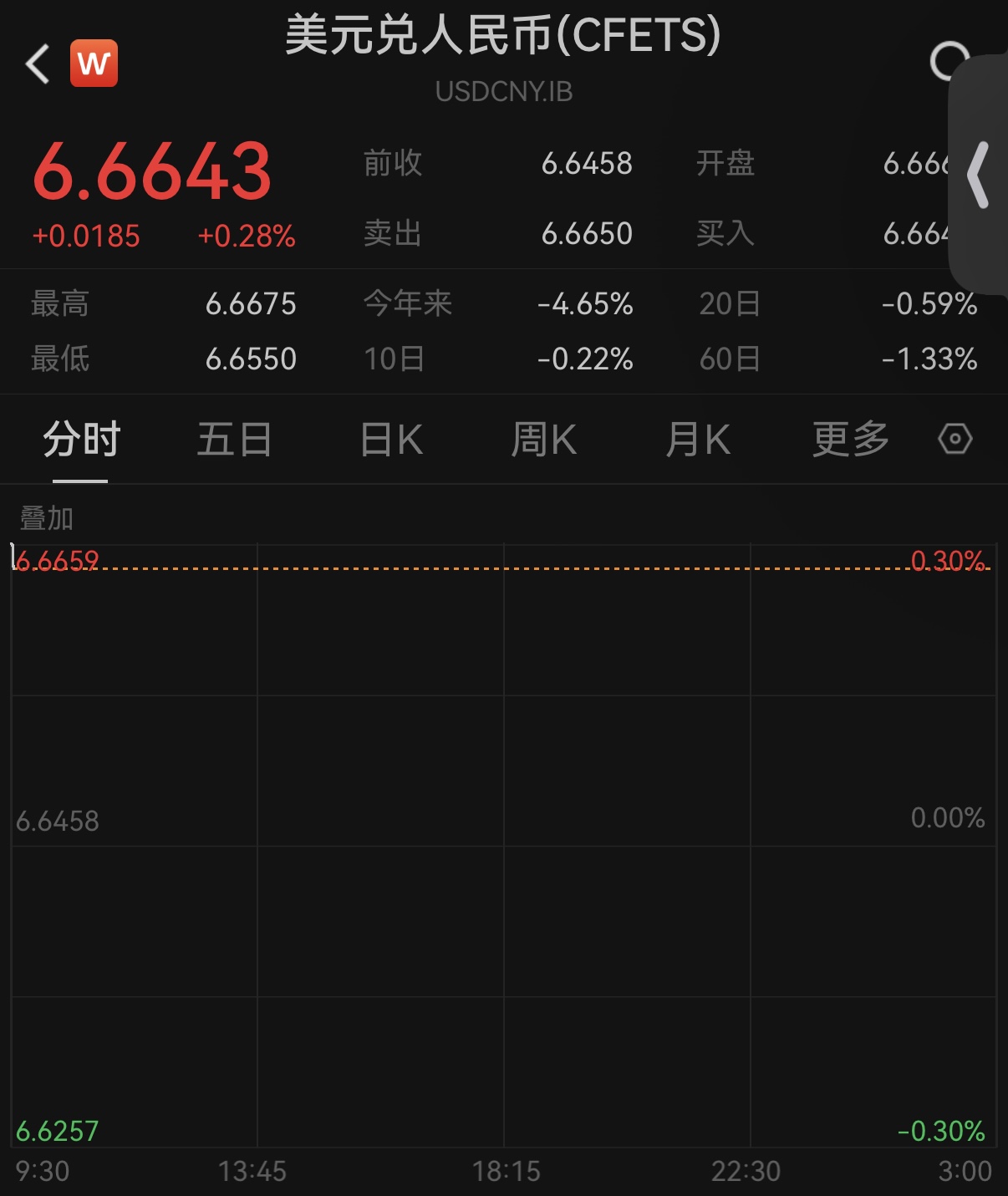
The reserve-ratio hike is a modest instrument — analysts note it tightens dollar liquidity onshore rather than reversing the trend — and the central bank has other levers if appreciation pressure persists, from counter-cyclical factors in the daily fixing to guidance through state banks. But the return to a tool unused for five years marks a turning point in tone: for most of the past three years the PBoC's currency concern was depreciation and capital outflow. Managing a yuan that is too strong, too fast is a different problem — and one that says as much about the dollar's direction as about China's.