A Concert in Hong Kong Cost a Family Its Welfare Benefits — and Opened a Debate About Who Deserves Them
A vocational-school student in Jiangxi used money she earned over the summer to see a show in Hong Kong; two months later, her family's minimum living allowance has been cancelled. The case has become a referendum on how China polices the poverty line — and on whether a little pleasure is a disqualifier.
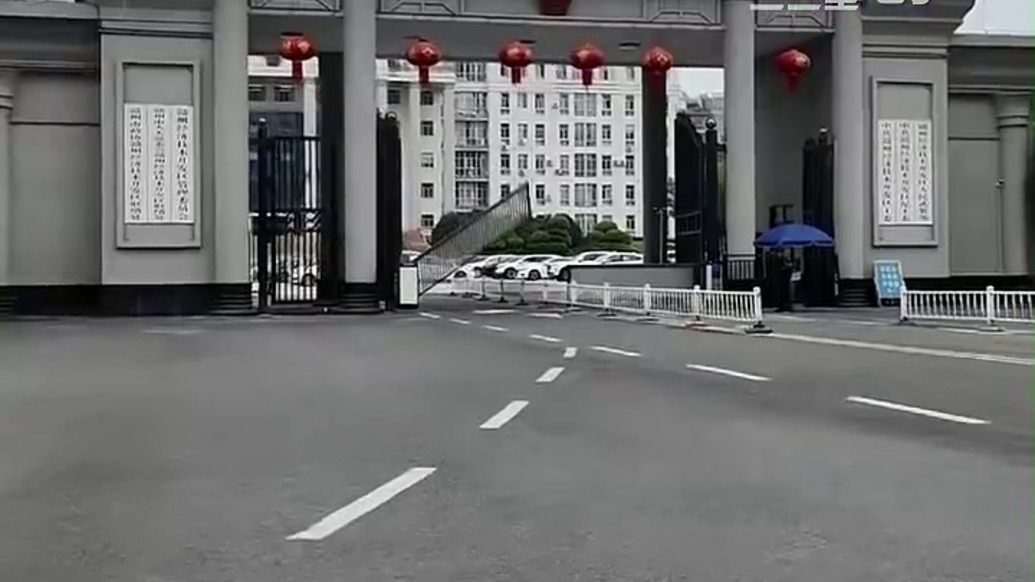
The trip that cost a family its benefits cost roughly 3,000 to 5,000 yuan. The girl, a vocational-school student in Ganzhou, Jiangxi, had saved from summer part-time work and set aside part of her own subsidies to fly south: to Hong Kong, for a concert. Her family lives on about 2,000 yuan a month in 低保 — the "minimum living guarantee," China's core means-tested welfare programme. Before she left, a cadre assigned to the family and her relatives warned her, more than once, that crossing the border on that kind of spending would trigger a review the family could not pass. She went anyway. On November 3, local staff confirmed the family's allowance has now been cancelled.
The story broke in September, when an account claiming to be the girl's cousin posted the details online: the family "天塌了" — "our sky has fallen," the post said. It was deleted within days, after reporters began calling, and the local authority moved fast: on September 7, the Ganzhou Economic Development Zone's social affairs bureau confirmed the trip was real and said the concert outing had triggered a "dynamic monitoring alert" for dibao recipients. What followed was two months of verification, and on November 3 the outcome: cancelled.
Why a concert cancels a benefit
The mechanism is designed to catch exactly this. Jiangxi's assessment rules for social-assistance households list self-funded outbound travel and entertainment as "high consumption" — a red flag that a household may not actually be poor. Dibao is assessed on the household as a unit: there is no "individual earns, individual spends" carve-out; every member's income and spending counts toward the same ledger.
To Chinese readers, none of this is exotic. What made the story a referendum was the sentiment: was a working student's concert a fraud, or a first flight? The cousin's post framed it as the second — a girl who worked a summer job to see a show, then saw her family's safety net pulled for it. The official account is the first: rules are rules, the alert was correct, and verification found the family did not meet the criteria. "低保是兜底保障,就应该留给真正需要帮助的人," one Weibo commenter wrote — the minimum living guarantee is a floor, and it should be reserved for those who genuinely need it. A Shanghai newspaper's editorial went further, arguing those crying injustice had made a logical error.
The argument underneath
Others read the case as a parable about how rigid the system is. One widely-read comment put it plainly: what everyone wants to know is what the verification actually found. "看演唱会只能证明触发了低保预警,证明不了一家人已经脱了贫" — a concert proves the alert was triggered, not that the family has escaped poverty. If the review found unreported income or assets, say so; if the disqualifying fact is a concert ticket, that is a different story.
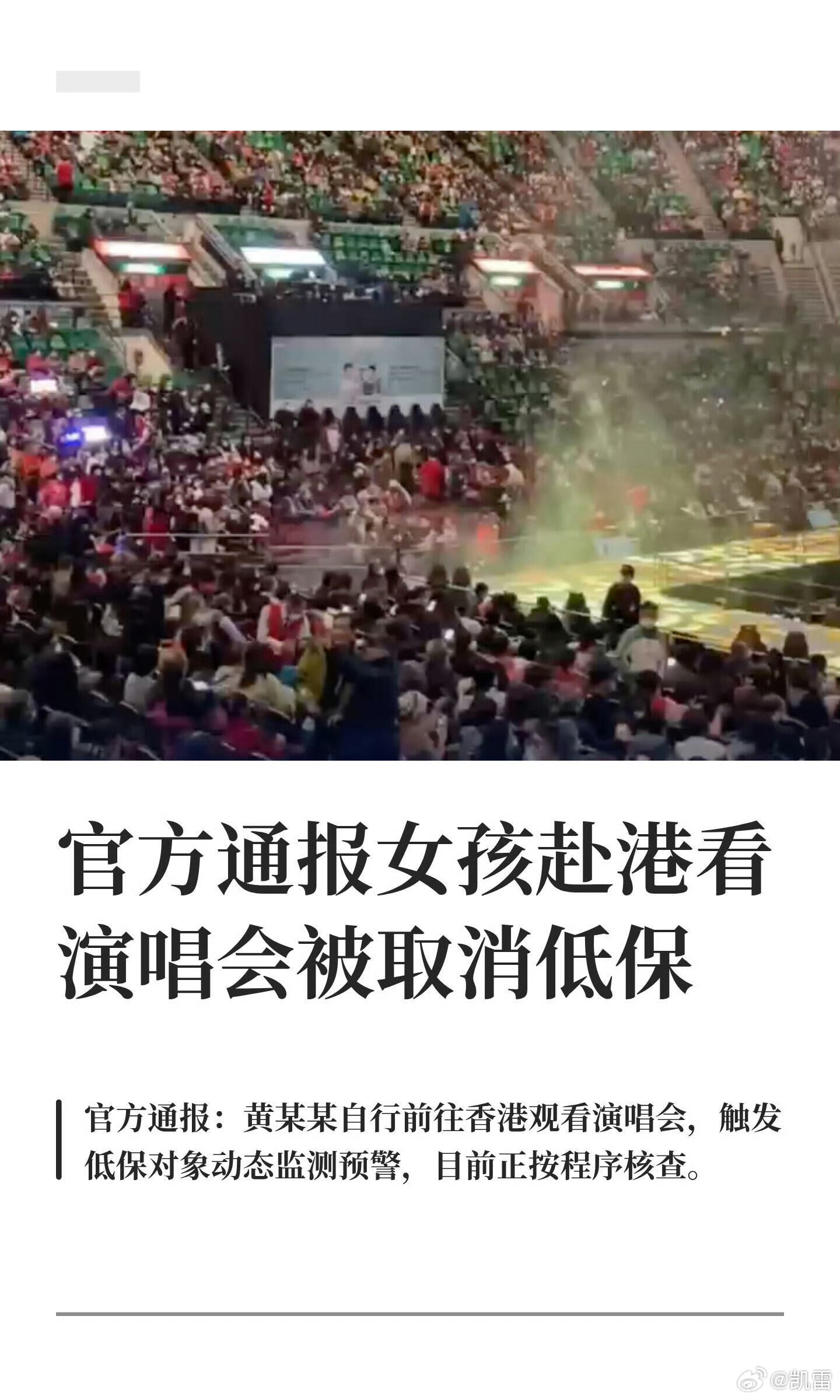
The case surfaced on several platforms at once — it is a top question on Zhihu's trending board, Baidu's hot list carries it, and The Paper has followed it from September to the cancellation — evidence that it has broken well out of the Weibo bubble. That is because it sits on a real argument: China's welfare system is designed to catch divergence between declared poverty and visible consumption, but the same monitoring that catches fraud also catches a teenager's one indulgence, and the system has no category for the difference. The rules that let a cadre warn her in advance also let the state watch what she did with her own summer earnings.
The official position, in the end, is procedural: the alert was proper, the review was lawful, and the family's entitlement ended when the criteria no longer held. What the record does not say — and what the debate keeps circling — is what, exactly, the review found.