255 Ads and a Fan-Funded Sendoff: How China's Biggest Costume Drama Cashed In Its Finale
The costume drama 'Jia Jin Chai' ended its run on Monday with three finale topics on Weibo's hot list, an ad slot in every episode, and fans who spent millions booking virtual seats. Its sendoff is a snapshot of how Chinese television now pays for itself.
The finale aired Monday night, and by Tuesday morning three of the day's twenty trending topics belonged to it. 嫁金钗 — "Marrying the Golden Hairpin," a costume drama adapted from a popular web novel, starring 田曦薇 and airing on CCTV-8 and Youku — closed its run with the kind of sendoff the Chinese industry now measures in money as much as tears.
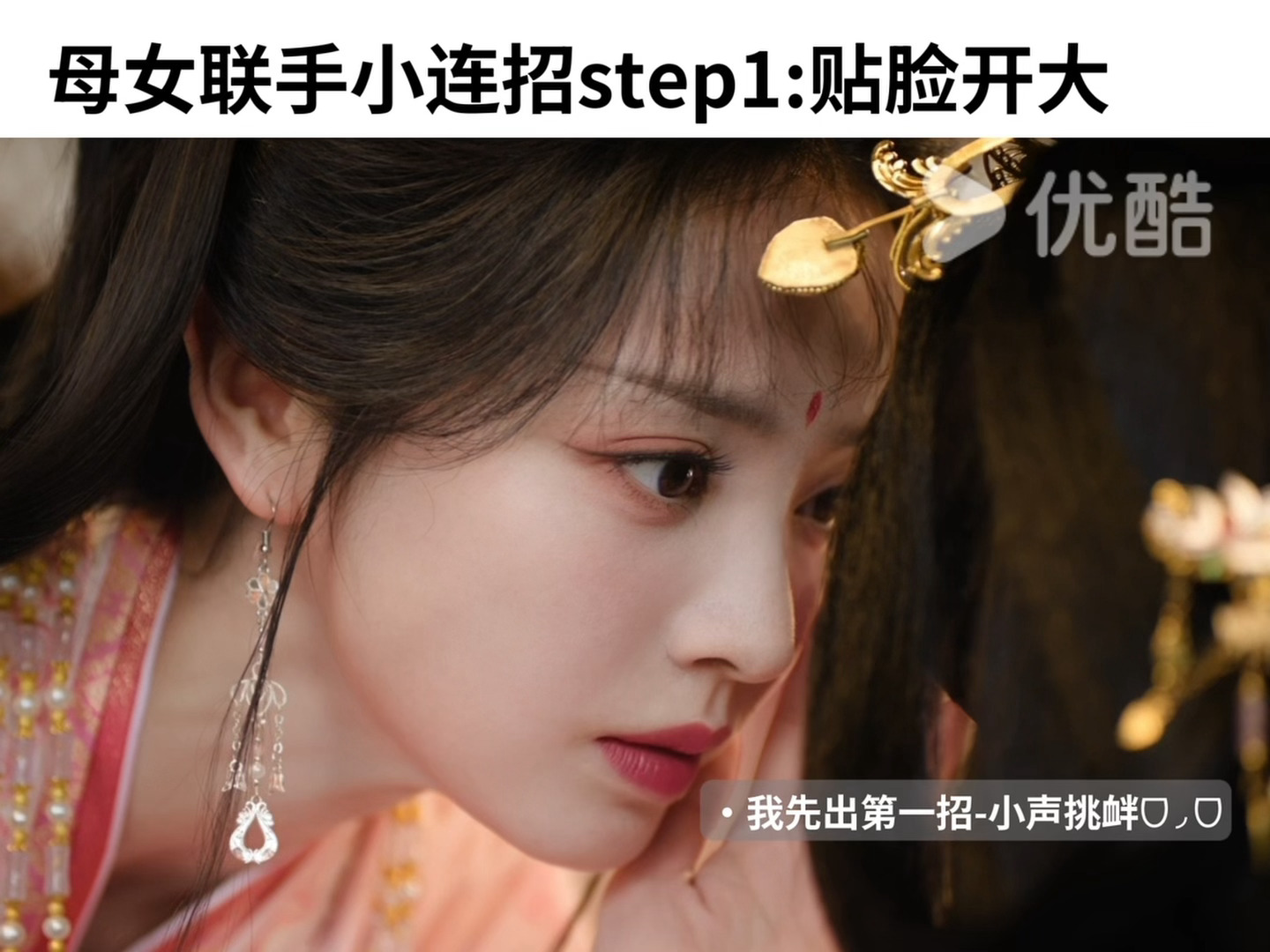
The ending itself gave viewers plenty to argue about. The heroine Wei Rao, a street girl swapped at birth who married into a duke's household as a substitute bride, finally exposes the sixteen-year-old swapping scheme and reconciles with the birth mother who once stood against her. The reconciliation scene is built around one line that escaped the show entirely: "什么传国玉玺,哪有我的明珠重要" — "Never mind the imperial seal; my pearl matters more." A last-act twist — a dying prince's concubine revealed to be pregnant — flips the succession crisis and lets the heroine settle her enemies before taking power as regent princess. Reception split along a familiar line: many viewers called the mother-daughter scene the emotional payoff of the whole run; others found the forgiveness unearned, with one widely-shared summary noting the harm was too heavy for one choice to dissolve.
Every episode sold
The more telling numbers sit outside the plot. Fan trackers celebrate that the drama finished 全集有广 — "full episodes with ads" — meaning every single episode carried brand sponsorship: 37 brands and 255 ad placements across the run, from milk powder to shampoo, logged scene by scene in spreadsheets fans compile and circulate. In China's drama market, where a hit's prestige is measured by how many brands bought in, that tally is the trophy; the lead actress is now routinely called 招商女王 — the "queen of sponsorships" — for her fourth consecutive fully-sponsored series.
The other engine is the fan economy. For the finale, supporters bought 332,000 virtual seats through Youku's "cloud booking" feature — crowdfunding-style purchases of streaming "seats" that function as advertising — worth roughly ten million yuan, the largest such campaign for any actress this year. The platform gets a guaranteed audience spike, the fan clubs get a scoreboard, and the drama gets its hot-list placement.
None of this is subtle to a Chinese audience, but the mechanism is worth spelling out for an outsider: a hit drama is funded three ways at once — brands pay for insertion, the platform counts memberships, and fandoms pay to amplify. The finale's trending topics are not organic mood alone; they are the visible output of a coordinated, quantified campaign, with fan accounts posting seat counts and ad tallies within hours of the credits. The lead actress's own finale-day livestream post drew more than 16,000 reposts, fusing the official marketing with the fan operation.
The open question the finale leaves is whether the model can keep scaling. Ad loads this dense test viewer patience, and the trackers who compile them are also the first to notice when a drama's ads outstrip its story. For now, the industry has its answer: 嫁金钗 ends as the year's benchmark for how much a costume drama can monetize — and its fans have already moved on to counting.