First Your Savings, Then Your Job: The AI-Bubble Line Haunting China's Retail Investors
A viral quip about the AI trade — believers lose their jobs, skeptics their savings, most people both, in that order — captured the mood as Chinese stocks slid again, while the country's most famous retail-investor pundit bought the dip in the morning and watched it sink by dusk.
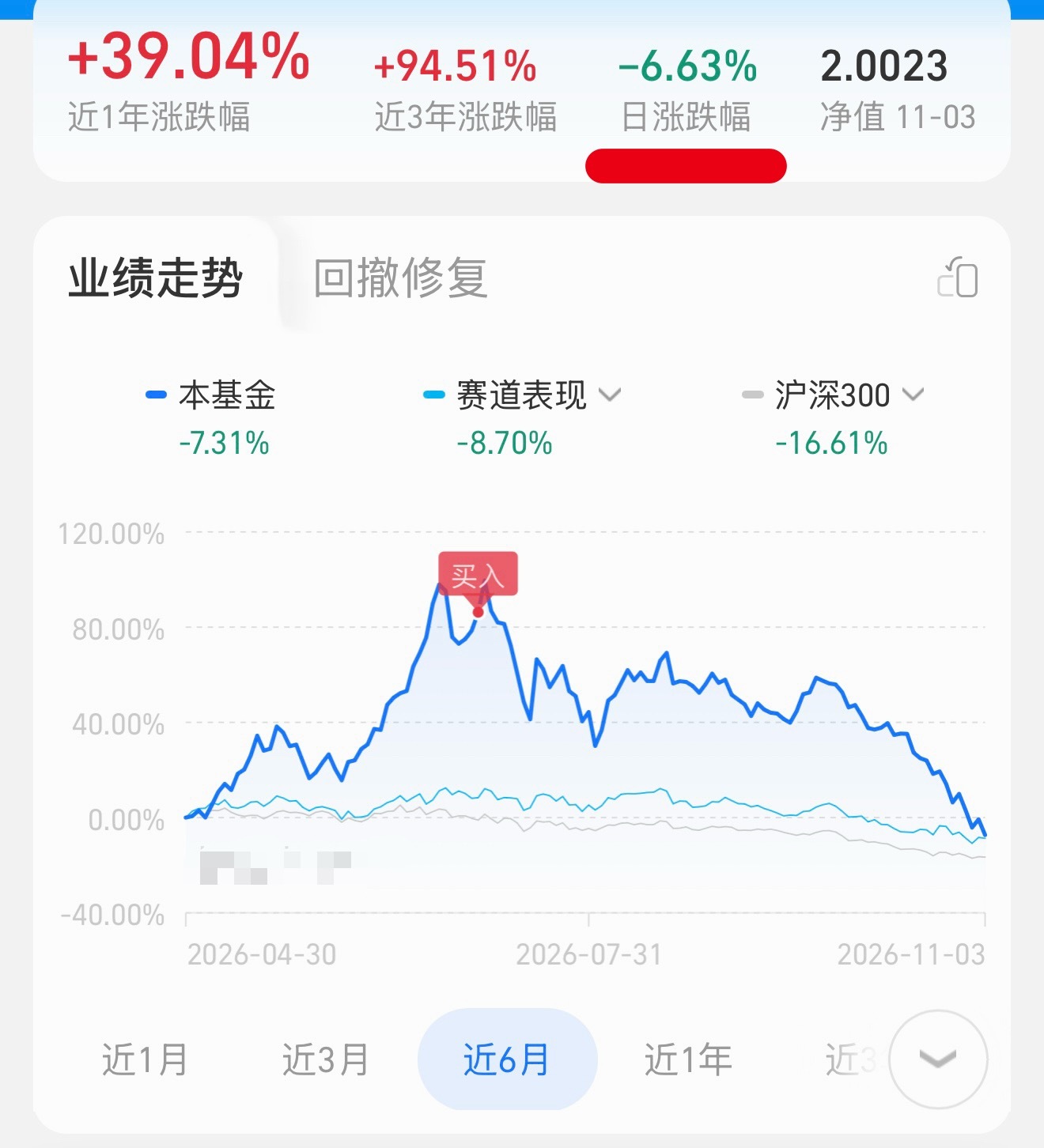
Chinese tech stocks slid again on Tuesday, a day after regulators rolled out their familiar stabilization playbook and a week after the AI trade delivered tech boards their worst month in years. The official line held steady; the screens did not.
Into the red close stepped the line of the week. "If AI is not a bubble, you will lose your job. If AI is a bubble, you will lose your savings. The most likely case: AI is presently a financial bubble wrapped around a technology still on an exponential curve — so you lose your savings first, and your job after." Hu Xijin, the former Global Times editor who has become China's most-watched retail investor, passed the quote along, and it earned its own trending tag: the AI bubble that takes your savings, then your job.
Hu laughed at it first — "hah, trying to scare us" — then answered in earnest. One urgent task of socialism today, he wrote, is to tame AI as it develops: to make sure it ends up the farm's ox and horse, not a tiger loose from the mountain. The joke was doing circulation duty for a real worry. Xiao Yuanqi, a senior Chinese banking regulator, warned this week that money pouring too fast into AI could crowd traditional industries out of financing, and Taiwan's Central News Agency, citing the Financial Times, reported that authorities have asked investment banks to postpone IPOs and large share sales to keep the market steady.
Hu's own trading day made the mood legible. In the morning he added a small position, just as official support arrived; by afternoon the market had sunk further. "I do hope this is the last darkness before dawn," he wrote.
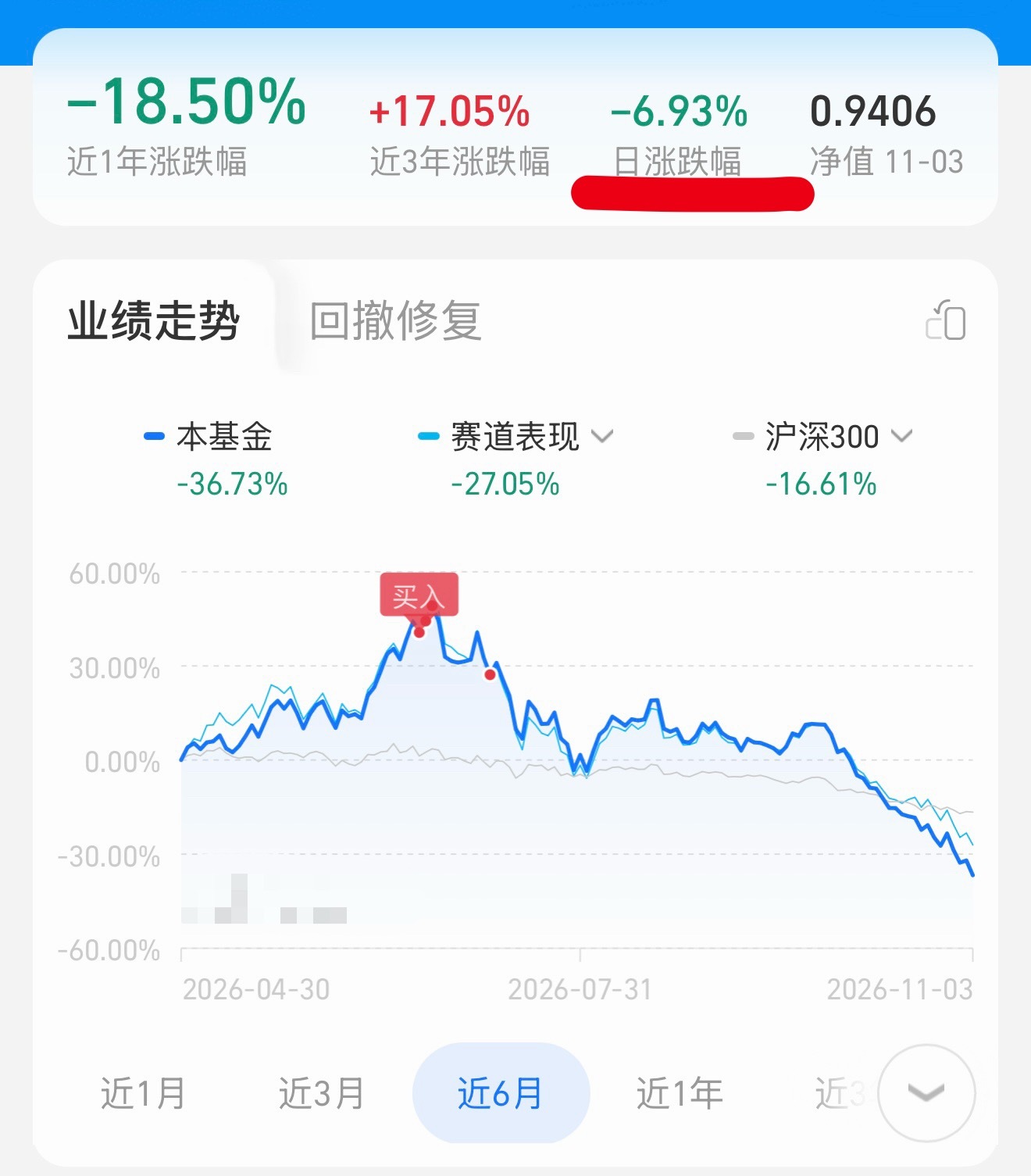
A Weibo doctor who tracks his own portfolio posted the day's damage — nearly every fund down six or seven percent — with the buy markers still visible near the top of the six-month charts, and confessed a gallows plan: "Go on and fall, if you dare. If it drops another 50 percent, I'll start bottom-fishing."
The quip earned trending tags on Weibo and Baidu alike — cross-platform traction that marks the moment the AI trade stopped being a portfolio choice and became a household worry.
Regulators are behaving as if the technology is real and the froth is the problem: throttling new supply, steadying buyers, talking up confidence. Whether that holds while the AI trade deflates is the question Hu's small, very public portfolio now answers every trading day.