China Regains Its Market-Stabilization Playbook: Regulators Call Monday Meetings as Tech Boards Limp Out of October
The People's Bank of China and the securities regulator summoned brokerages, fund firms and banks for November 2 meetings on expanding two stock-market support tools, after a month in which China's tech boards fell more than 23 percent.
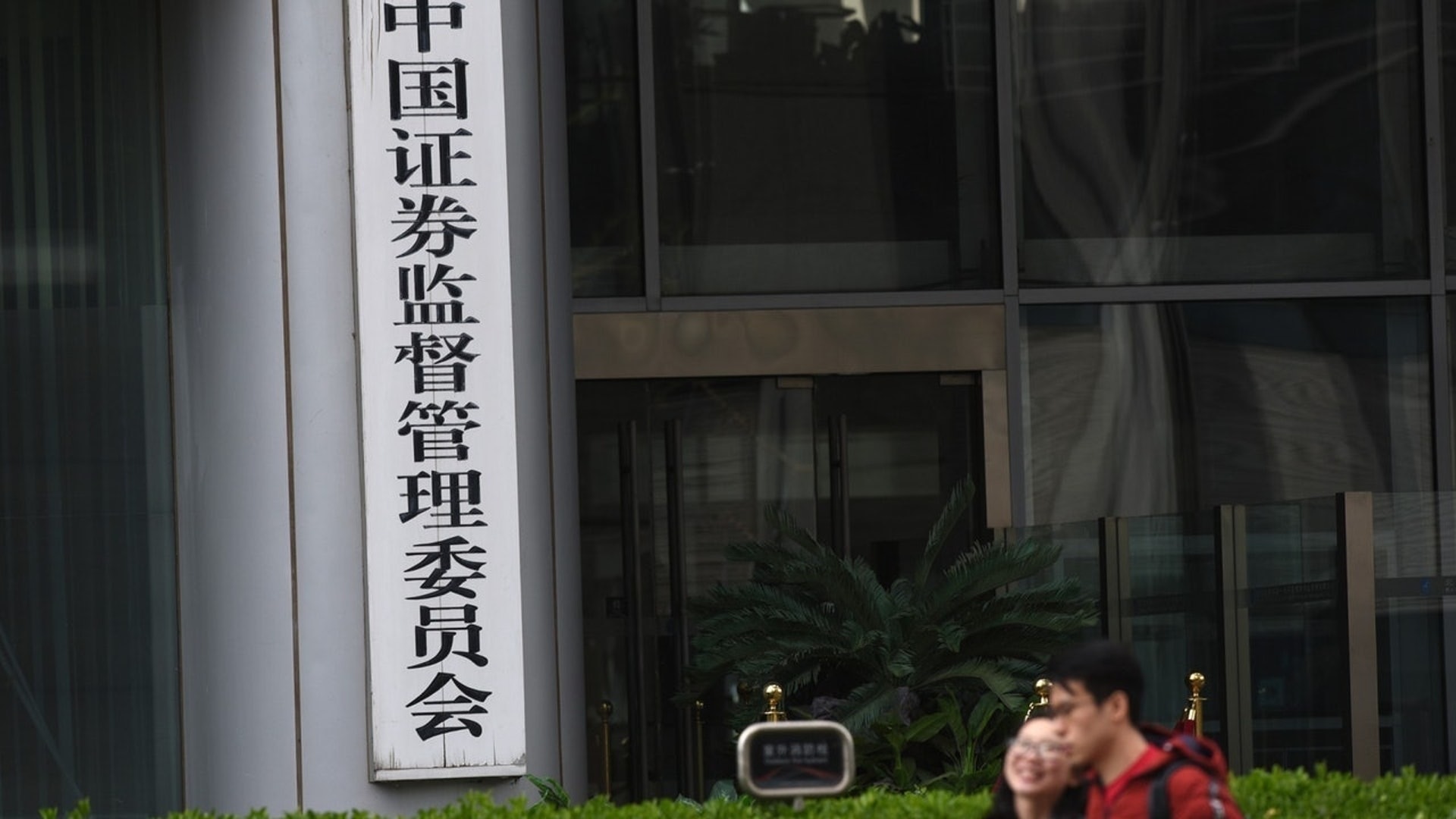
Chinese regulators have called brokers, fund managers and banks to meetings in Beijing on Monday to discuss expanding the country's stock-market support tools — a signal, arriving at the end of a brutal October for Chinese equities, that authorities are preparing to steady a wobbling market. Securities firms and fund companies received notices that the People's Bank of China and the China Securities Regulatory Commission would convene on November 2 to discuss "promoting the use of capital-market support tools" (Broker News China, via The Paper). The same day, the central bank, the banking regulator and the CSRC scheduled a separate session with commercial banks on optimizing the stock buyback relending program (an explainer is here).
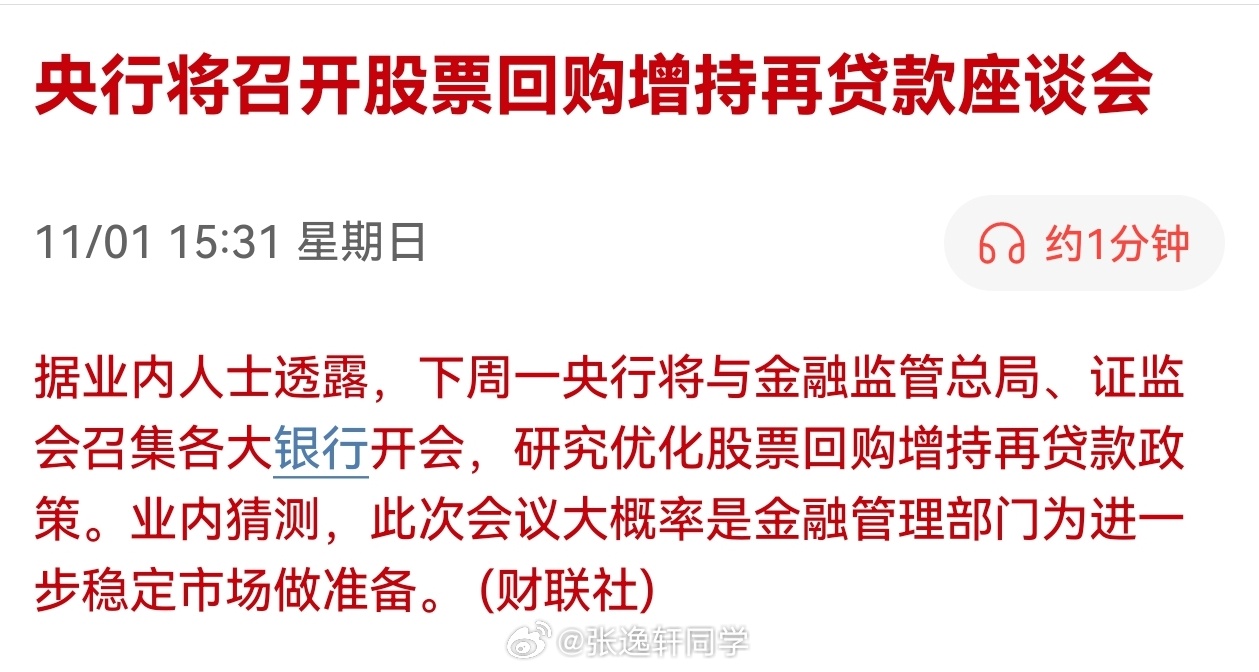
The two instruments under discussion date from October 2024, when policymakers unveiled them alongside a stimulus package that ignited a violent rally. The swap facility lets securities, fund and insurance firms pledge assets to the central bank in exchange for high-liquidity bonds they can sell or repo to fund share purchases; the relending tool gives banks cheap central-bank money to lend companies for buying back stock or for major shareholders to increase stakes. Both were used only sparingly in their first year. Now, with the Shanghai composite down 2.5 percent last week, the Shenzhen index down 7 percent and the ChiNext off more than 10 percent in a single week by the week's closing tallies, the phrase "expanding scope" (扩面) in the meeting notices is being read as a promise to widen both tools well beyond their pilot users.
The scale of the preparation is visible in the loan book of at least one state lender. A large state-owned bank plans to extend new buyback-and-increase credit lines of up to 100 billion yuan each to China Guoxin and China Chengtong, the two state investment platforms that act as buyers of last resort for Chinese equities (Yicai) — amounts that would exceed the initial lines the same bank extended when the tool was created in 2024. Meanwhile, buying has already accelerated from below: 714 Shanghai-listed companies disclosed repurchases, stake increases and other confidence-boosting announcements in October alone, with completed buybacks on the Shanghai exchange topping 32.6 billion yuan for the month (The Paper).
The meetings come as Chinese tech boards end October down more than 23 percent — the unwind of the AI-driven trade that dominated the summer. The odd thing, noted by several market commentators, is that the selling is not driven by deteriorating fundamentals: the 5,224 companies listed in Shanghai and Shenzhen earned a combined 5.1 trillion yuan in the first three quarters, an 8.5 percent increase and a four-year high (Yicai). What has soured is sentiment — and that is the gap the meetings are meant to close.
The story broke out of the Weibo bubble and ran across the Chinese-language internet, picked up in Hong Kong (HK01) and Taiwan (CNA). On Weibo itself, reaction was blunt. "Put less delicately: 'central mama' is stepping onto the field to rescue the market," one commentator wrote, invoking the nickname traders give the People's Bank of China — a post liked more than 1,300 times (his post). He recalled the September 2024 package that launched the last great rally, and worried aloud that this time the mood among leveraged retail investors is far more fragile. Another simply posted the meeting notice and let the screenshot do the talking (it is here).
Whether Monday's sessions produce anything more than reassurance is the open question. The tools exist; what has been missing, in the market's own reading, is conviction at sufficient scale. A central bank committing hundred-billion-yuan lines to state buying platforms is a bid to supply exactly that.