China's Fifth Plenum Decision, in Full: Hidden Crypto, 'Iron-Cap Princes,' and a Rule That Leaders Speak Last
Two days after the Fifth Plenum closed, the party published the full text of its discipline decision — naming the places corruption now hides, from virtual currency to 'white gloves,' and ordering the head of any organization to speak last in meetings.
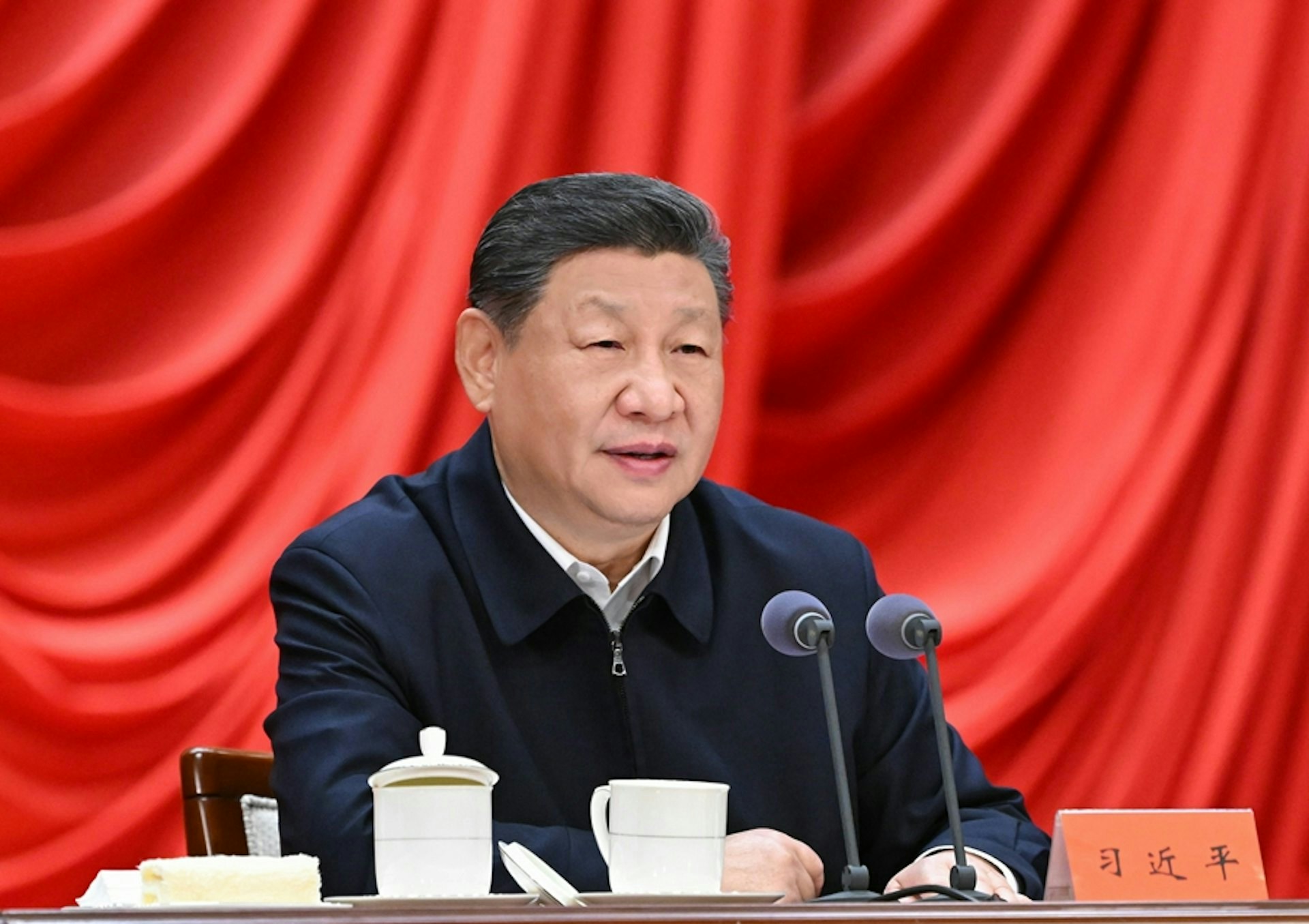
The full text arrived on Saturday evening: Xinhua's authorized release of the "Decision of the CPC Central Committee on Persistently Advancing the Comprehensive and Strict Governance of the Party," adopted on October 29 as the Fifth Plenary Session of the 20th Central Committee wound up and published in full on November 1 (the release on Weibo). The session's closing communiqué, covered here when the plenum ended, summarized the direction and confirmed 33 expulsions from the party (the site's tally is here) — among them Zhang Youxia, a former vice-chairman of the Central Military Commission. The decision is the document the communiqué was compressing: a text running to some 17,000 characters that now sets the party's discipline agenda for the years ahead.
It is an internal document, written for a party of some 100 million members rather than for the public. Eight sections run from overall requirements through cadre management, conduct and discipline to supervision and accountability, all under the banner of "self-revolution" (自我革命) — the party's term for turning its inspection apparatus on itself, periodically and by design. The premise it defends is stated up front: the "two establishments" (两个确立), the formulations that bind the party to Xi Jinping's position at its core.
The passages drawing the most attention name where corruption now hides. The decision lists the forms: "hidden and disguised corruption," "white gloves" who hold assets for officials, deals routed through virtual currency, cross-border fund flows and blockchain. Bribe-givers are to be punished as relentlessly as bribe-takers; "big data" tools are endorsed for watching how power is used; and the campaign's signature promise returns at full volume — no "iron-cap princes" (铁帽子王), the Qing-era term for nobles standing above the law, no matter how high an official sits. Three verbs carry the theory: officials must be made unable to dare corruption, unable to manage it and, eventually, unwilling to want it (不敢腐、不能腐、不想腐).
The clauses getting the sharpest commentary govern how organizations are run. The decision instructs that in any meeting the top leader (一把手) speaks last, so subordinates can disagree before the outcome is settled; it warns officials against treating a jurisdiction as personal property and demands supervision that reaches the top leader himself, while committing to protect members who speak honestly. Commentators outside the mainland read the "inner-party democracy" (党内民主) passages as the text's most contested ground: Taiwan's Central News Agency reported scholars describing them as a veiled critique of the concentration of authority in a single leader (its report is here), and Deutsche Welle's Chinese service posed the blunter version of the same question — why, after 33 expulsions, accountability has yet to reach the very top (its essay is here).
Implementation moved faster than the commentary. A single-volume edition of the decision was in print by Saturday (reported here), party bodies began taking it up as study material, and the clauses took effect the moment the plenum adopted them. What the text does not settle is the question every discipline campaign eventually meets — whether a rulebook that binds everyone down to the township can also bind the summit it serves. The decision's own answer, supervision "without exception and without blank spots," is now official position; the inspection cycle that follows is where it will be tested.