Adults Cannot Clear H. pylori on Their Own, Chinese Doctors Say — and Half the Country Carries It
After a singer's death from stomach cancer, China's health establishment is pushing back against a widespread belief that the bacteria behind it can be outwaited — no adult clears Helicobacter pylori without treatment.
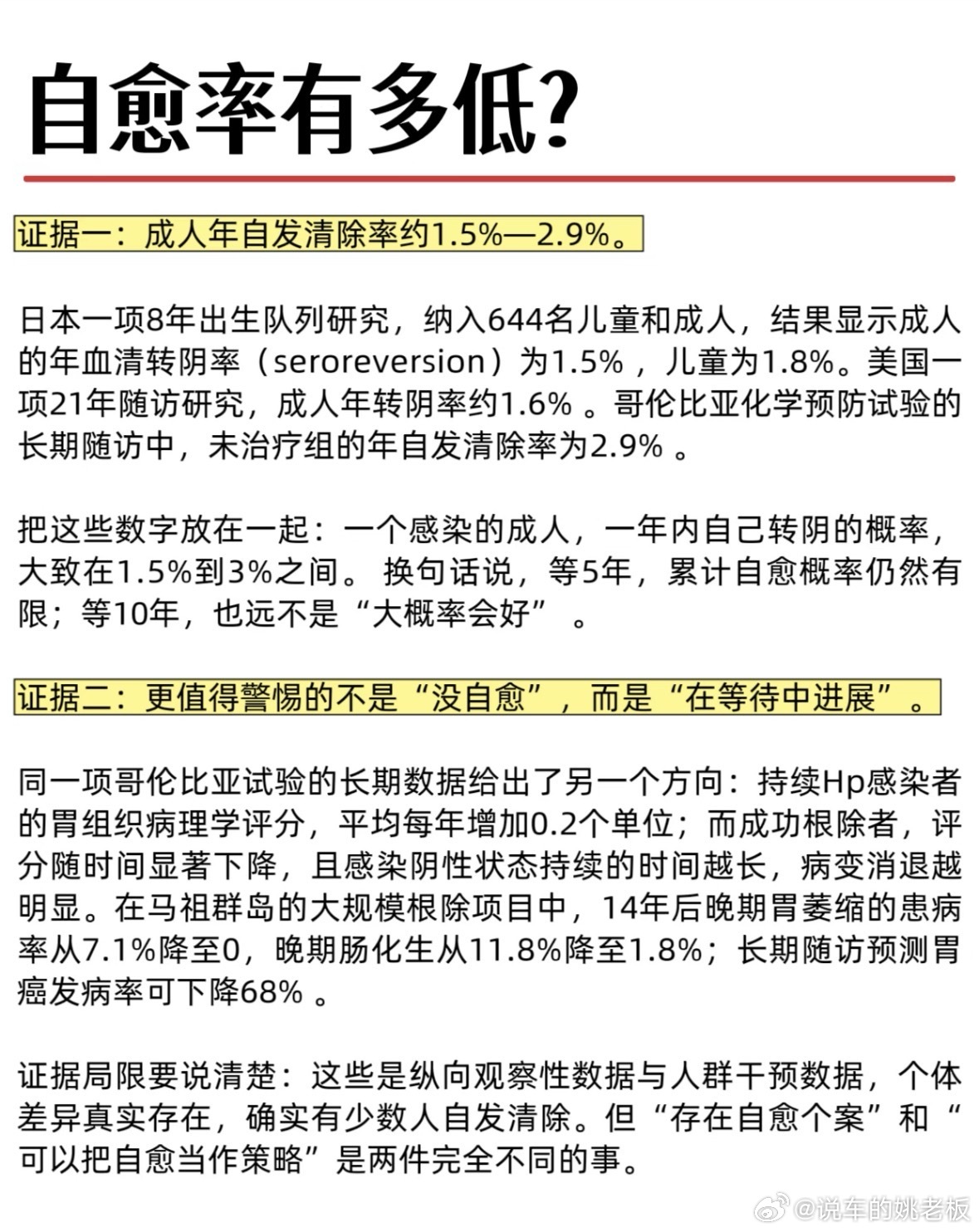
The claim being dismantled on Chinese social media this week is a comforting one: that a stomach bacterium, if left alone, will eventually go away. Not so, the state broadcaster's health channel and a roster of physicians insisted in posts that charted on Weibo under the banner "adults infected with H. pylori find it very hard to self-heal." Helicobacter pylori is stubborn by design — it neutralizes the acid around itself and hides in the stomach's mucus layer, where the immune system cannot finish it off. In adults, doctors say, untreated infection can persist for decades.
The timing is not coincidental. Within days of the death of the gufeng singer Wuen at 41 from gastric cancer — a death that became a national lesson in the cancer that hides — the country's health communicators are campaigning on the organism most strongly associated with it, in a country where an estimated half of the population carries it.
H. pylori is the strongest known risk factor for stomach cancer, and China has among the world's highest incidence of the disease. The bacterium usually causes nothing a carrier can feel; the path from quiet colonization to cancer runs through years of chronic inflammation that can progress to atrophic gastritis and intestinal metaplasia. "No stomach pain, no acid reflux does not mean the stomach is fine," a physician-blogger wrote in a widely shared explainer, warning that by the time symptoms appear, the earliest window for detection may already be closed.
The nuance that carries the public-health message is age. Children and adolescents with light infections sometimes clear the bacterium as they grow, doctors said — one reason the self-healing belief persists. In adults the numbers are unforgiving: studies cited in the posts put the annual spontaneous clearance rate at roughly 1.5 to 2.9 percent, which is not a plan. The guidance is the opposite of waiting: test, and if positive, take the fourteen-day four-drug regimen, which eradicates the infection in roughly 90 to 95 percent of cases, then confirm with a breath test a month later. Self-medicating and stopping early are the failure modes physicians warn about most.
A new post from People's Daily's health client listed eight categories of people who should be tested at least once — those with recurring stomach complaints, a family history of gastric cancer, long-term users of painkillers or anticoagulants, unexplained anemia, and household members of someone who tests positive — and added the sharpest line in the whole campaign: for most adults, treatment is recommended even when there are no symptoms at all.
Whether that lands is the open question. In China, the bacterium spreads mainly within families sharing meals from common dishes, which makes each positive test a household conversation — and, increasingly, a reason the whole family gets tested together.