A Woman Paid 200,000 Yuan to Fix Her Face. The Clinics Ran Off With the Money.
A Shenzhen woman who had growth-factor injections at beauty clinics developed a progressively deforming facial condition, spent 200,000 yuan on failed fixes, and found both the middleman and the clinics gone — a case that shows why 'growth factor' injections keep injuring Chinese patients.
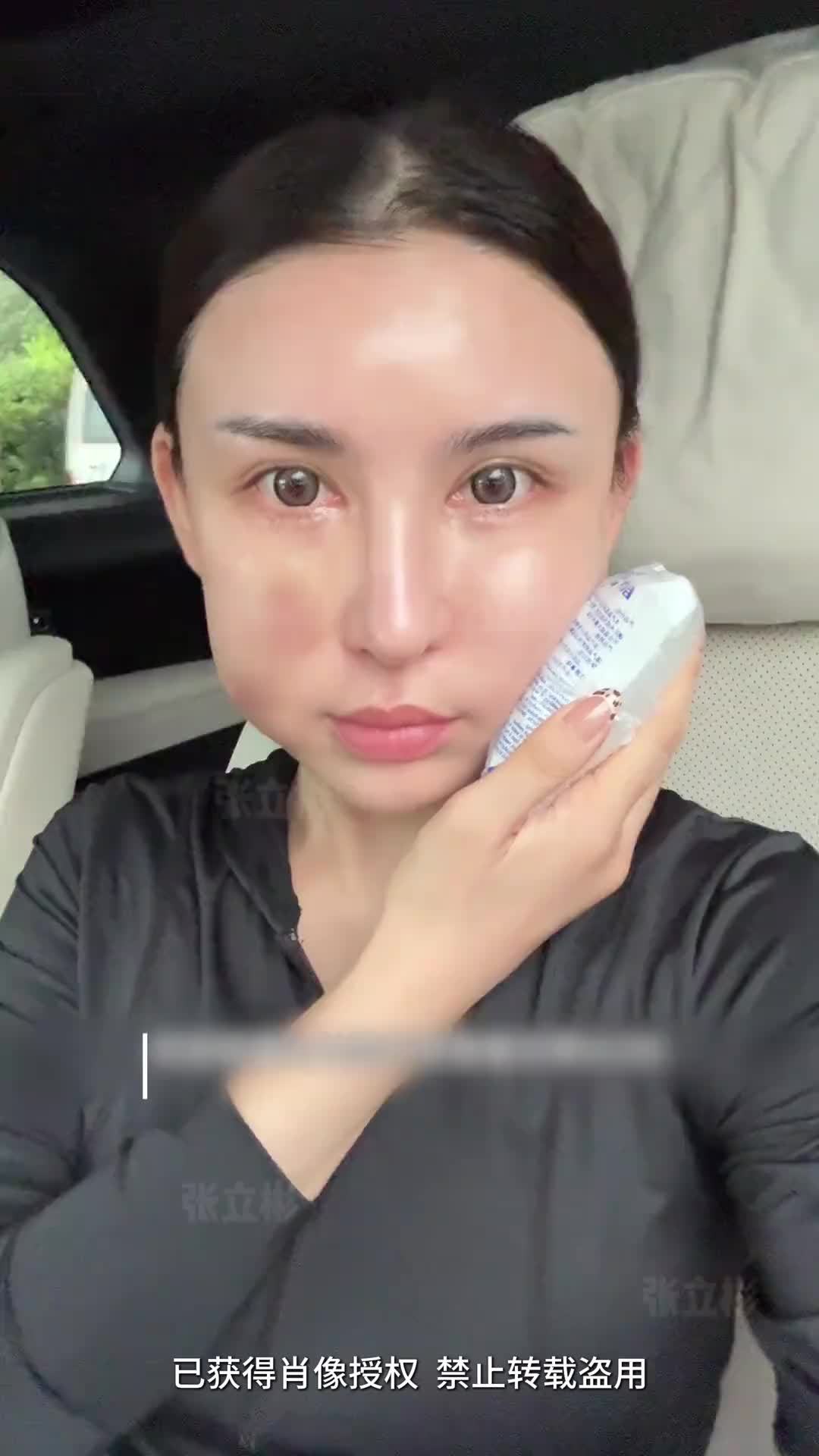
The woman, surnamed Xiao, wanted to look better. What she got instead was two years of surgeries, six rounds of a 'fix' that kept wearing off, a face she describes as deformed, two clinics that vanished with her money, and an antidepressant prescription. Qilu Evening News told her story on Saturday, and it moved fast: a post liked nearly 3,700 times within a day.
Her starting point was a substance Chinese regulators never approved for injection: 'growth factor.' As one Weibo commenter put it bluntly, growth factors are meant for wound healing on the surface of the skin; once injected into tissue, 'it's like a handful of sand poured into salt — it can't be dissolved and it can't be picked out' (生长因子打进肉里,就像是一把沙子洒进盐里), and it keeps spreading through the body on its own.
Xiao received what she was told were one hundred sets of growth-factor injections in a single year. In early 2023 her face began to swell and 'grow' uncontrollably — the word netizens use for the result is manhua, literally 'steamed-bun face,' a slang term for faces puffed into unnatural roundness. A liposuction repair in Shanghai cost her more than 30,000 yuan and made things worse. Six rounds of a 'light-thin needle' treatment in Shenzhen, each costing money she did not have, worked for a month or two and then wore off. Across two institutions in Shenzhen she spent 170,000 yuan — and was left with a bill for services she never consumed, the middleman who sold her the package having blocked her, and the clinics having closed and gone.
What is striking is not that the injections happened — but that she is not alone. Just a few days ago, a 39-year-old executive died after a cardiac arrest during anesthetic for cosmetic surgery at a private clinic, a case that drew a national conversation about who is accountable when beauty clinics go wrong. China's medical-beauty industry is enormous and underregulated: 'life-beauty' salons with no medical license inject unapproved substances through 'medical aesthetics brokers' — tuike — who sell packages and vanish. Regulators have repeatedly listed growth factors as a banned injectable, but enforcement on the ground is thin, and the patients who are harmed have little recourse: suing requires money, time and evidence against entities that can dissolve overnight.
Xiao says she is preparing to sue. Whether the courts can reach the vanished clinics — or whether she, like so many before her, ends up holding the bill and the deformity — is the open question this case leaves. Meanwhile, she said, she has not worked or socialized in two years. She takes medication for the anxiety and depression every day.