Paralyzed by ALS, a Former JD Executive Wants a Brain Implant So He Can Hug His Son
Cai Lei, the former JD.com vice president who has lived with ALS for six years and now communicates through an eye tracker, says he hopes a brain-computer interface will one day let him command a robotic arm to embrace his son — a wish that is edging toward clinical reality in China.
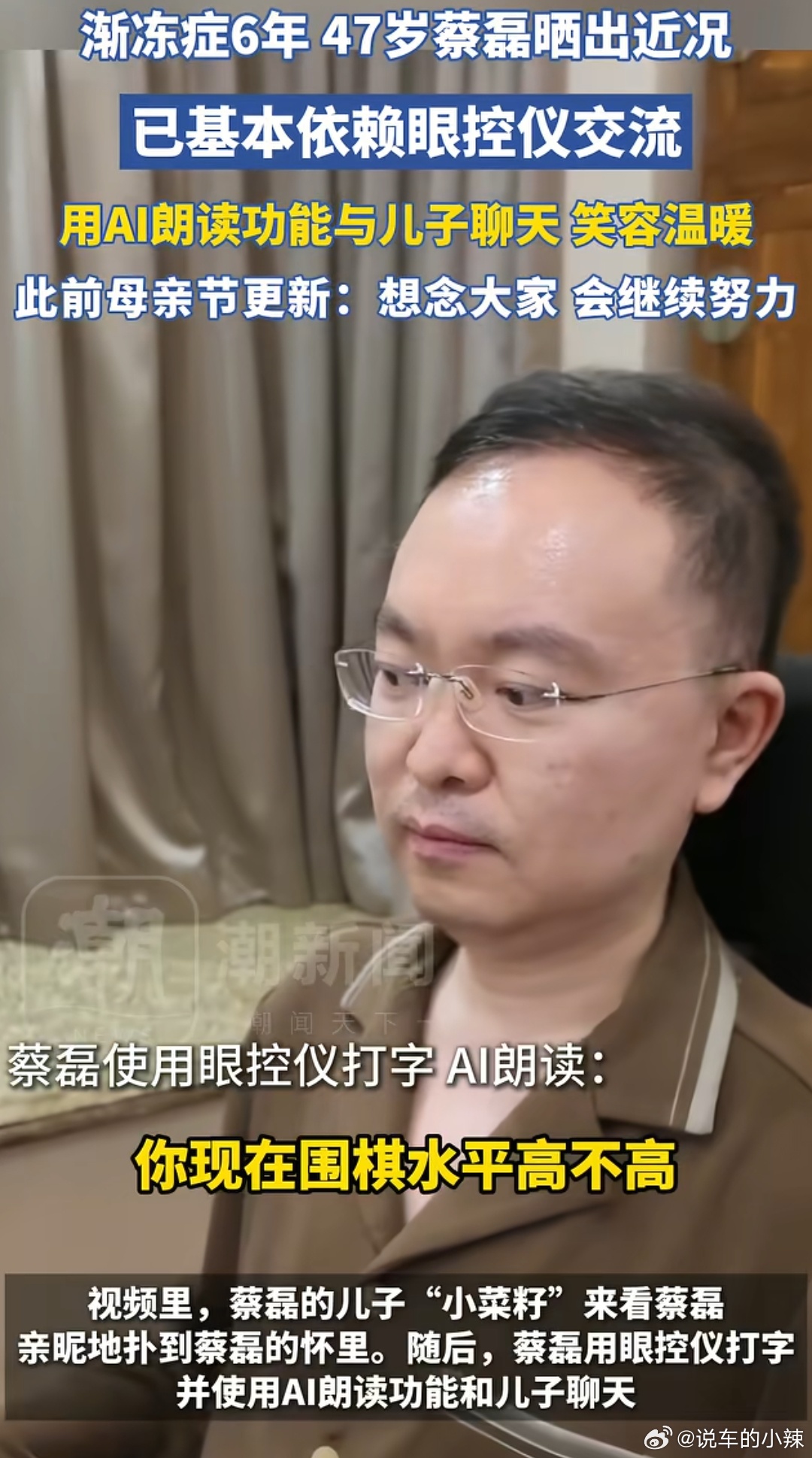
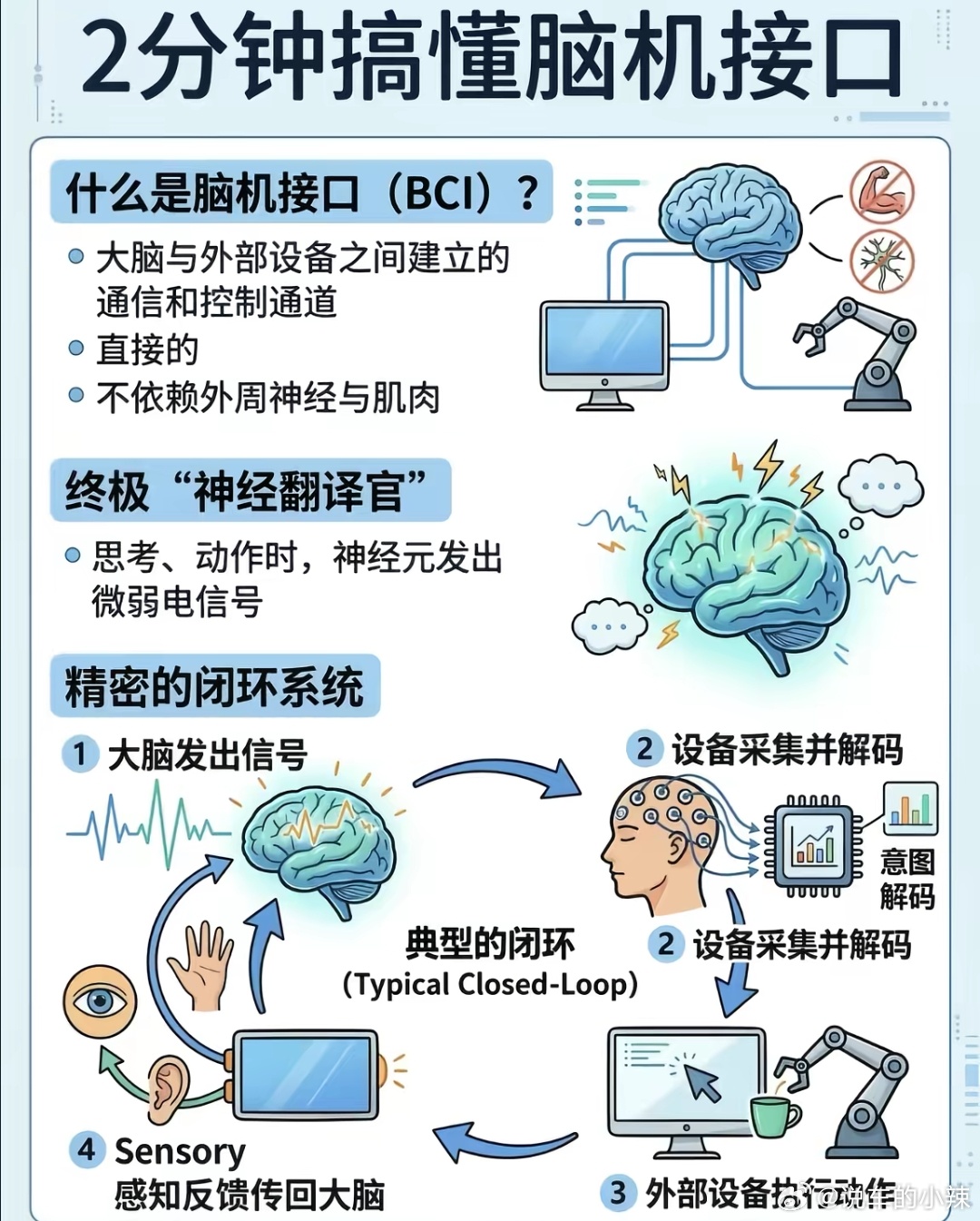
Cai Lei has spent six years losing control of his body, one function at a time. The former JD.com vice president, now one of China's best-known ALS patients, communicates mostly through an eye-tracking device, and at a science event in Beijing on Friday he appeared by video to name the thing he is still afraid of losing: contact. If he ever loses speech and movement entirely, he said, he wants a brain-computer interface to read his intent and drive a robotic arm — so that he can hug his son.
The wish was not science fiction, because the same stage carried the evidence. Zhao Zhengtuo, founder of the brain-computer-interface firm Jieti Medical, described patients who are already living inside that future: an ALS patient who regained the ability to communicate through an implant; a man who steered a robot dog down a flight of stairs by thought to fetch takeout and help his father with chores; another who now runs an online shop on his own, processing orders without help. Elephant News recorded the full exchange.
The part an outside reader would miss is how fast the policy ground is shifting. In March, China approved its first brain-computer interface for market, and medical-insurance coding followed — the unglamorous administrative step that decides whether a device costing hundreds of thousands of yuan can ever reach an ordinary patient. BCI in China is moving from laboratory demonstration toward clinical accessibility, with public health coverage as the bridge.
The reaction online was unsentimental in a way Chinese internet commentary rarely is. One user put it simply: the warmest meaning of technology is helping people trapped inside their own bodies reach the people they love again (科技最温暖的意义,就是帮被困在身体里的人重新触碰到爱的人).
Cai Lei, for his part, has answered the question of whether this is a stunt: he says trying a brain-computer interface is "not a sudden impulse," and he has already bet everything he has on the technology's timeline. The race is between a device maturing year by year and a disease that does not wait. His son, for now, is doing the waiting.