Five Months After a Deadly Swing Ride, a Sichuan Report Blames a Lax Operator and a Sleeping Regulator
A tourist died in May riding a giant swing at a scenic area in Sichuan; a newly released investigation report blames an operator who let an untrained worker run the ride, and a local government that failed to spot the danger — and two people have been referred to the courts.
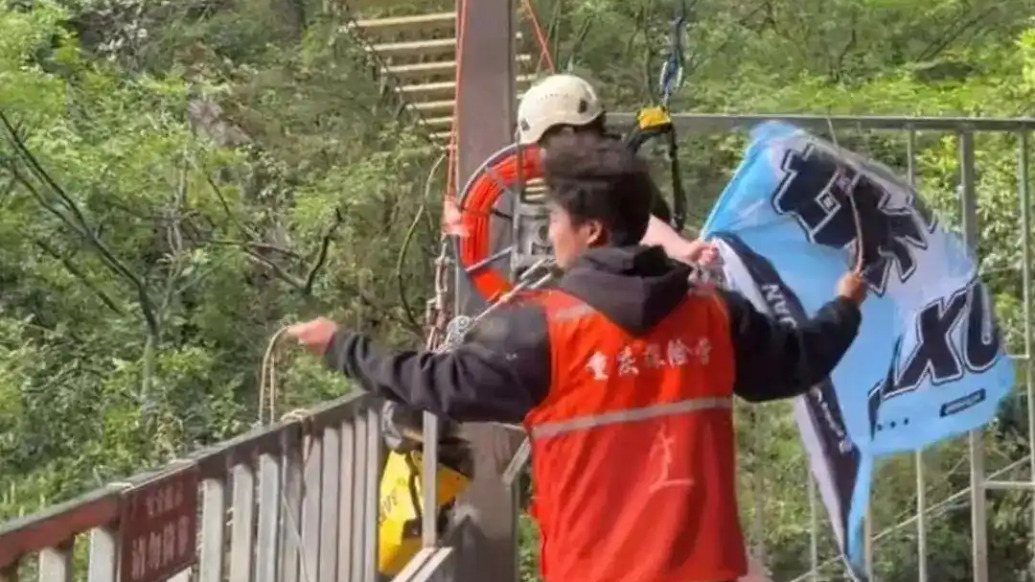
Five months after a tourist fell to her death from a giant swing at a scenic area in Sichuan, the local government has published its investigation report, and its findings point at a failure of routine rather than a freak accident. The Paper reported the release on Friday, and the report's language is unambiguous: this was 'a general production-safety responsibility accident.'
The swing, at the Maliuyan scenic area in Huaying's Xikou township, is the kind of extreme ride that has spread across rural China in recent years — a giant pendulum swing over a drop, sold as an adrenaline experience to day-trippers. On May 3, a visitor was hurt on the swing and died in hospital despite rescue efforts.
The direct cause, the investigators found, was procedural: the operator did not follow the operating procedure, and failed to handle the release rope correctly, so that the release mechanism on the ride's sliding carriage opened early, before the carriage had reached the proper release position. The report goes on to list what made that slip possible: the company running the attraction had left its safety responsibilities 'hanging in the air,' failed to identify and control risks, and put staff to work without legally required safety training. Local regulators, it concludes, watched a dangerous operation run unimpeded and left holes in their supervision.
Consequences have followed. People's Daily reported on Saturday that two people have been referred to judicial authorities, and the report confirms that both the operator and the local oversight chain are being pursued — a signal that the case is not being allowed to end with the closure of one attraction. Xinhua carried the same finding, adding that the ride's mechanical fault has been identified as operator error rather than equipment failure.
China's scenic-area rides — glass bridges, cliff swings, canyon ziplines — have become a booming rural tourism business, and the death on the Maliuyan swing is the kind of accident that industry lives in fear of. Whether the report's tough language translates into the inspections it calls for, or simply onto paper while the next untrained operator takes his place at the release rope, is the question the tourism season will answer.