One Tick Bite, 28 Days in the ICU: A Forest Encephalitis Case Puts Hikers on Alert
A woman bitten by a tick during a trip to the forests of Yichun spent 28 days in intensive care and is now paralyzed in all four limbs, her husband says. Chinese doctors are using the case to correct dangerous myths about tick removal.
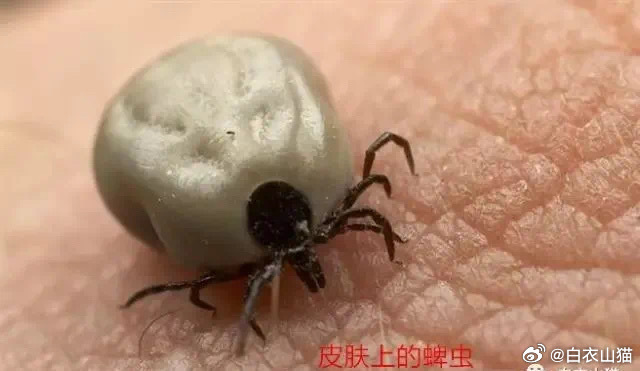
In June, a woman from Harbin took a trip with her husband to Yichun, a heavily forested prefecture in Heilongjiang province known for its national parks. At some point on the trip, a tick attached itself to her skin. Her husband, surnamed Sun, told the Beijing News that they had the tick removed at a Harbin hospital soon after they got home — and thought that was the end of it.
Two weeks later, she began to feel unwell. Then came convulsions and epileptic seizures. The diagnosis was forest encephalitis, the tick-borne viral infection that circulates in the forests of China's northeast each warm season, and she spent 28 days in intensive care. She is now paralyzed in all four limbs and breathes with the help of a ventilator. Her husband says the medical bills have already passed 400,000 yuan — about $56,000.
The case trended across Chinese social media on Tuesday, reaching No. 20 on Baidu's board, and it trended for a specific reason: the mismatch between how trivial a tick bite seems and what it can cost. Forest encephalitis — the disease known internationally as tick-borne encephalitis — usually announces itself with fever and headache days to weeks after a bite, and in severe cases attacks the brain itself. There is no drug for the virus, only support while the body fights.
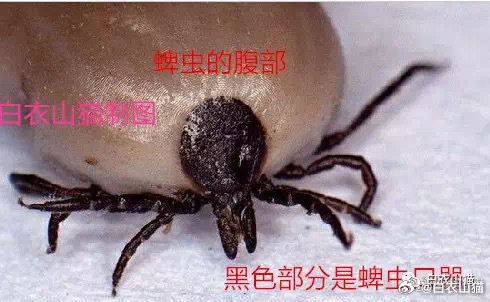
A doctor who blogs under the name White-Robed Mountain Cat has now written about ticks seven times, and on Tuesday he posted his most detailed explainer yet, illustrated with photographs he took himself. His central point concerned timing: in this case, he wrote, the critical failure was that the tick was removed too late. A tick found and removed promptly and completely — with no mouthparts left behind in the skin — generally does not pass on an infection, because the pathogens ticks carry are picked up from the animals they have fed on before, and transmission takes time.
His instructions run against the folk remedies still in circulation: do not yank the tick out, do not burn it with a cigarette, do not squeeze or crush it — each can leave mouthparts in the wound or force infected fluid into it. The correct method is to grasp the tick with fine tweezers as close to the skin as possible and pull steadily until it lets go, then disinfect the site. A widely shared recap of the case added the prevention checklist: long sleeves and trousers tucked into socks in woods and grassland, insect repellent, and a full-body inspection on returning home — scalp and armpits included, the places a small tick hides.
None of it changes the outcome for the Harbin woman. Her husband's account ends with the numbers that made strangers care: twenty-eight days of intensive care, four limbs, and a bill that keeps growing.