Li Auto's New i6 Crashed Its Own App: Why Buyers Rushed a 239,800-Yuan Electric SUV
When Li Auto opened orders for its refreshed i6 on Tuesday night, so many buyers piled in at once that the company's app buckled — the latest sign that demand in China's EV market runs hotter than the country's car market overall.
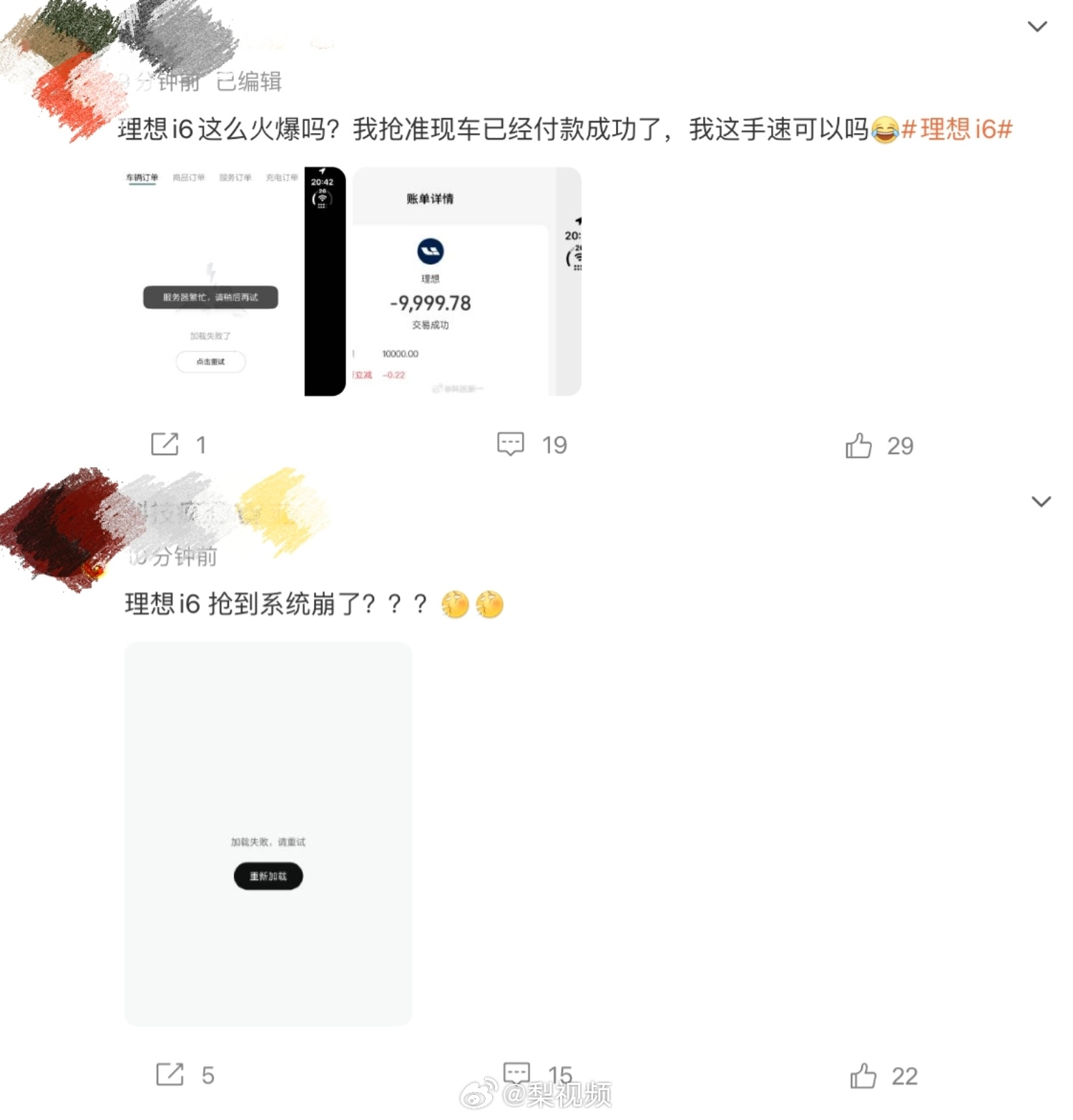
At around 8 p.m. on Tuesday, Li Auto opened ordering for the 2026 i6, and within minutes the company's app began to buckle under the load. "The app crashed," Pear Video reported that evening, quoting buyers who compared the scramble to queuing for commemorative coins — China's standard metaphor for a frantic, mostly futile rush. One screenshot circulating with the report shows a buyer's payment page registering a 9,999.78-yuan deposit on a car he managed to snag, directly above another user's error screen: "Loading failed, please try again."
The car at the center of the crush is a mid-cycle refresh of Li Auto's smallest battery-electric SUV. The 2026 i6 lists at 249,800 yuan (about $35,000), with a limited first-sale price of 239,800 yuan — the same window as the outgoing model, which is the point. Li Auto held the price while adding a larger 96-kilowatt-hour battery, up to 780 kilometers of rated range on the rear-wheel-drive version, electrically reclined "zero-gravity" front seats, a front trunk, dual-chamber air suspension, and its own new Mahe M100 chip running alongside a Qualcomm cabin chip and a 29-inch 6K panoramic screen. Chinese car media summarized the strategy in the industry's favorite five characters: 加量不加价 — "more car, no extra price."
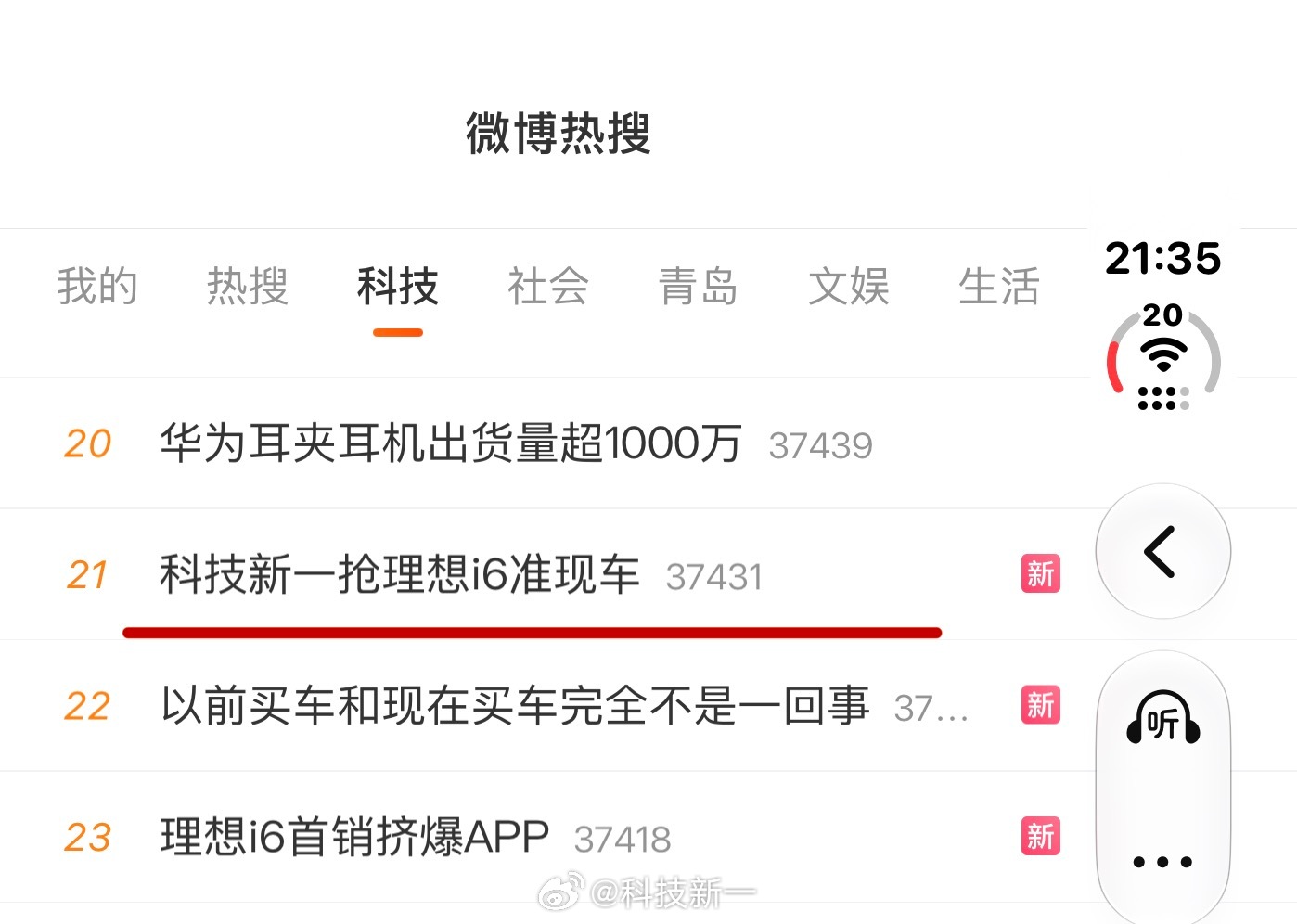
By late evening the "quasi-ready" cars — units already in the country, deliverable within one to two weeks — were sold out, and buyers were left configuring custom builds with longer waits. The tech blogger Tech Xinyi celebrated locking one in despite the crash, posting Weibo's tech trending list with the launch rush in the top slots; Weibo's own auto account counted nearly a thousand reposts on its launch notice within hours. A blogger who missed out asked his followers, with mock serenity, to help him choose a color for the custom car he would now have to wait for.
The rush says something about where Chinese consumer money is going. National figures released this month showed services spending rising while overall car purchases stayed soft — a pattern this site covered last week. Electric SUVs are the exception, and the sub-250,000-yuan family segment is the most contested ground in the industry, where Li Auto competes with everything from BYD to Xiaomi. In a price war now in its third year, a manufacturer that holds its price while upgrading hardware is betting that buyers read restraint as confidence.
Whether one evening's crush converts into sustained orders is Li Auto's next problem; the first-sale window is designed to turn attention into deposits in days, not weeks. But for one night, at least, the bottleneck was not persuading Chinese buyers that the i6 was worth 240,000 yuan. It was keeping the app standing.