A Man Won $1.5 Million in China's Lottery. He Found the Ticket Two Days Too Late.
A Wuhan man won 11.13 million yuan on a 32-yuan lottery ticket, then lost it. When the ticket turned up two days after the 60-day claim window closed, the lottery center refused to pay, the court sided with the center, and he was ordered to cover 88,000 yuan in court fees. The case has become China's sharpest argument in years over whether hard rules should bend.

Buy a lottery ticket, and write down the draw date. That is the lesson China is taking from the strange case of Mr. Huang of Wuhan. In November 2019, he spent 32 yuan — about four dollars — on a Double Color Ball ticket, the country's most popular lottery game, and won 11.13 million yuan, roughly $1.5 million. Then he lost the ticket. When it resurfaced in January 2020, the 60-day claim window had closed two days earlier. The lottery center refused to pay. He sued for the jackpot plus interest, and lost — and earlier this week a court confirmed he must also pay more than 88,000 yuan in case fees for the privilege of losing the lawsuit.
He did try. According to the court's findings, reported in detail by Jimu News and Dahe Daily, Huang called the lottery center's hotline the day he found the ticket, explained that his previous ticket had won eleven million and had expired two days earlier, and asked whether he could come in on Monday. The answer was no. China's lottery rules give winners 60 natural days from the draw; after that, the prize counts as abandoned and flows into the public welfare fund. The center pointed out that it had published notices three times searching for the winner of that draw, and the court found Huang knew the deadline — losing the ticket was his own doing, and the center had breached nothing.
Public sympathy was limited, and the reasons are instructive. Chinese lottery tickets are anonymous bearer instruments: no registration, no name attached, so the paper is the only proof of a claim. That design is exactly why courts enforce the deadline strictly. One finance commentator made the case for the hard line in a post that drew thousands of likes: make an exception for "two days late" today, and tomorrow it is a week, then a month, until the rule belongs to whoever can kick up the loudest fuss. But he added a warning the lottery center will not enjoy: in an era of real-name phones and traceable payments, telling winners only through shop notices and web announcements is asking far too little. A television host captured the other mood in one line: losing on a technicality hurts more than never winning at all — and then being billed for the court case.
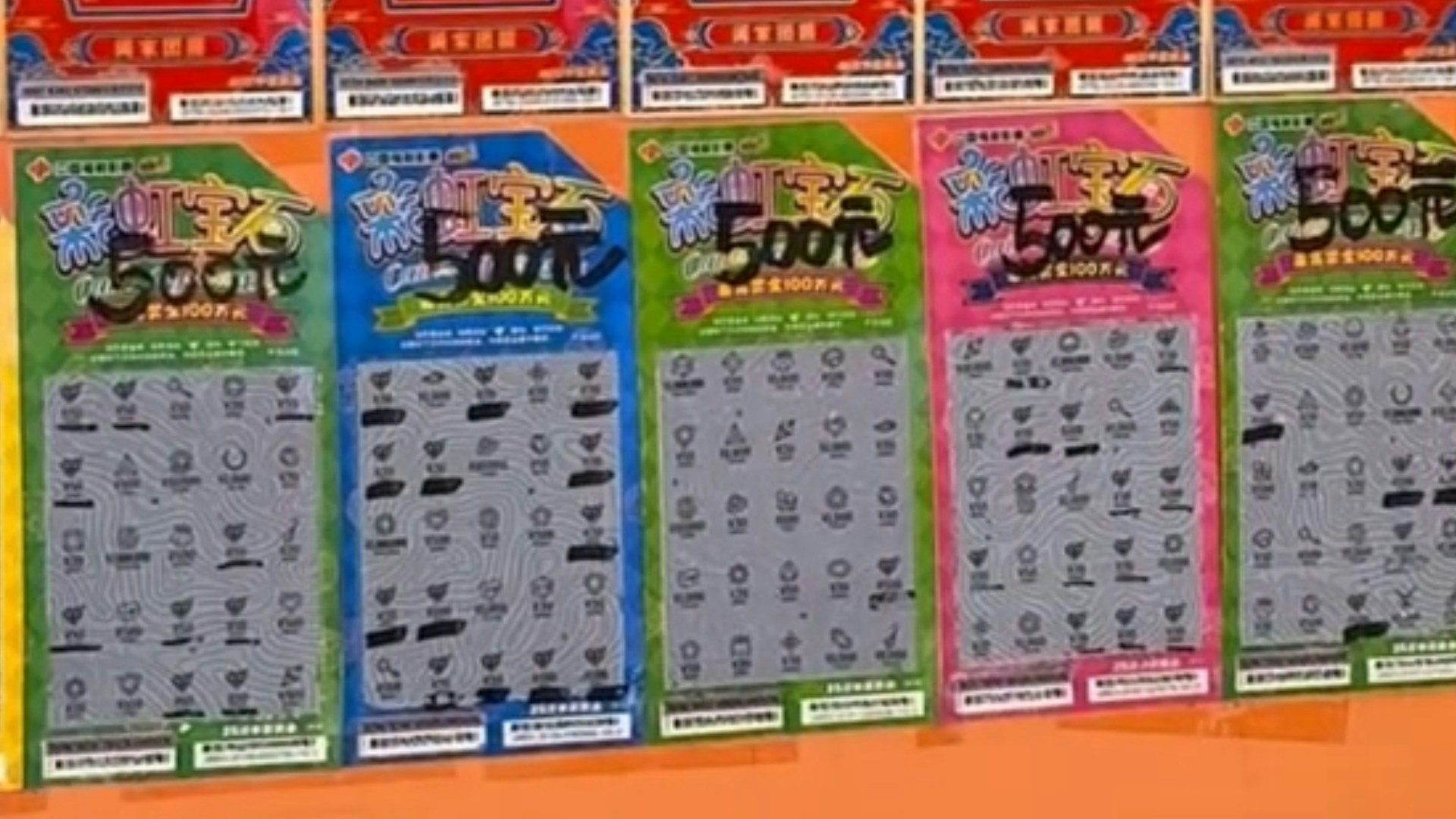
The story has traveled well beyond Wuhan, ranking in the top ten on Baidu's hot list and drawing coverage in Hong Kong, where HK01 walked readers through the dates. What has kept it alive is the arithmetic at its center: 32 yuan in, 11.13 million yuan out, zero back — plus 88,000 in fees. Huang has paid up and says he will not appeal. The prize itself has already been transferred into the lottery public welfare fund, the pool that finances welfare and community programs nationwide — which is, by the letter of the rules, exactly where an unclaimed fortune belongs.