A Viral Video on Rattan Baskets Just Spoiled China's 'Pretty Meal' Trend
A short video alleging that the rattan baskets restaurants use for Instagram-friendly meals trap sauce, crumbs and insects has left China's aesthetic-dining scene reeling — and turned a food-safety worry into the week's defining meme.
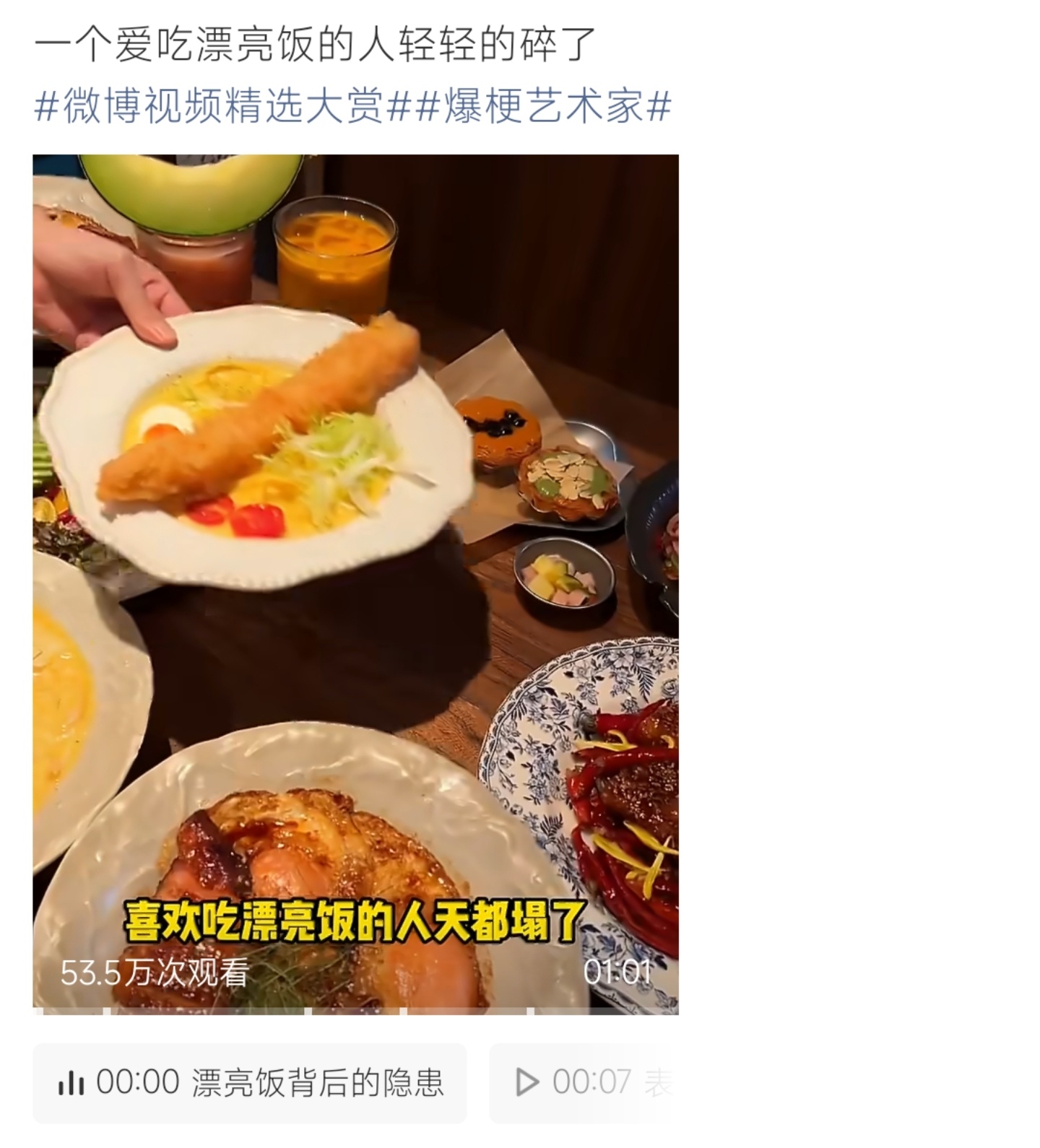
The sentence running across Chinese social media this week — "a person who loves pretty meals gently shattered" (一个爱吃漂亮饭的人轻轻的碎了) — is a joke with a real grievance underneath. Pretty meals, or "pretty rice" (漂亮饭), are the dishes built for the camera: shallow plates, rattan baskets, moody lighting, compositions designed to be photographed and posted to Xiaohongshu or Douyin. The meme's originator, a video by the creator Han Ergen that drew thousands of likes, alleged that the woven rattan and bamboo baskets many aesthetic restaurants serve food in are nearly impossible to clean: sauce and scraps wedge into the weave, ordinary wiping cannot disinfect them, and the gaps eventually breed insects.
For a dining culture that prizes the photograph first, the accusation landed where it hurts. On Chinese social media, the reaction was not the usual call to boycott but something closer to collective heartbreak — the phrase "gently shattered" does the work of mourning a small ritual. As one summary post put it, pretty meals promise "a little ceremony": after a long week, you find a good-looking shop, the plating is delicate, the light is soft, and every angle photographs well. What you are eating, the post says, is "a small reward for a tired life" — which is precisely why learning the basket may be the dirtiest object on the table feels like betrayal.
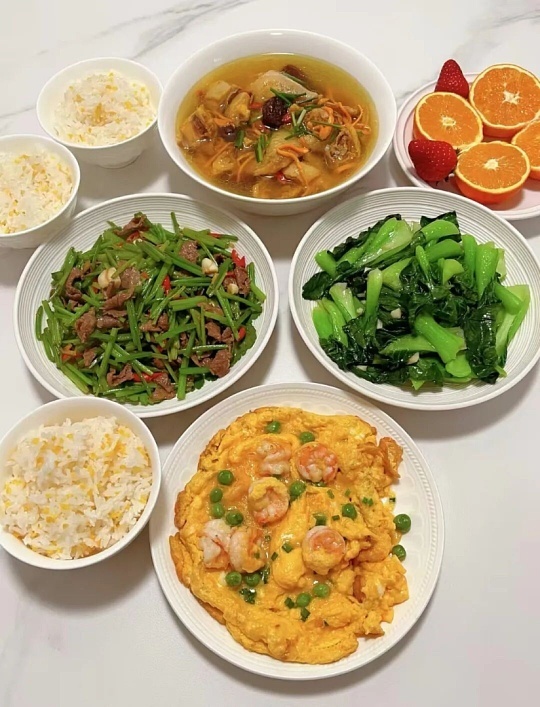
The practical advice followed fast. One user's warning went granular: soup, oil and noodle scraps wedge into the warp and weft of the basket, regular rinsing cannot remove them, and over time they go moldy and rancid — so keep hot or wet dishes out of bamboo entirely. Others struck a more forgiving note. "Looks are a bonus; safety is the bottom line" (颜值是加分项,安全才是底线), one reflective post concluded, urging diners to keep the romance but watch the container as closely as the plate.
The episode fits a pattern this site has tracked before: after a family's food poisoning, China rethought how it stores its eggs, and each such scare tends to produce not just alarm but a wave of household checklists. What is new here is the target. Food-safety scares usually concern what is in the food; this one concerns what the food is posed on, and it indicts an entire visual economy — the rattan basket, the linen napkin, the low ceramic bowl — that Chinese restaurants adopted precisely because it photographs well.
Whether the pretty-meal economy actually changes will show in whether baskets disappear from tables, or simply get a fresh wipe before the next photo. Either way, the week's meme has already done one thing: made a few million diners look down at the container before they pick up the camera.