Xiaomi Is Selling Homes to Its Own Employees in Wuhan, at a Discount
Xiaomi has opened sales of its first residential development in Wuhan — 297 homes reserved exclusively for its own employees. The move has set off a debate over whether tech companies should be in the housing business, and what it says about corporate welfare in China.
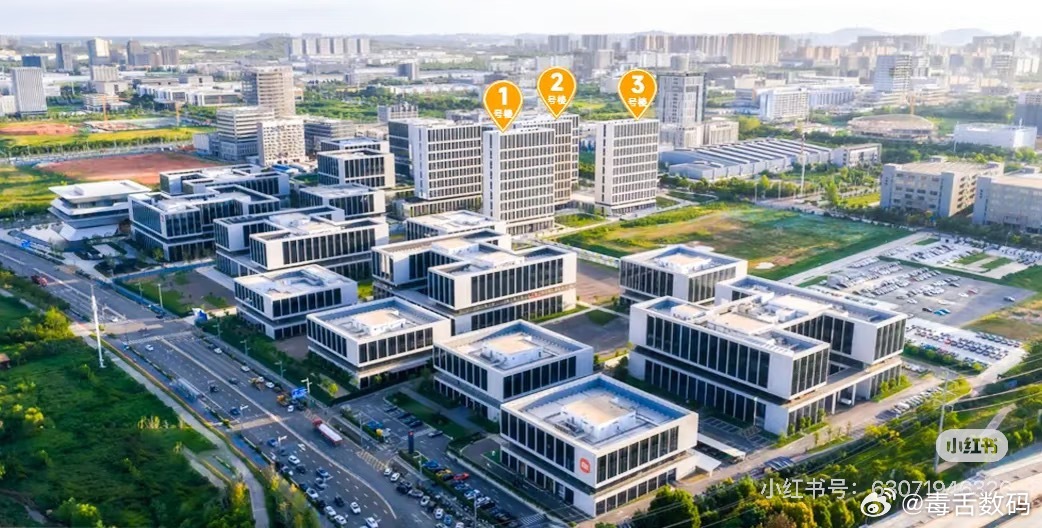
Xiaomi has opened sales of its first residential development in Wuhan — 297 homes reserved exclusively for its own employees. The project, called Guanggu Dream Home in Wuhan's Optics Valley tech district, is four buildings of 18- and 33-storey blocks, with a registered average price of 13,885 yuan per square metre. An internal price reported at around 12,000 yuan shaves roughly a further 13 percent off.
The development is not open to the public. On October 24, Xiaomi's ecosystem chief Chen Bo confirmed the project would open sales on October 25 to formal employees only, with floor plans ranging from compact 110-square-metre three-bedroom units to larger 125-square-metre layouts with private sky gardens.
Commentators on Weibo saw the point quickly. The tech writer behind the account 宇飞视界, whose post on the project was liked more than 2,800 times, argued that the significance is not that Xiaomi has "become a property developer" but that this is a new form of corporate welfare — housing close to the office, at a real discount, in a district where nearby registered prices exceed 15,000 yuan per square metre.
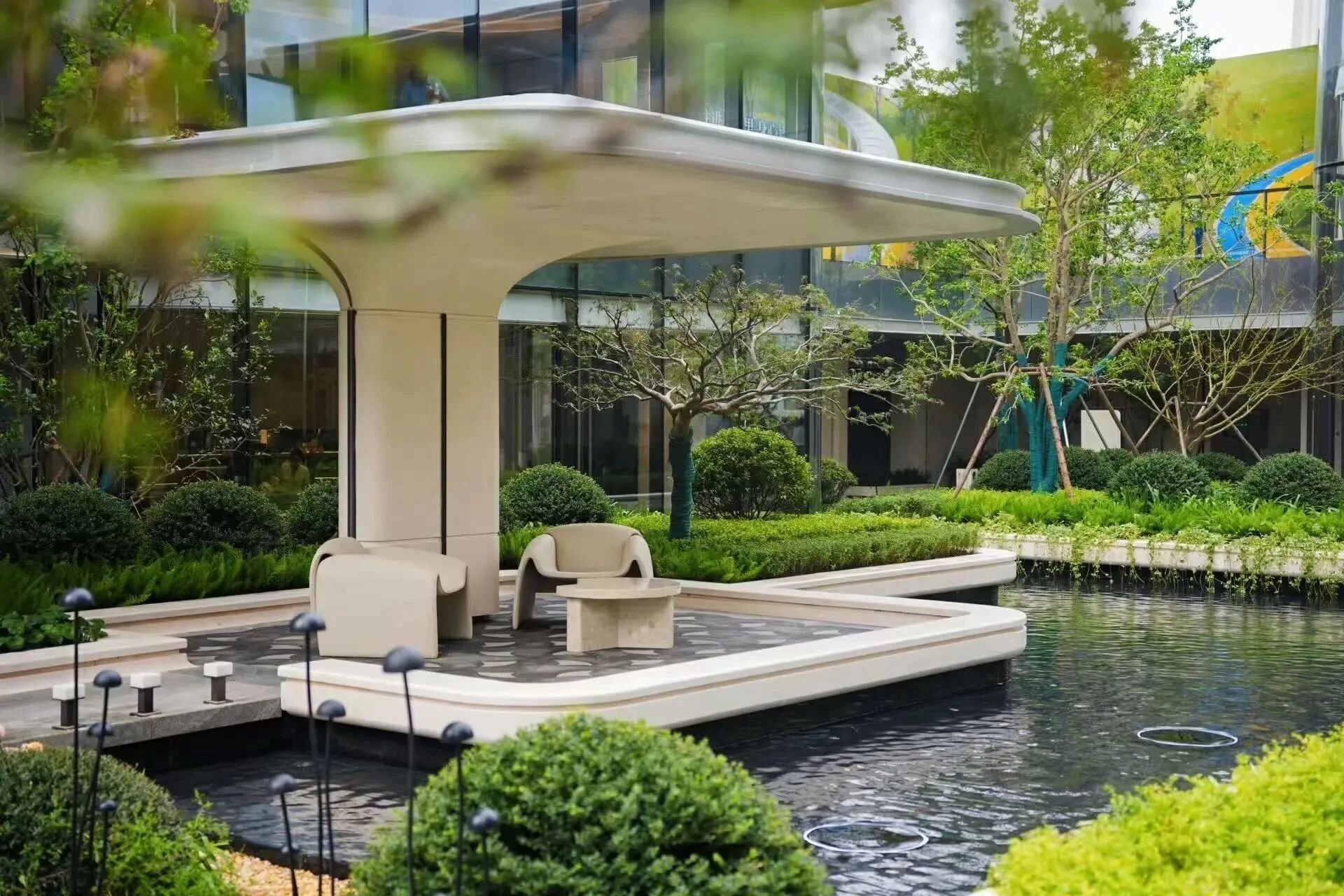
The history behind the story is a long one. For decades, state-owned enterprises and government units allocated housing to employees; market reforms ended that system in the 1990s, and buying on the open market became the norm. In the past decade, as housing prices in major cities soared and then wobbled, some tech firms have experimented with subsidies, dormitories, and now — with Xiaomi — full developments. A question on Zhihu asking why Xiaomi is selling homes, and whether more will be opened to the public, has drawn wide attention.
The question that remains is scale. The project is small by property standards — 297 units — and it is unclear whether Xiaomi will build more, or whether it is a one-off perk for its Wuhan workforce.