A Chinese Romance Drama Just Hit Netflix's Highest-Ever Rank for the Country's Series
The Youku romance 'Zaochun Qinglang' has reached No. 2 on Netflix's global non-English chart with 2.4 million weekly views — the highest rank ever for a Chinese drama — topping daily charts across Southeast Asia as its finale airs. Chinese state media is asking why the country's love stories finally travel.

A Chinese television romance has become the most successful series the country has ever placed on Netflix's global chart. "Zaochun Qinglang" — the title translates roughly as "Clear Skies in Early Spring" — held the No. 2 spot on Netflix's weekly global non-English chart for a second week in September, drawing 2.4 million views and 21.5 million hours of viewing time in a single week, the highest ranking a Chinese drama has ever reached on the chart. People's Daily's overseas edition devoted a feature to the question of why it travels so far.
The show's trajectory since its August 26 premiere — released simultaneously on Youku in China and Netflix abroad — maps how quickly word-of-mouth now crosses borders. Within two days it sat at No. 6 on Netflix's global daily chart and inside the top ten in 54 countries and territories. It reached No. 1 in Singapore, Vietnam, Thailand, Indonesia, Hong Kong and Taiwan, and climbed to No. 2 in Brazil — a market with no linguistic or cultural bridge to a Mandarin-language office romance about a steady, reserved product manager, Luke, and a determined young colleague, Shang Zhitao.
The assembly line behind the hit
The drama is no outlier, whatever its ranking suggests. People's Daily's overseas edition places it at the front of a growing convoy — "Hidden Love," "The First Frost," "The Best Thing" and other Chinese romances that have charted on Netflix in recent years, both full-length series and the short dramas that followed them. The formula is consistent: contemporary urban settings, courtship rendered as slow-burn emotional negotiation, production values polished to a high gloss, and day-and-date global distribution that treats the platform's algorithm as a foreign broadcast deal once was. What has changed is less the storytelling than the plumbing — Chinese studios now build global release into the budget from the first day of shooting.
On Weibo, the show's finale this week turned the chart news into a farewell. Jing Boran, the male lead, posted his notes from the preparation period — pages of character study he said he had written to get close to Luke's "unspoken undercurrents beneath the calm exterior" — in a post liked more than 160,000 times. Sun Qian, the female lead, published a letter to her own character, unpicking the "soft, formless" name that hides stubbornness and courage, and signed off with a selfie from the last day on set.
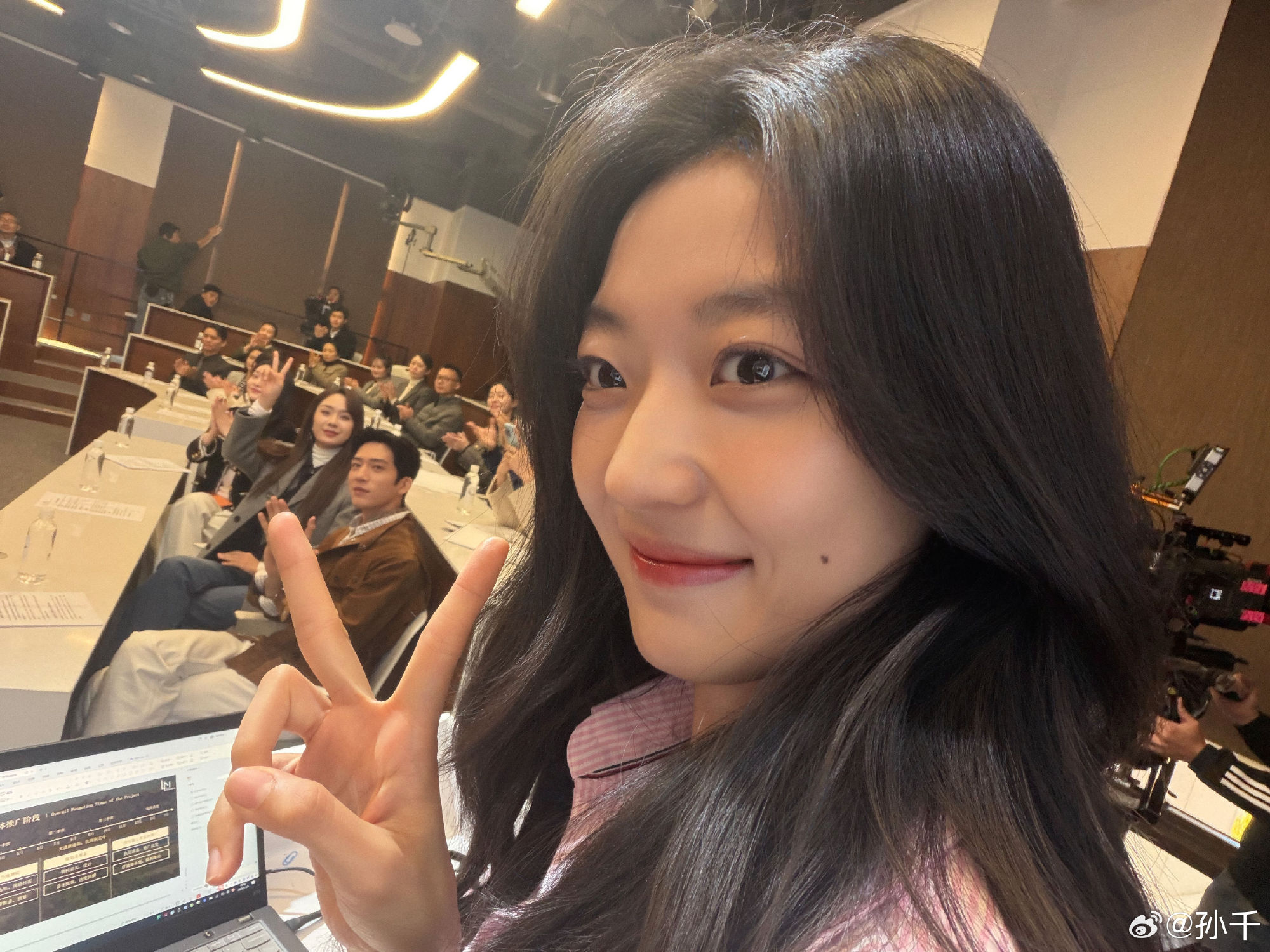
The finale sentiment and the chart standing point in the same direction. Chinese romance dramas have found the audience their exporters spent a decade looking for — not the diaspora alone, but a general global viewership that now discovers a Hangzhou office love story the same way it discovers a Korean one. The open question is whether one record ranking becomes a pipeline; the convoy already forming behind it suggests the studios intend exactly that.