Most Chinese Lung Nodule Patients Have Never Smoked, Zhong Nanshan's Team Finds
A nationwide study led by respiratory pioneer Zhong Nanshan found that 71 per cent of Chinese lung nodule patients had never smoked, and nearly three-quarters of the lung cancers it tracked appeared in people outside the usual high-risk groups — prompting a call to rethink who gets screened.
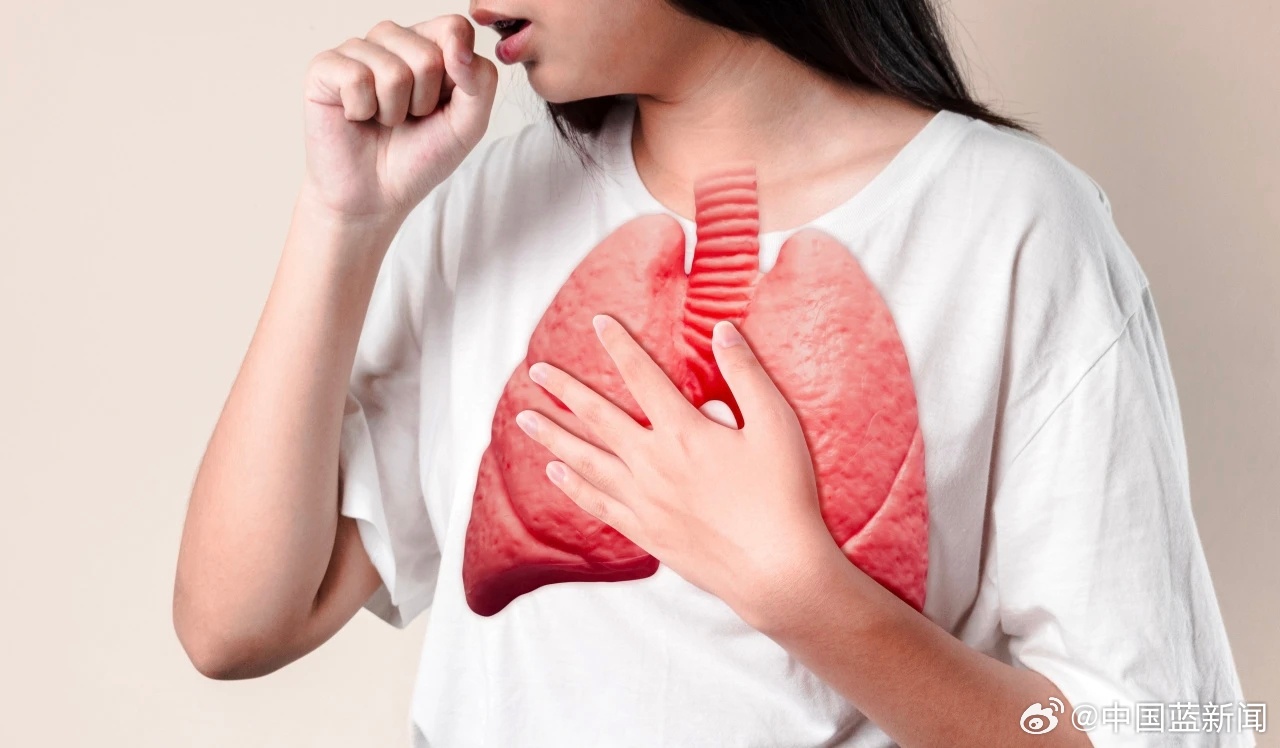
Zhong Nanshan, the respiratory physician who became China's most trusted medical voice through the SARS and COVID years, has lent his name to a finding that upends a familiar assumption about the country's lung-cancer epidemic: most of the patients were never smokers at all. A study from his team followed more than 10,000 lung nodule patients across 16 provinces and found that 71.34 per cent had never touched cigarettes (the study as summarised on Baidu). More striking still, 73.2 per cent of the lung cancers that later emerged did so in people outside the groups — heavy smokers, the occupationally exposed — around whom screening guidelines are built.
The numbers describe a disease that is quietly changing address. Lung cancer is now the top cancer among Chinese women in both new cases and deaths, according to national cancer registry data for 2022 (China Blue News's explainer). One Shanghai sample found the share of lung-cancer patients under 45 rising from 6.2 per cent to 15.4 per cent — and among young women the jump was steeper still, from 3.4 per cent to 19.2 per cent, with 97.5 per cent of them never-smokers.
No single culprit has been convicted. The researchers point to second-hand smoke, family history and — the explanation that lands hardest in Chinese kitchens — cooking fumes, the by-product of the high-heat stir-frying that defines most home cooking. Genetic susceptibility may also leave women more sensitive to tobacco toxins, though the science is unsettled. What the study presses for is a rewrite of the screening rules: China should stop leaning on smoking histories and occupational exposure alone, and take young women and cooking habits into account.
The finding reached No. 3 on Baidu's hot board with more than 7.7 million clicks, and the Weibo hashtag filled with explainers within hours. It also stirred a quieter current: a Hangzhou health-bureau account circulated a video of "four movements to disperse lung nodules", breathing exercises billed as doing what a nodule diary cannot (the video) — a glimpse of the dread the tiny white shadows on a CT report have come to carry in Chinese middle age.
For now, the recommendation is the news: the team wants screening criteria redrawn around the patients the disease actually produces — people who never lit a cigarette.