Over 30% of Urban Chinese 30-Year-Olds Unmarried: A Nationwide Conversation on Changing Family and Marriage Models
More than One in Three 30-year-old Chinese Are Unmarried
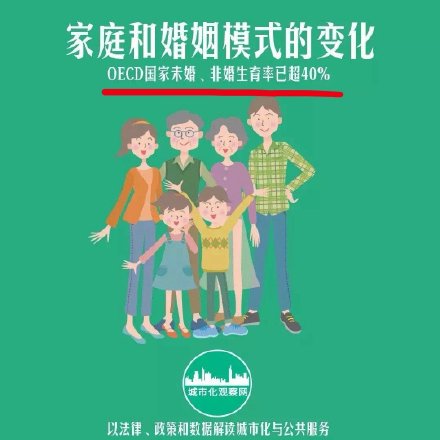
A recent survey conducted by Chinese media organization First
Economist revealed that over 30% of 30-year-olds living in urban areas remain unmarried. This figure
has sparked a nationwide conversation about changing family and marriage models.
China's未婚率, or unmarried rate, is a topic of much discussion on social media platforms like Weibo, where people express their views on the issue. Many users argue that personal choices should be respected, while others suggest that the increasing number of unmarried individuals could have wider societal implications.
The First
Economist report found that the 25-29-year-old age group had the highest percentage of
unmarried individuals, with a rate of 56.9%. For those aged 30-34, the rate reached 20%.
In response to these findings, several online commentators have taken to Weibo to share their thoughts. One user wrote, "30-year-olds and over accounted for over 30%. You cannot expect people to live their lives like robots; everyone has their own pace." Another user opined, "The trend toward divorce-free families and single parents is becoming more prevalent."
When it comes to the reasons for delayed marriage or staying single, several explanations have been proposed on Weibo. Some argue that the financial burden of raising a family is too heavy, while others point to societal expectations and pressure as factors contributing to the unmarried rate.
The high cost of housing and education in China is often cited as a key deterrent for prospective couples looking to tie the knot. Many young Chinese adults are struggling to save enough money to buy a home and provide a stable financial future for their future families. Additionally, the one-child policy imposed by the Chinese government for many years has led to an imbalance in the number of males and females in the country's population, making it more difficult for some to find suitable partners.
Another issue highlighted by Weibo users is the lack of social support for unmarried individuals, particularly women. In China, women who remain single often face stigma and pressure from their families and communities to marry and start a family. This can lead to feelings of isolation and depression among those who choose to remain single.
In an effort to address some of these concerns, China's government has introduced policies aimed at promoting marriage and family formation, such as providing subsidies for newlyweds and offering financial incentives for couples to have children. However, these measures have not been enough to reverse the trend of delayed marriage and increasing rates of singleness.
Despite the challenges facing unmarried individuals in China, many remain hopeful for the future. One Weibo user posted, "Maybe we will see more people taking control of their lives and making decisions that are best for them." Another commented, "Maybe one day society will accept that not everyone needs to marry or have children to be happy."
As China continues to grapple with its changing family and marriage models, it is clear that there is no one-size-fits-all solution to the issue of delayed marriage and the growing number of individuals choosing to remain single. However, with ongoing discussions and efforts from the government and society as a whole, it is hoped that a more inclusive and understanding approach to these demographic trends can be achieved.