600,000 'Exam Cheat Tools' Sold Online: China's Education System Faces Crisis of Trust
A bizarre phenomenon has recently caught the attention of the public on Chinese e-commerce platforms: a product called the "exam cheat tool" has been sold at an extremely low price, with over 600,000 units sold. This tool is essentially a pen with a retractable paper strip that can be used to write answers, which can then be hidden inside the pen. The purpose of this product is to facilitate cheating during exams, allowing users to secretly access answers or information.
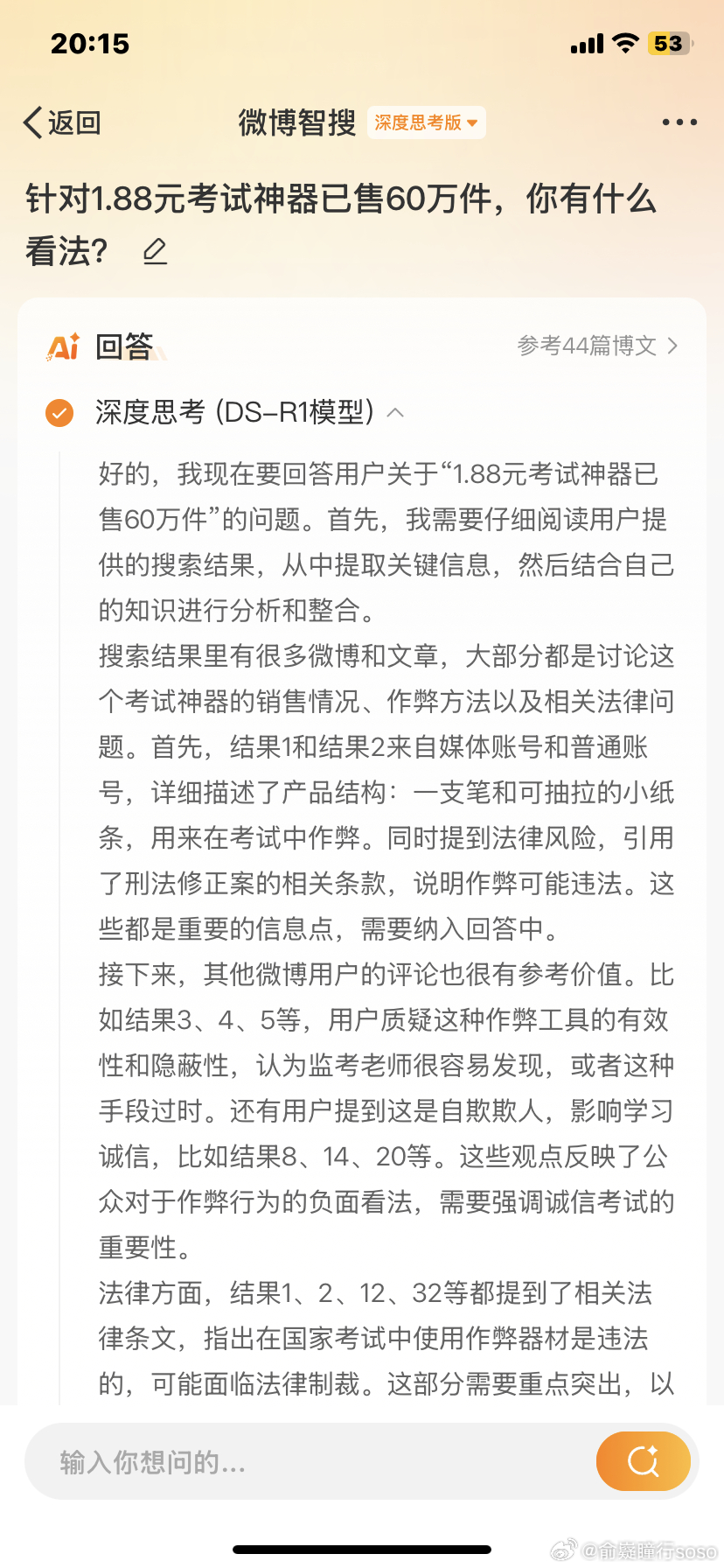
According to reports, some online stores have displayed sales figures of over 100,000 units, with the lowest price being just 1.88 yuan (approximately $0.28 USD). The product has received nearly 3,000 positive reviews, with some customers commenting on its usefulness and effectiveness in helping them cheat during exams. However, what is most alarming is that some sellers are openly advertising the product as a tool for cheating, with some even providing instructions on how to use it to evade detection by exam proctors.
The device itself is surprisingly straightforward, consisting of a pen and a small, retractable piece of paper. The method of use is equally uncomplicated: the small piece of paper can be written on with answers, then retracted back into the pen. During exams, students can employ tactics such as "borrowing a pen" to share the pen containing the answers with their peers. Alternatively, key information can be recorded on the paper, attempting to evade the watchful eyes of invigilating teachers.
The sale of such "exam cheating devices" raises serious legal concerns. According to Chinese law, organizing cheating, providing cheating equipment or assistance, illegally selling or providing exam questions and answers, and impersonating others or having others impersonate oneself to take an exam are all punishable offenses. The sale of these "exam cheating devices" may be suspected of violating these laws, which are designed to maintain the integrity of national exams, ensuring that all participants have a fair and equal opportunity to succeed based on their own abilities.
The phenomenon of the "1.88 yuan exam cheating tool" selling over 600,000 units has significant social implications, reflecting a crisis of trust in the education evaluation system. This trend can only be addressed by implementing comprehensive governance measures that span legal, educational, and technological dimensions. Ultimately, the goal is to uphold the fairness and educational value of examinations. The fact that individuals are willing to use such illicit methods to achieve academic success raises fundamental questions about the education system, highlighting a trust crisis within the education sector, where the emphasis seems to be on grades rather than knowledge acquisition.
The use of cheating tools indicates a broader problem - a lack of faith in the ability of the education system to provide a fair and meaningful assessment of students' abilities. The sale of these cheating tools on such a massive scale also underscores the need for a multifaceted approach to governance. Legislative measures are necessary to deter the production and distribution of such tools, while educational reforms should focus on creating a system where the value of learning is not solely measured by examination scores. Technological advancements can also play a role in preventing cheating and ensuring the integrity of examinations.
In essence, the "1.88 yuan exam cheating tool" phenomenon serves as a stark reminder of the challenges facing the education sector. It calls for a comprehensive overhaul of the system, one that prioritizes fairness, integrity, and the intrinsic value of education over mere academic achievement. By addressing the root causes of this issue, we can work towards creating an education system that truly serves the needs of students and society as a whole. The integrity of the education system depends on the collective efforts of all stakeholders to promote a culture of honesty, fairness, and respect for the value of knowledge and learning.