Actor's Live Stream Scandal: 'Earth Chicken' Exposed as Marketing Ploy
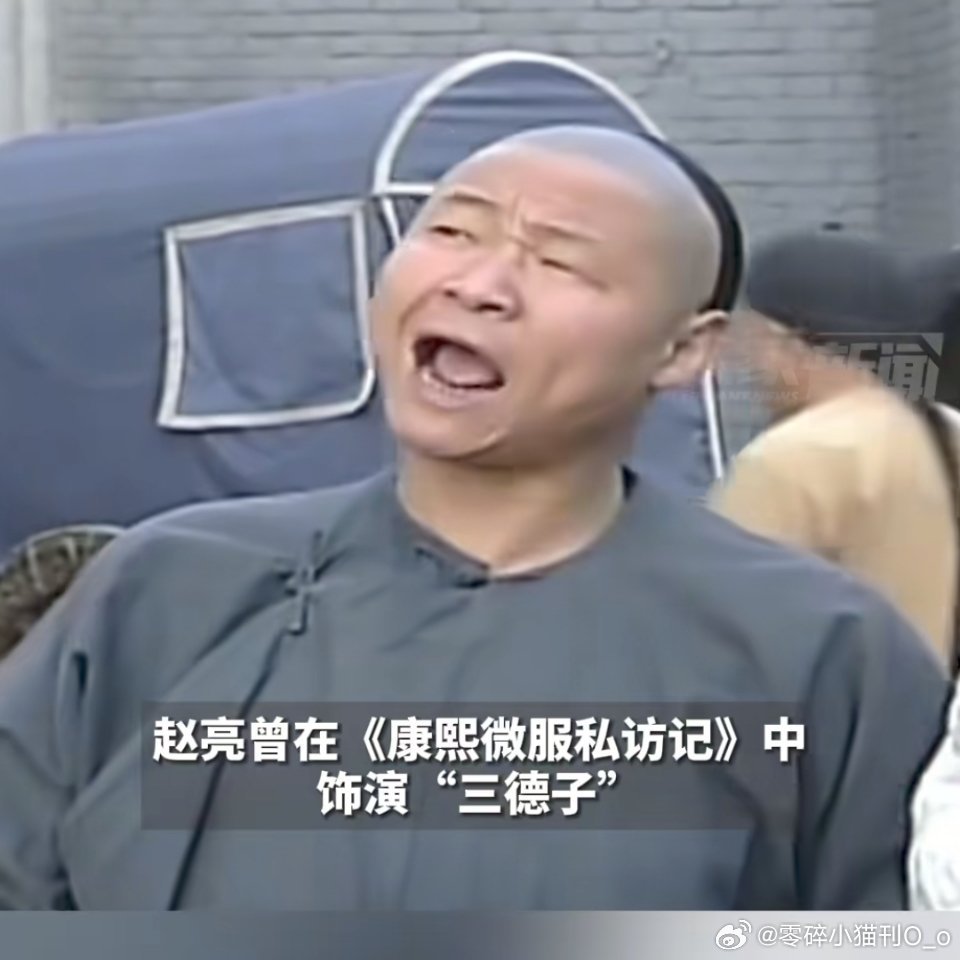
A recent controversy has sparked heated discussion among netizens after actor Zhao Liang sold "tu ji" (literally "earth chicken") in a live streaming session, which was discovered to have a trademark of "De Zi Tu" (德子土) on its outer packaging. The sales revenue of Zhao Liang's official flagship store, which mainly sells "tu ji", has been substantial, with nearly 50 million yuan in sales since 2025, and monthly sales ranging from 10 to 25 million yuan, except for February.
An investigation by Tianyancha, a business information platform, revealed that Chengdu San De Zi Good Selection Agriculture Technology Co., Ltd., the company behind the trademark, had applied for trademarks such as "San De Zi", "San De Zi Selection", "De Zi Tu", and "De Zi Tu Ji". The company was also fined over 100,000 yuan by the Jinjiang Market Supervision and Administration Bureau in March for publishing false advertisements. This incident has raised concerns about the potential for deception in advertising and the importance of scrutinizing commercial trademarks.
The company's efforts to establish a brand identity, with "Dezi Tu" being a key part of its marketing strategy, have been called into question. The Regulatory actions taken against the company, including the fine for publishing false advertisements, suggest that its marketing practices have come under scrutiny, raising questions about the transparency and accuracy of its advertising claims. The combination of trademark applications and regulatory penalties paints a complex picture of a company navigating both the legal landscape of brand protection and the ethical considerations of consumer advertising.
The online community has reacted strongly to the incident, with many netizens expressing outrage and feeling deceived by the commercial tactic. Users have shared their disappointment and frustration, noting that the use of "tu" as a brand name is misleading, especially when associated with products like "tu ji" (earth chicken) or "tu ji dan" (free-range chicken eggs). They argue that consumers rely on product names to quickly understand the product's characteristics, but instead, they are being deceived by "smoke bombs". There are calls for the food industry to prioritize honesty and focus on improving product quality rather than resorting to clever marketing tactics.
This incident has sparked widespread reflection on the food industry, with many calling for businesses to focus on product quality rather than playing word games. Netizens are urging relevant departments to strengthen regulation and eliminate deceptive practices that cheat consumers. The event has also raised concerns about the potential for malicious competition, where honest businesses are disadvantaged by unscrupulous operators. As one commentator noted, "such businesses are doomed to fail in the long run, and only those that prioritize product quality will thrive." The incident highlights the need for consumers to remain vigilant and for regulatory bodies to take a more proactive role in monitoring the market and protecting consumer rights. By doing so, the industry can promote a culture of transparency, accountability, and fair competition, ultimately benefiting both businesses and consumers alike.