AI Dramas Are Crowding Out the Human Actors of China's Micro-Drama Boom
Chinese short-video feeds are filling with AI-generated micro-dramas, and the genre's human actors say they feel it first — a shift the industry's quarterly regulator showcase has now put on the record, with four of twelve autumn titles AI-made.
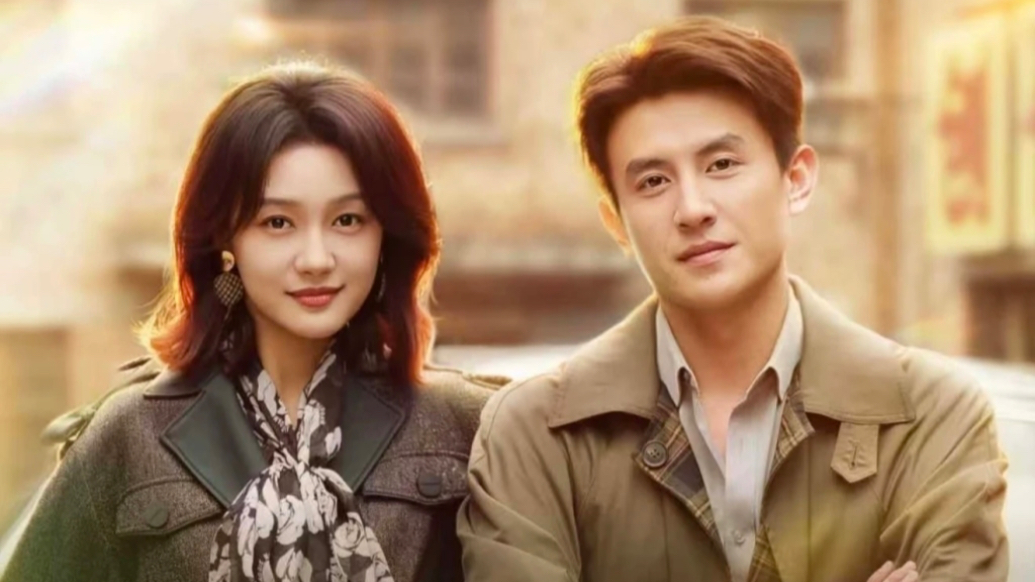
The post that climbed the trending list reads like a field report: "It feels like short-drama actors have disappeared." Its author, a video blogger, meant it literally — the human-made micro-dramas that once flooded China's short-video platforms have thinned out on the feed, and in their place sit shows nobody performed. A post liked more than 3,000 times within hours, it struck a nerve because viewers could check it against their own screens.
Micro-dramas — vertical episodes of one to three minutes, sold by the batch, shot in days — are China's fast-fashion television: cheap to produce, quick to replace, tuned nightly by the recommendation feed. That economics is exactly where synthetic video wins first, and the people watching the genre say it is winning. A tech blogger's verdict under the hashtag ran four characters: "It's all AI now." Another commenter traced her own conversion: "Earlier this year I saw the videos saying this and shrugged. Then I watched a few AI dramas and found I couldn't sit through the human ones any more. That's when it landed — short-drama actors really are having a hard time. The AI shows have hit them hard."
The shift is now official business. At an autumn showcase in Beijing, the industry's quarterly review — convened by the China TV Arts Commission under the broadcast regulator's online-audiovisual department — assessed twelve micro-dramas: eight made with human casts, four made with AI. The meeting's own summary, reported by The Paper (the regulator's autumn review sits on its hot list), named the quarter's defining feature: AI's large-scale use "has changed the traditional production and broadcast model" of human micro-dramas. A form that regulators began reviewing quarterly because it grew too big to ignore is now governed in both of its versions.
The celebrity class has made its peace, at least rhetorically. Liu Yuning, a singer-actor who rose through livestream covers, was asked in a January livestream about AI-made songs and answered with the pragmatism the industry has adopted (a post of the clip drew more than 4,000 likes): "I would never oppose anything advanced. AI is an era. Get to know it early, use it early, and you walk ahead of it."
What that leaves for the genre's working actors is the question under the hashtag. Micro-drama sets have been where struggling actors log paid days between jobs; the form's pull is now strong enough that tourists pay to star in their own productions at Hengdian, the country's studio city. The autumn list — eight human dramas to four AI ones — is the clearest public count yet of how the feed is splitting. The disappearance the blogger noticed has moved from a joke about the algorithm into the regulator's minutes.