Beijing Releases 700 Million Parasitic Wasps Against an Invasive Caterpillar Wave
Beijing's trees are crawling with the caterpillars of the invasive fall webworm, and the city's response is biological: it has released nearly 700 million Chouioia cunea wasps this year, with 400 million more to follow from Monday — a pest-control campaign now front-page news across China.
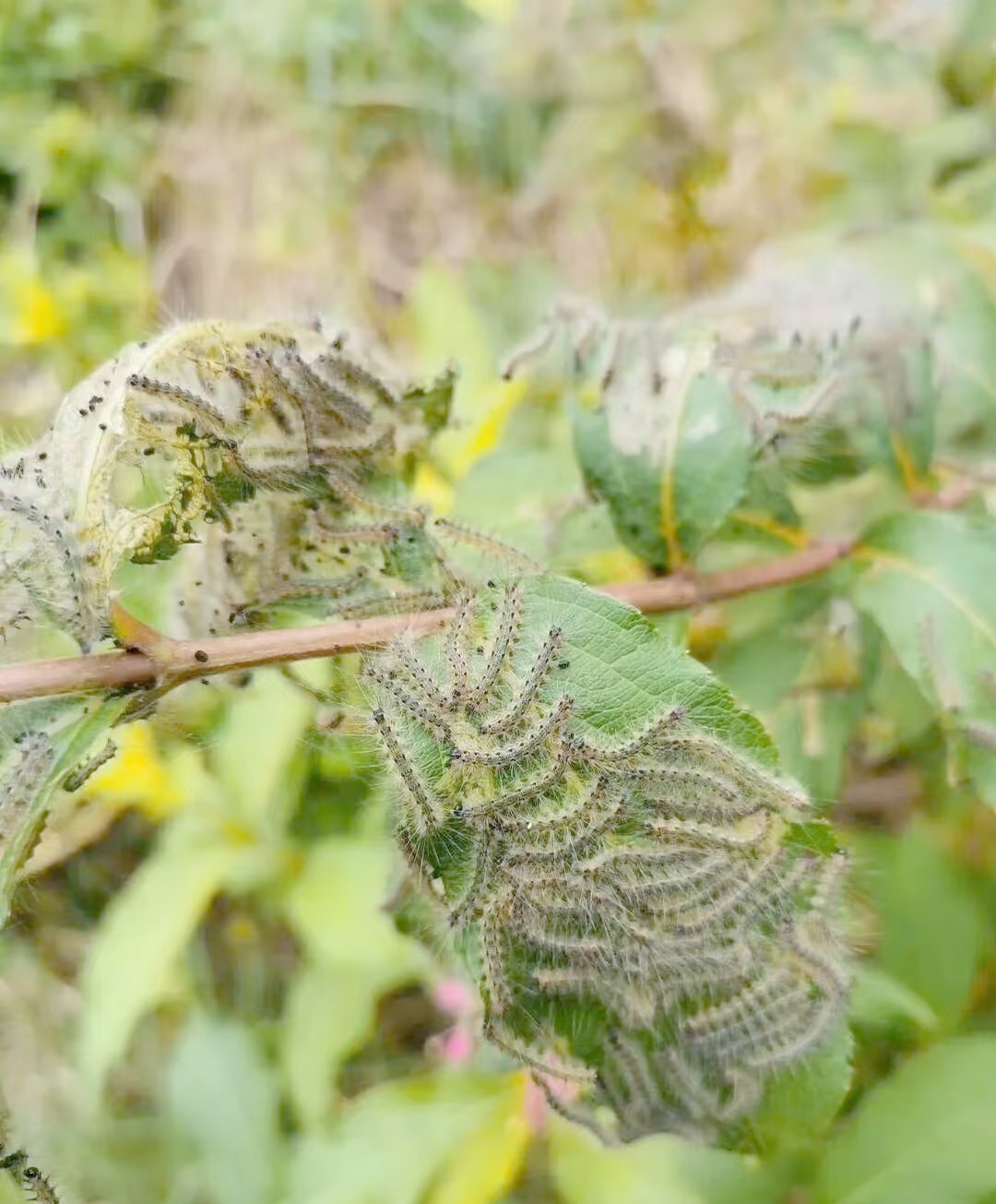
Beijing has a caterpillar problem, and its chosen solution is a wasp army. The city has released nearly 700 million of them this year against the fall webworm — an invasive moth from North America whose larvae drape trees in silk webbing and strip leaves across the capital — and, from Monday, another 400 million will go out citywide. The campaign trended on Weibo over the weekend as residents traded photos of caterpillars massing on leaves and webs wrapping whole branches.
The insect in question is the American white moth (美国白蛾), a textbook invasive species that arrived in China decades ago and feeds on more than 80 kinds of trees and crops. In Beijing it favours ash, mulberry and plane trees, and in bad years can skeletonize a tree until only the veins remain. Officials were quick to reassure residents that the caterpillars carry no toxin, do not bite and spread no disease — though allergy-prone people are advised to keep their distance.
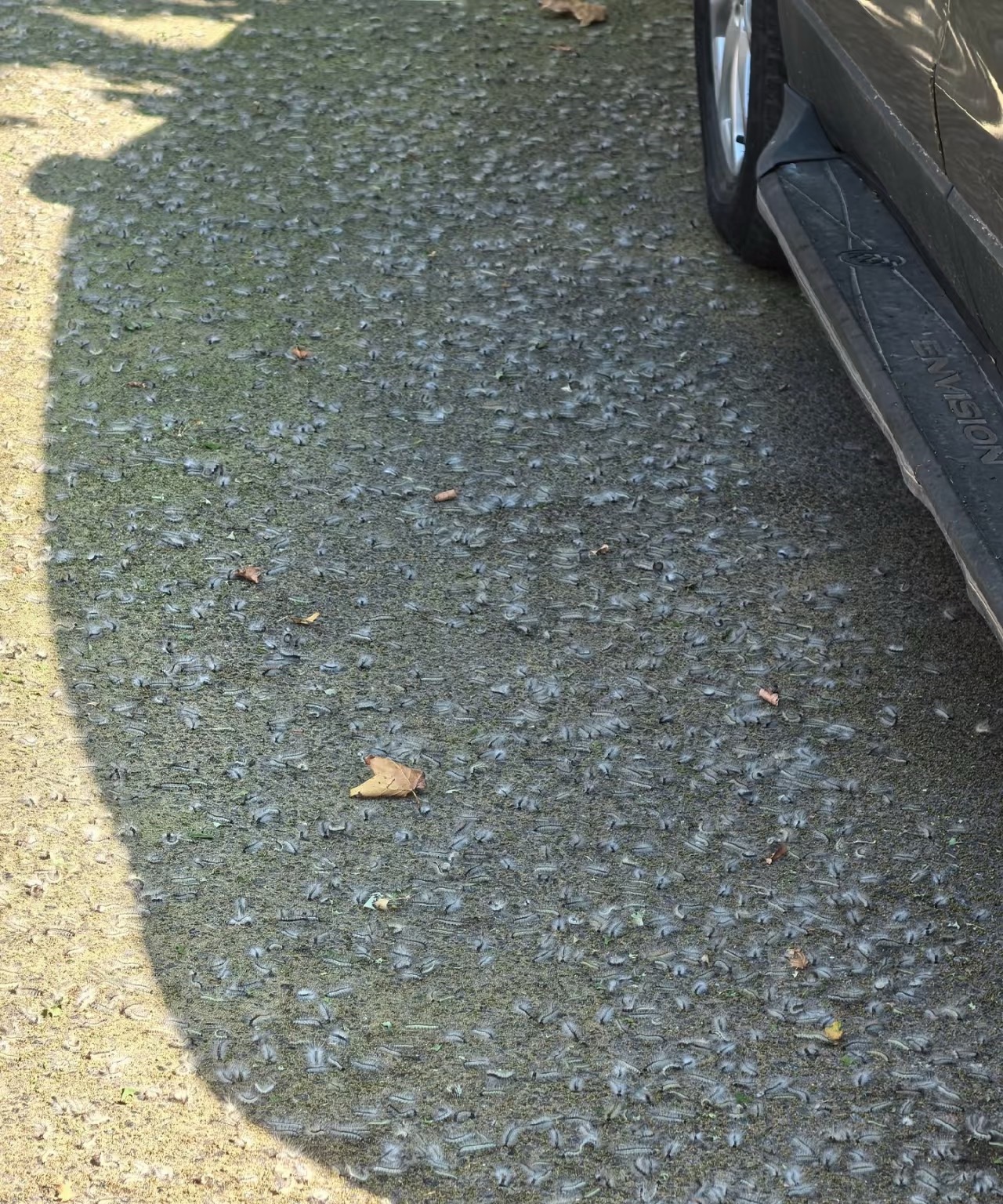
Why this year? The city's forestry protection center told Beijing Daily that the moth overwinters as a pupa, and successive warm winters have lifted survival rates; after decades of national monitoring, 2021 was the last peak and the cycle has crested again. A rainy flood season then compressed the window for spraying, and the moth's overlapping generations mean newly hatched larvae keep arriving through September.
The wasps — Chouioia cunea, a species less than a millimetre long — attack the pupal stage: they find the cocoon and lay their eggs inside it, and the next wasp generation emerges where the moth's would have been. They are one part of an integrated campaign that also includes hand-cutting the silk nests out of trees, wrapping trunks in corrugated paper to trap descending larvae, pheromone traps and light traps, and targeted low-toxicity spraying; for tall plane trees the city has begun injecting micro-doses of insecticide through drill holes, an effect that lasts four months.
Officials are candid about the weak link: forest pest control follows a "whoever manages the land treats it" rule, and if one compound or landlord skips its turn, moths repopulate the whole neighbourhood from that gap. Residents who spot the white webs are told to call the 12345 city hotline with a location and tree species. On Weibo, an explainer post that walked through the biological-control logic — the wasps have no sting, pose no risk to people or pets, and do far less ecological damage than blanket spraying — framed the tiny cocoons now visible on Beijing trunks as "the arsenal of little pest-fighting soldiers," and reminded readers not to pick them off.