Health Has No Overtime: Blackie Chen's Heart Attack Puts the Sleep-Deprived Workplace on Notice
Blackie Chen, the Taiwanese TV host who founded the P. League+ basketball association, survived a heart attack and told followers his doctor blames years of sleeping three or four hours a night. His three-point plea from a Taipei hospital bed — take fatigue seriously, learn the symptoms, schedule sleep like work — has struck a nerve on Chinese social media.
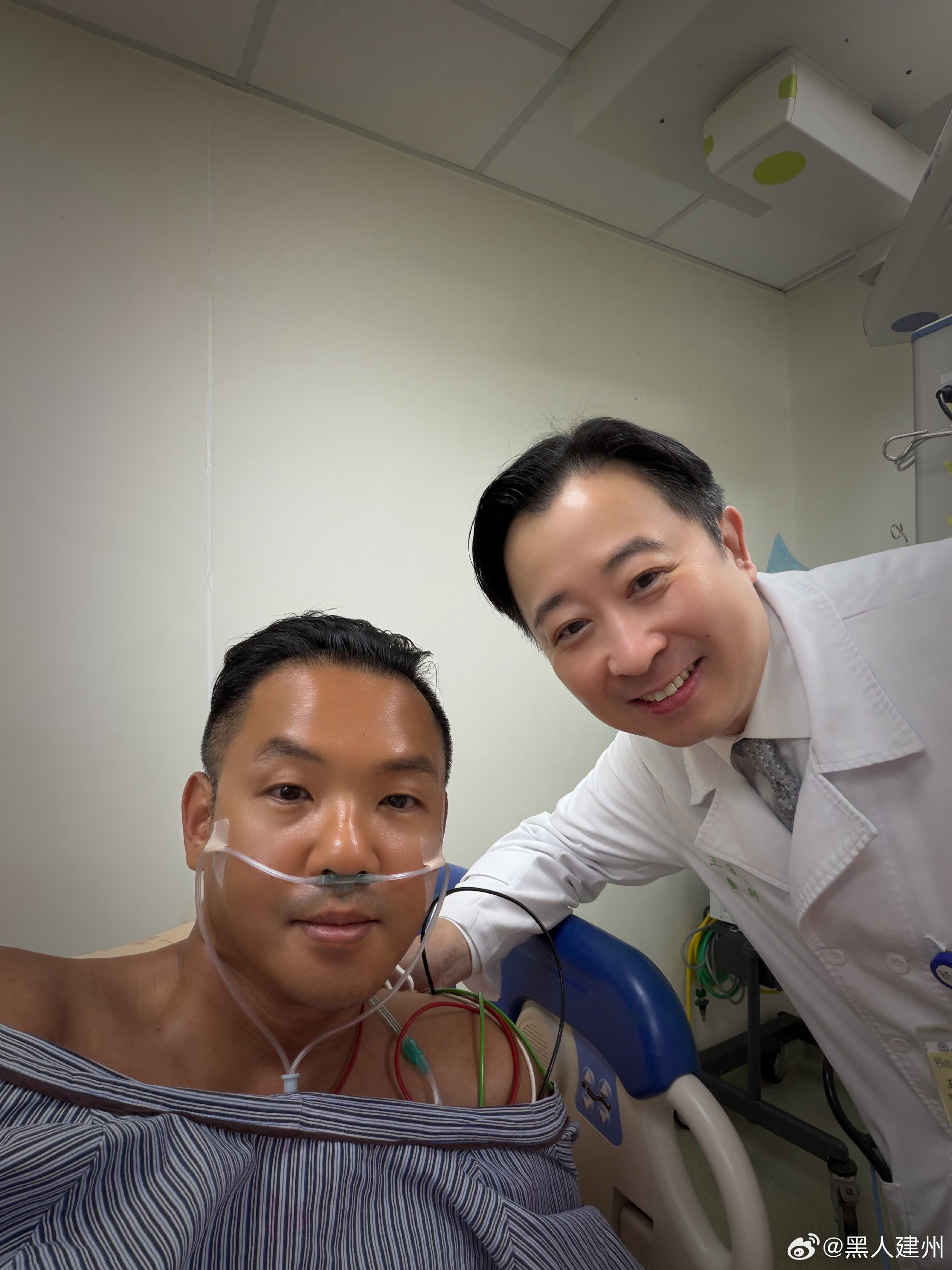
On September 17, Blackie Chen — the Taiwanese television personality who founded the P. League+ basketball association — posted a letter from a hospital bed at National Taiwan University Hospital in Taipei. "This time I really did walk past the gates of hell," he wrote. Two days earlier, standing on a basketball court, he had felt his chest tighten "as if a large stone were pressing down," the pain running through his back, every breath a struggle. He assumed he was simply tired.
The emergency room disagreed. Nurses who saw his electrocardiogram, Chen wrote, changed demeanor at once: the reading's risk index was so high that an ambulance transferred him within minutes. Doctors found one coronary artery completely blocked and placed a stent in a procedure that, from ambulance to finish, took about ninety minutes. His physician, Wang Tsung-tao, called it a textbook acute myocardial infarction and described the work as racing the god of death for time.
The iron man who never slept
The puzzle for readers was that Chen, 43, looks like the picture of health. He does not smoke, does not drink and does not do the late-night business banquets that Chinese corporate culture romanticizes. What he did have was a six-year sleep debt. Since launching the P. League+ in 2020, he wrote, he had regularly slept three or four hours a night, answering league messages at 2 a.m. and getting up at six to take his children to school. "I thought I was an iron man and could hold on." His doctor told him that chronic sleep deprivation was probably the single most important cause of the attack — raising blood pressure, fueling inflammation in the blood vessels, destabilizing the autonomic nervous system. Even without tobacco or alcohol, the heart is still being overworked.
From his recovery bed, Chen asked readers for three things. Take fatigue seriously, because tiredness "is the body calling for help." Learn the symptoms of a heart attack — chest pain or tightness lasting more than fifteen minutes, pain spreading to the left shoulder, jaw, neck or back, cold sweat, nausea, shortness of breath — and call emergency services instead of enduring it. And "treat sleep as the most important job," scheduling it like a meeting, six to eight hours a night: "not laziness, but maintaining your heart." He closed with a line that mainland readers immediately adopted: work can be pursued and games can be played late, but health has no overtime.
A conversation the mainland recognized
On Weibo, where the letter was liked more than 12,000 times, the response was less about the celebrity than the confession's universality. "In an era when everyone is running short on sleep, being able to sleep well is already half the win," one popular comment read — going on to call sleep the rare habit that pays off both immediately and, like compound interest, over time. Mainland news accounts rounded out the letter with expert guidance: Wang Shiqi, a cardiologist at the First Hospital of Ningbo University, told Qianjiang Video that dangerously narrowed arteries can exist for years without symptoms, and that the warning signs of the preceding month — chest discomfort on stairs or while carrying loads — are frequently mistaken for stomach or nerve trouble.
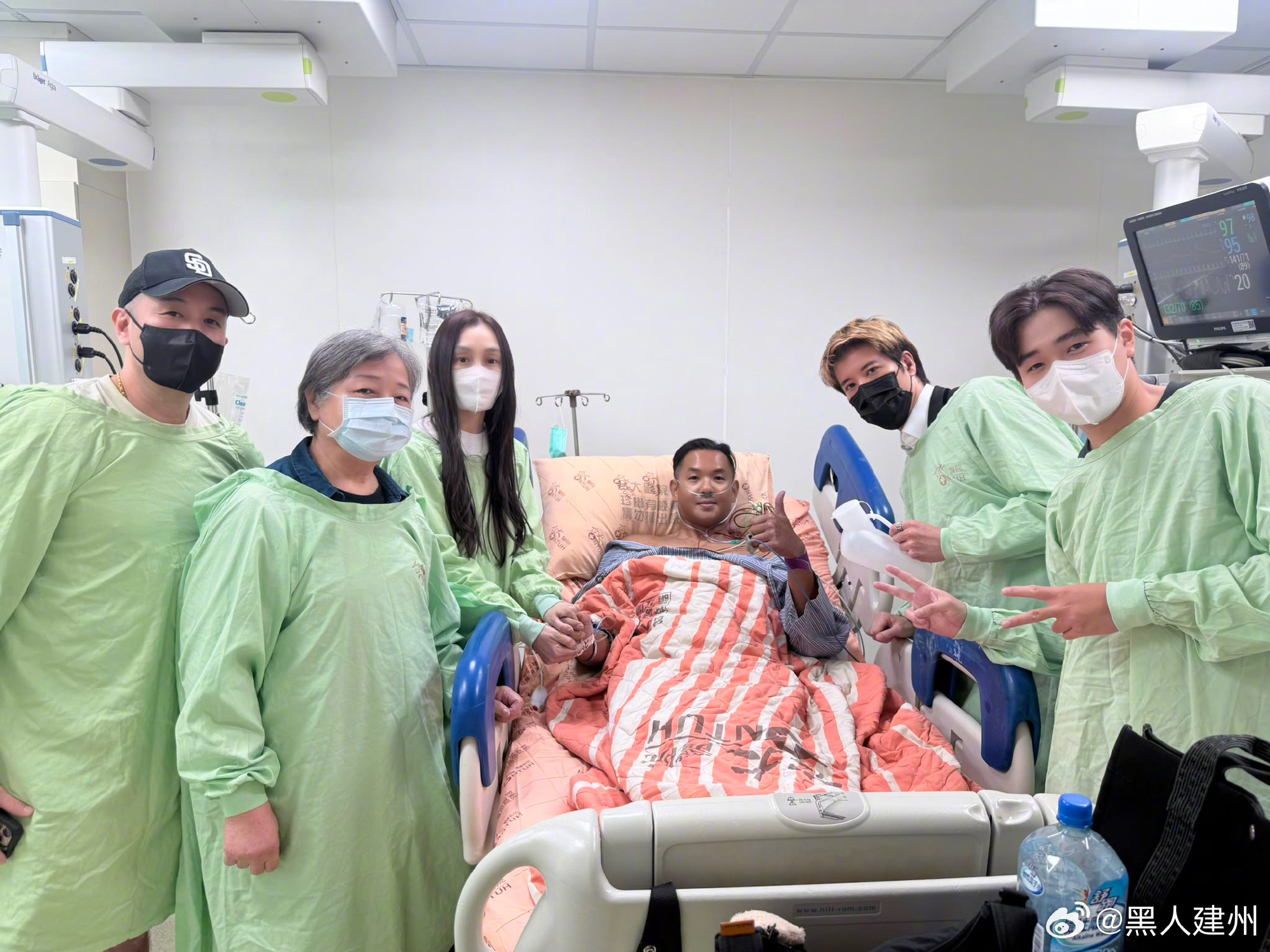
By the next morning the story had jumped platforms, with Baidu's trending board carrying photographs of friends gathered at Chen's bedside. His letter's final request asked to be forwarded "to that friend around you who least likes to sleep and works the hardest. You might save a life." On both sides of the strait, thousands did exactly that.