Box Office Success: A Reflection of Audience Preferences in the Chinese Film Industry
The success of a movie at the box office is a complex phenomenon that reflects a combination of factors, including the quality of the film, marketing strategies, audience preferences, and cultural context. In the case of the animated movie "哪吒之魔童闹海" (Nezha: Magical Child of the Sea), its impressive box office performance, with a predicted final ticket sales of around 68 billion yuan, can be attributed to several key factors.
Firstly, the film's unique blend of traditional Chinese mythology and modern animation techniques has resonated with audiences, offering a fresh and exciting cinematic experience. The movie's director, Yu Yang (also known as "饺子"), has been praised for his meticulous attention to detail and innovative storytelling approach, which has helped to set the film apart from other animated movies.
Secondly, the film's production team has invested significant time and effort into crafting a compelling narrative, with a script that was developed over a period of two years. This dedication to storytelling has paid off, with the movie receiving widespread critical acclaim and a high rating of 8.6 on the Chinese review platform Douban.
Thirdly, the film's use of cutting-edge visual effects and imaginative action sequences has helped to create a thrilling and immersive experience for viewers. The movie's total number of characters, including 2 billion in a single scene, is a testament to the team's ambition and technical prowess.
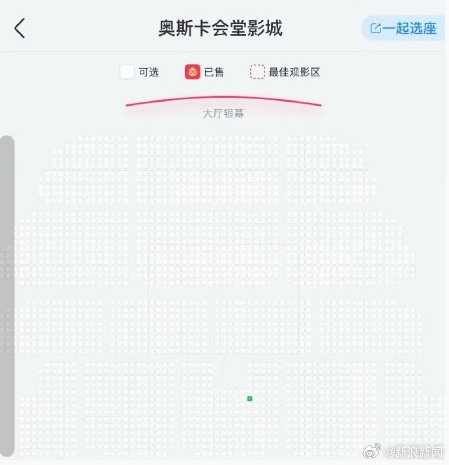
Lastly, the film's release during the 2025 Spring Festival period, a peak season for movie-going in China, has contributed to its commercial success. The movie's distributor has also adopted a flexible scheduling approach, with some theaters showing the film up to 99 times a day, to meet the high demand from audiences.
The box office performance of a movie is often seen as a reflection of the audience's preferences and tastes. While it is true that ticket sales do not necessarily determine the quality of a film, they can indicate what types of movies are resonating with viewers. In the case of the recent Chinese film "Ne Zha 2," its impressive box office numbers suggest that audiences are drawn to high-quality productions with engaging storylines and memorable characters.
The movie's success can be attributed to its meticulous attention to detail, with every frame and line of dialogue carefully crafted to create an immersive experience. The film's ability to balance artistic merit and cultural significance has also contributed to its widespread appeal. By prioritizing the audience's needs and preferences, the filmmakers have been able to create a movie that not only entertains but also resonates with viewers on a deeper level.
Moreover, the film's high rating on review platforms such as Douban, with an average score of 8.5, further underscores its quality and appeal. Audiences have praised the movie for its innovative storytelling, stunning visuals, and memorable characters, demonstrating that it has exceeded expectations and set a new standard for Chinese animation.
The success of "Ne Zha 2" serves as a reminder to filmmakers that prioritizing quality and respecting the audience's tastes is essential for creating a successful movie. By focusing on crafting a compelling narrative, developing well-rounded characters, and incorporating cultural significance, filmmakers can increase their chances of producing a hit film that resonates with audiences.
The film's script was crafted over a period of two years, with a focus on imagination and creativity. The director, 饺子, and the total producer, 王竞, aimed to build upon the innovative elements that made the first installment, "哪吒之魔童降世" (Ne Zha: The Devil Boy), a huge success. They hoped to provide new and exciting experiences for the audience, even with familiar characters. This dedication to creative storytelling has clearly resonated with viewers, contributing to the film's popularity.
Furthermore, the film's special effects have set a new standard for Chinese animation movies. The team faced significant challenges, particularly with the animation of water, which is notoriously difficult to render convincingly. One notable scene, where the sea is opened, required meticulous attention to detail, with the sea surface spanning 5000 meters in diameter and a depth of 3700 meters. The complexity of this scene and others like it have pushed the boundaries of what is possible in Chinese animation, further enhancing the film's appeal.
The movie's visuals are also noteworthy for the sheer number of characters depicted in certain scenes, with some frames featuring as many as 200 million characters. This level of detail adds to the film's epic feel and has helped to captivate audiences. The combination of engaging storytelling, cutting-edge special effects, and meticulous attention to visual detail has made "哪吒之魔童闹海" a standout at the box office, reflecting the audience's desire for high-quality, imaginative cinema.
As the Chinese film industry continues to grow, it faces increasing challenges in terms of competition, audience expectations, and technological advancements. The recent success of 《哪吒之魔童闹海》 (Ne Zha: The Devil's Child) has set a new benchmark for Chinese animated films, with its impressive box office performance and high production quality.
However, this success also highlights the challenges faced by the industry. The film's total production time, including scriptwriting, took over two years, and the final product had to undergo numerous revisions to meet the high standards set by the first installment. The pressure to deliver a high-quality film is immense, and the industry is facing a shortage of talented professionals who can meet these demands.
Furthermore, the rise of streaming platforms and online content has led to a shift in audience viewing habits, with many opting for shorter, more fragmented content. This has resulted in a more competitive market, where films need to be not only well-made but also well-marketed to stand out.
In response to these challenges, the industry is adapting by investing in new technologies, such as advanced special effects and animation techniques. For example, 《哪吒之魔童闹海》 features impressive visual effects, including a scene where the sea is parted, with a diameter of 5000 meters and a depth of 3700 meters. The film's success demonstrates the potential for Chinese animation to compete on the global stage.
To achieve long-term success, the industry must prioritize quality over quantity, focusing on producing well-crafted stories with high production values. This requires a collaborative effort from filmmakers, producers, and distributors to create a sustainable ecosystem that supports the development of high-quality films.
Ultimately, the future of the Chinese film industry depends on its ability to innovate, adapt, and respond to changing audience demands. By investing in talent, technology, and quality storytelling, the industry can continue to thrive and produce films that resonate with audiences both domestically and internationally.