Why Chinese Drama Titles Now Sound Like a Milk-Tea Menu
A viral complaint that China's new television dramas are 'all milk-tea names' — poetic, pastel and past explanation — has turned into the internet's favourite naming game, and a small argument about what television titles are for.
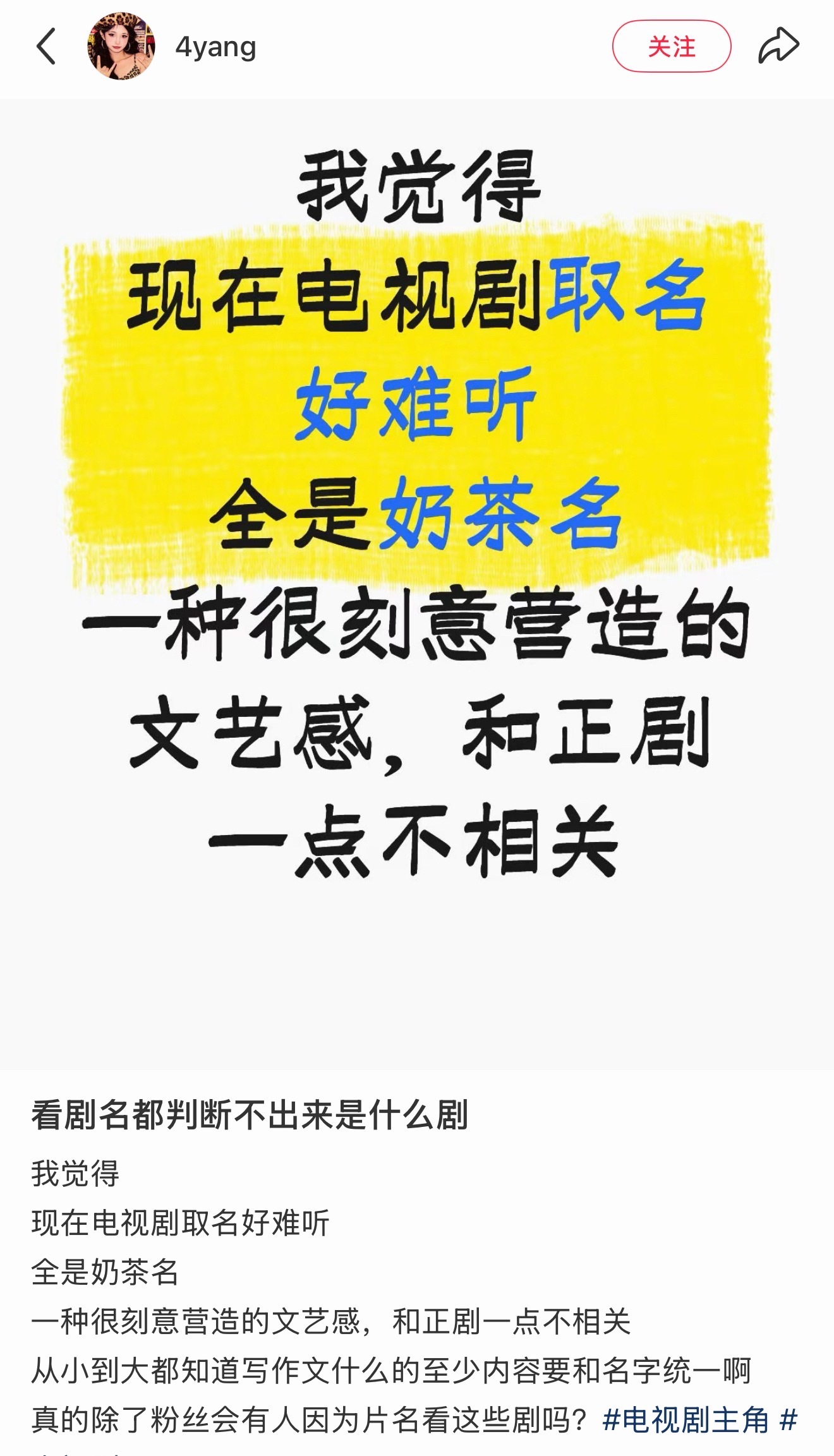
"I think drama titles these days sound awful," a Chinese television viewer named 4yang wrote on Weibo, in a post that has been screenshotted and passed around the platform for days. "They're all milk-tea names — a deliberately manufactured artsy feel that has nothing to do with the actual show." The post's caption added the practical objection: "You can't even tell what kind of drama it is from the title." A relay of the complaint has been liked more than 12,000 times, and the gripe has since been taken up under a Weibo television-industry hashtag and turned into a game.
The game works like this: take a drama's title, imagine it on the menu of a bubble-tea chain, and specify the drink. Users found the titles map onto drinks almost too well — the poetic four- and five-character names that dominate current slates sound, as one poster put it, like the menu of Bawang Chaji (霸王茶姬), the tea chain whose drinks carry exactly that register of breezy classical elegance. In the recaps, brooding costume-drama titles became light fruit teas with flower petals; family dramas became thick milk bases. The names promise a mood, and a mood is easier to order than a plot.
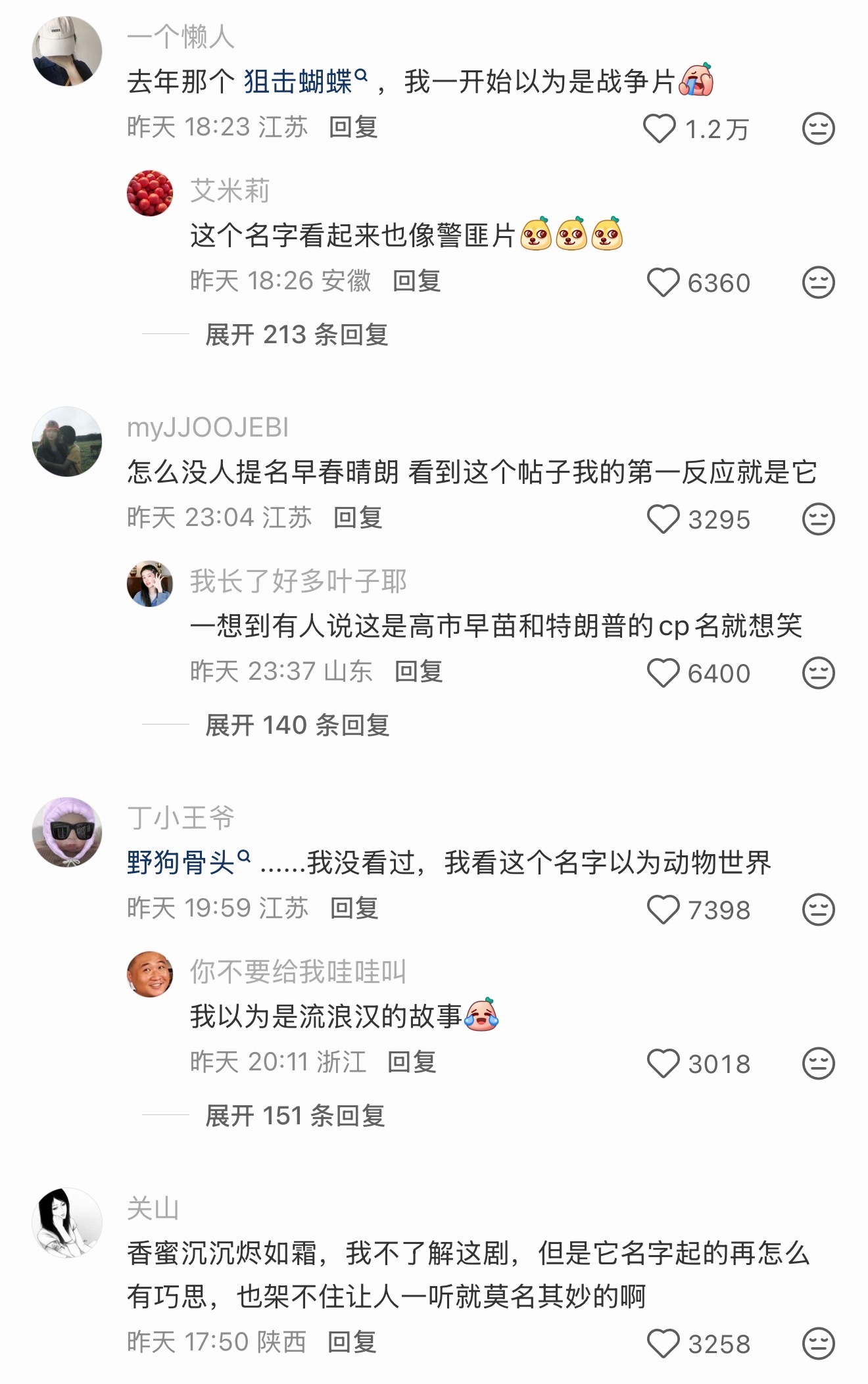
The comment sections under the screenshots supply the evidence. "That 'Sniper Butterfly' from last year — at first I thought it was a war film," one user wrote. "Wild Dog Bones... seeing that name I thought it was Animal World," offered another, of a show that is not about dogs. Someone else nominated "Early Spring Sunny," a title that describes weather and nothing else. The joke lands because it is accurate: read cold, most of these titles tell you the atmosphere but not the genre, the plot or even the century.
Older hits named their business plainly — the apartment sitcom, the revenge drama, the period family saga — which is part of why holiday rewatches keep circling back to them; a Weibo television account's holiday list of old dramas worth revisiting runs on titles that announce themselves. The Chinese internet's taste for pulling language apart is well documented, and this game is a cousin of that habit: readers testing how far a phrase stretches before it means nothing. Even the game's players concede the names are doing what they were designed to do — selling an aesthetic before a story. As one commenter put it, apart from the fans, who would start a show because of a title like that? Judging by the threads still adding nominations, nobody — and the studios may be content all the same, because the title's real job is to look right next to a poster, a trailer and a drink.