Celebrating the Dragon Boat Festival: A Joyous Occasion of Tradition and Togetherness
The Dragon Boat Festival, one of China's four major traditional festivals, is a joyous occasion for celebration and merriment. However, when it comes to wishing others well on this day, there is some controversy over the proper way to do so. Some people argue that it's more appropriate to say "端午快乐" (Happy Dragon Boat Festival), while others believe that "端午安康" (Peaceful Dragon Boat Festival) is a more suitable greeting. In reality, both expressions are acceptable, as the festival's original purpose is to promote joy, celebration, and well-being. In fact, ancient Chinese poetry often depicts the Dragon Boat Festival as a time of happiness and harmony. With the festival now being a national holiday, there's even more reason to rejoice. So, whether you say "端午快乐" or "端午安康", the most important thing is to express your good wishes to others on this special day.
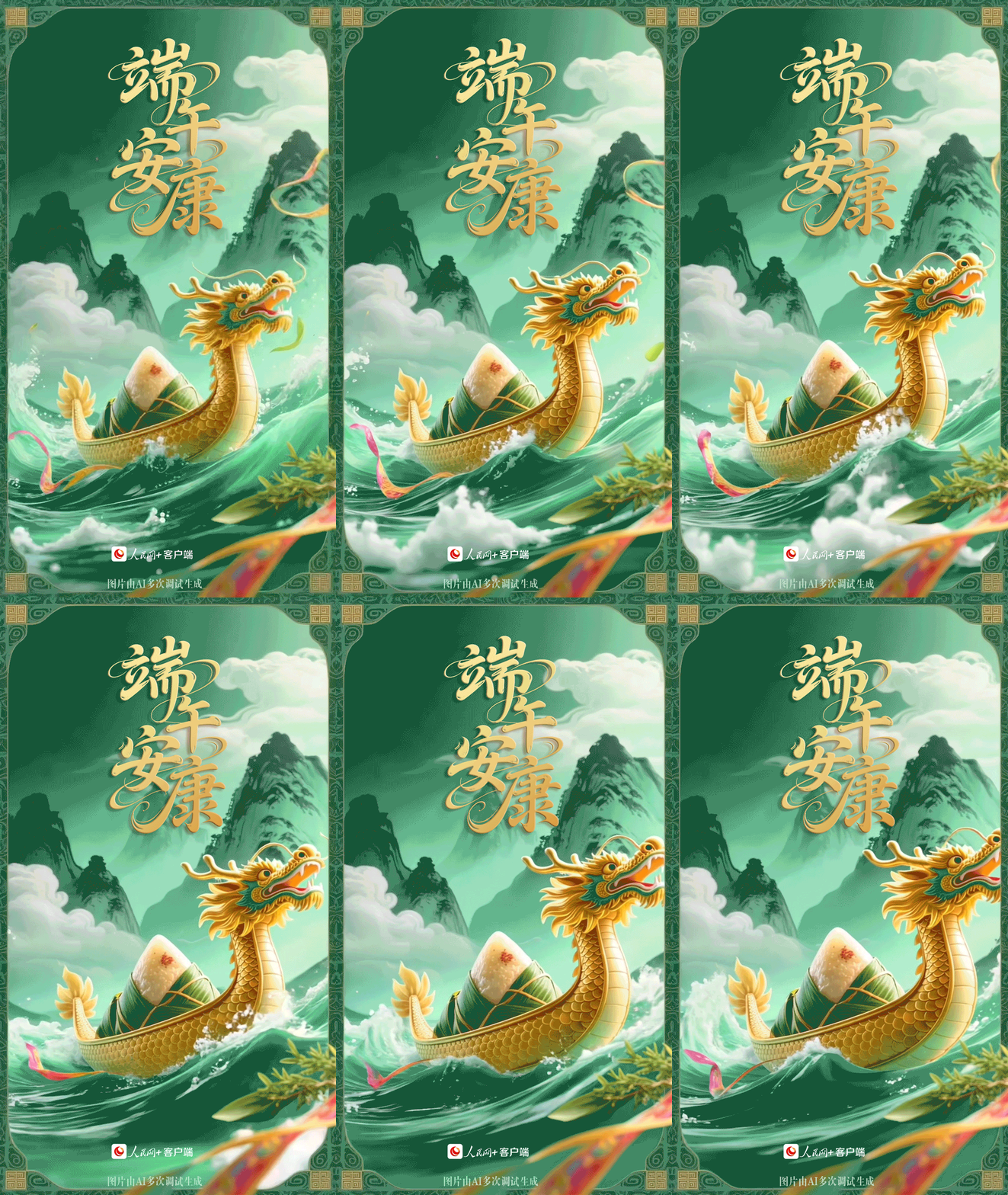
The Dragon Boat Festival has a rich history and cultural significance in China, dating back to the Warring States period, when it was celebrated as a ritual to ward off evil spirits and diseases. Over time, the festival became associated with the legendary poet Qu Yuan, who is said to have drowned himself in a river as a form of protest against the corruption of the Chu State. According to legend, the local people, who admired Qu Yuan, searched for him in boats, throwing rice and other food into the water to feed the fish and prevent them from eating his body. This legend has evolved into the modern-day tradition of eating zongzi (glutinous rice dumplings) and participating in dragon boat races. The festival has also been influenced by other cultural and historical factors, including the commemoration of other historical figures, such as Wu Zixu and Cao E, and the ancient ritual of worshiping the dragon totem.
As the festival approaches, people come together to celebrate the arrival of summer, to promote health and well-being, and to honor the legacy of Qu Yuan and other cultural heroes. The festival's traditions, including dragon boat racing, eating zongzi, and wearing fragrant sachets, continue to be an integral part of Chinese culture and identity. Today, the Dragon Boat Festival is celebrated not only in China but also in other countries and regions around the world, and has been recognized by UNESCO as an Intangible Cultural Heritage of Humanity.
When it comes to wishing others well during the Dragon Boat Festival, experts suggest that both "端午节快乐" (Happy Dragon Boat Festival) and "端午节安康" (Peaceful Dragon Boat Festival) are acceptable. The key lies in conveying the sentiment of goodwill and care. In essence, the choice between the two phrases depends on personal preference, as both are used to express warm wishes during this traditional holiday. "端午节快乐" emphasizes the joy and happiness associated with the festival, while "端午节安康" focuses on the aspects of peace, safety, and well-being. Ultimately, the most important aspect is not the specific phrase used, but the genuine intention behind it - to extend kindness, concern, and festive cheer to others during this significant cultural celebration.
As a national holiday, the Dragon Boat Festival brings people immense joy, allowing them to unwind and bask in the festivities' delight and serenity. The occasion serves as a catalyst for leisure and entertainment, fostering a sense of community and camaraderie. With the holiday's rich historical background and cultural connotations, it has evolved into an integral part of China's heritage, symbolizing the nation's reverence for its ancestors and its people's unwavering spirit. The festival has taken on a new meaning, with people from all walks of life participating in dragon boat racing, traditional folk activities, and cultural events. It has become an opportunity for individuals to reconnect with their roots, appreciate the beauty of nature, and promote environmental awareness. As people come together to celebrate this joyous occasion, they are reminded of the importance of preserving their cultural heritage and promoting harmony between humans and the natural world.
The Dragon Boat Festival's modern significance extends beyond its historical origins, encompassing a broader message of unity, cultural appreciation, and environmental consciousness. As people continue to observe this ancient tradition, they are inspired to adopt a more sustainable and eco-friendly lifestyle, recognizing the intricate relationship between human existence and the natural world. Through its enduring legacy, the Dragon Boat Festival remains an integral part of China's cultural fabric, weaving a tale of tradition, community, and environmental stewardship that continues to captivate and inspire people around the world.