China's Annual Expo with ASEAN Reopens in Nanning, Built Around What ASEAN Wants
The 23rd China-ASEAN Expo opened in Nanning under the banner of the CAFTA 3.0 trade upgrade, with a first-ever exhibition zone built around ASEAN countries' stated needs — and Chinese firms showing humanoid robots, robot dogs and smart home tech as the answers.
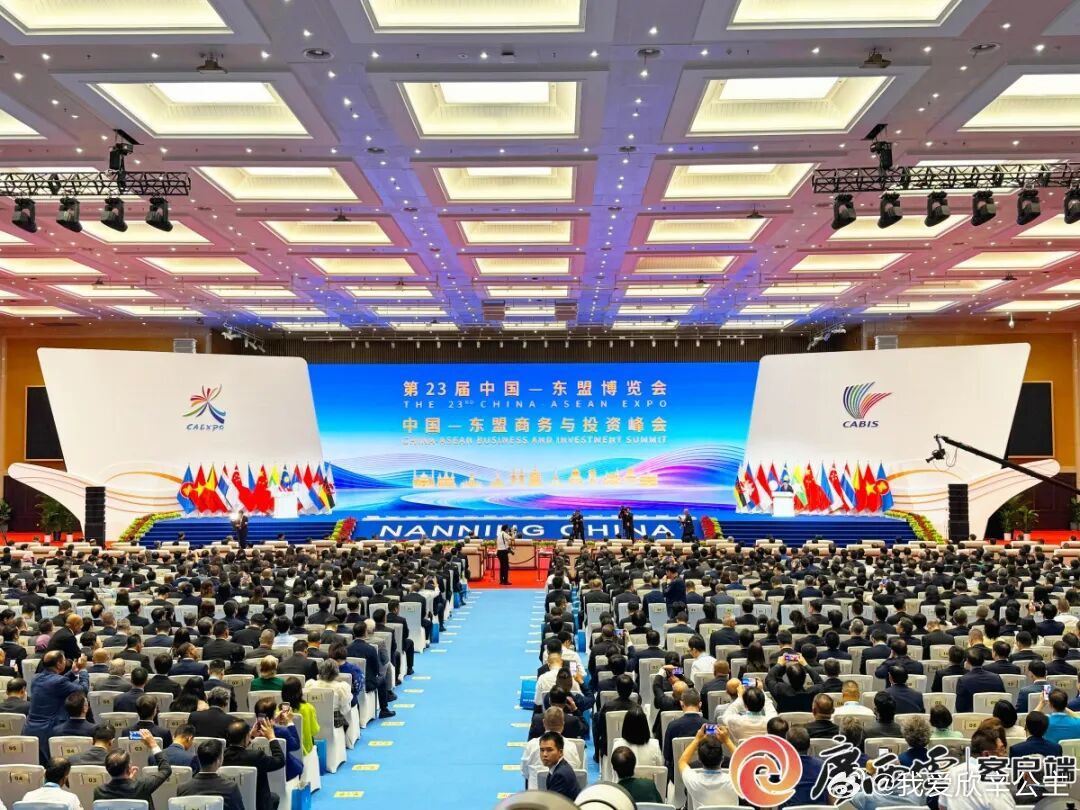
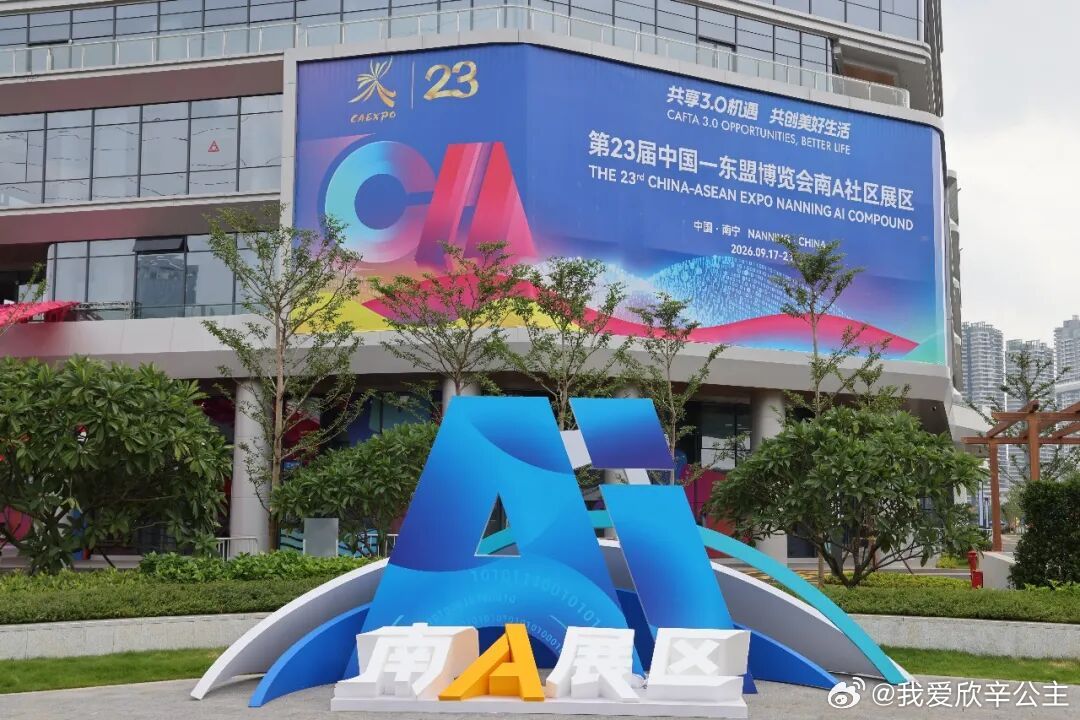
The 23rd China-ASEAN Expo opened in Nanning on Thursday with its most telling change hanging outside the hall: a screen emblazoned with "CAFTA 3.0 Opportunities, Better Life," beside a sculpture of the letters "A" and "I" taller than the visitors. The annual fair, which pairs China with the ten-member Association of Southeast Asian Nations in its frontier city of Nanning, is running this year under the banner of the third upgrade of their free-trade agreement — and, for the first time, around a new organizing idea.
That idea is a reversal of the expo's usual logic. A dedicated zone for ASEAN countries' needs appeared for the first time this year, and a Weibo post walking visitors through it argued the change is more than cosmetic: past editions were built around what Chinese suppliers wanted to sell, while this one asks "ASEAN countries to set the exam questions and Chinese companies to solve them" (东盟国家出题、中国企业解题). The post — one of the most discussed about the expo, with more than 500 comments — framed it as the event "upgrading its operating logic" from supply-driven to demand-driven.
What Chinese companies put on display was, characteristically, machinery. Guangxi Daily's camera toured the AI and embodied-intelligence hall with Hangzhou-based Unitree, whose humanoid robots and robot dogs performed rescue drills, kung fu and dance routines — and demonstrated more domestic talents, making sandwiches, washing vegetables and tidying up a home. For an audience of Southeast Asian trade delegations, the message was less novelty than capability: this is what Chinese robotics firms are ready to sell, install and service across the region.
The setting is not incidental. Guangxi has spent years positioning itself as China's land-sea gateway to ASEAN, and the corridor behind that pitch just acquired a centerpiece: the Pinglu Canal, which opened this month and gives the inland provinces of Yunnan, Guizhou and Sichuan a far shorter route to the sea, ending a two-decade break in navigation on the You River. At the expo, regional promoters were connecting the dots in public — one widely shared post on the waterway linked the canal to the Baise shipping hub still under construction, with goods bound for the Beibu Gulf and, from there, Southeast Asia.
China and ASEAN have been each other's largest trading partners for years, and the free-trade pact whose 3.0 upgrade anchors this year's expo is the framework both sides cite as their answer to a more protectionist world. The new demand-led format is a small edit to a big relationship — but an honest one about who is now the customer, and what they are being sold.