China's Factories Are Racing Ahead of Its Shoppers, August Data Shows
Industrial output jumped 5.2% in August while retail sales managed just 0.4% — a widening gap between what China makes and what its people buy. The country's data analysts spent the week explaining why both numbers are telling the truth.
China's economy in August was a tale of two speeds. On the same day this week, the National Bureau of Statistics reported that industrial output rose 5.2% year on year, the fastest pace in months, with high-tech manufacturing up 16.7% — while retail sales grew just 0.4%, and actually fell 0.13% compared with July. The gap between what the country's factories are doing and what its shoppers are doing is the clearest single picture of where China's economy stands, and Weibo's financial commentators spent the week reading the fine print so their followers wouldn't have to.
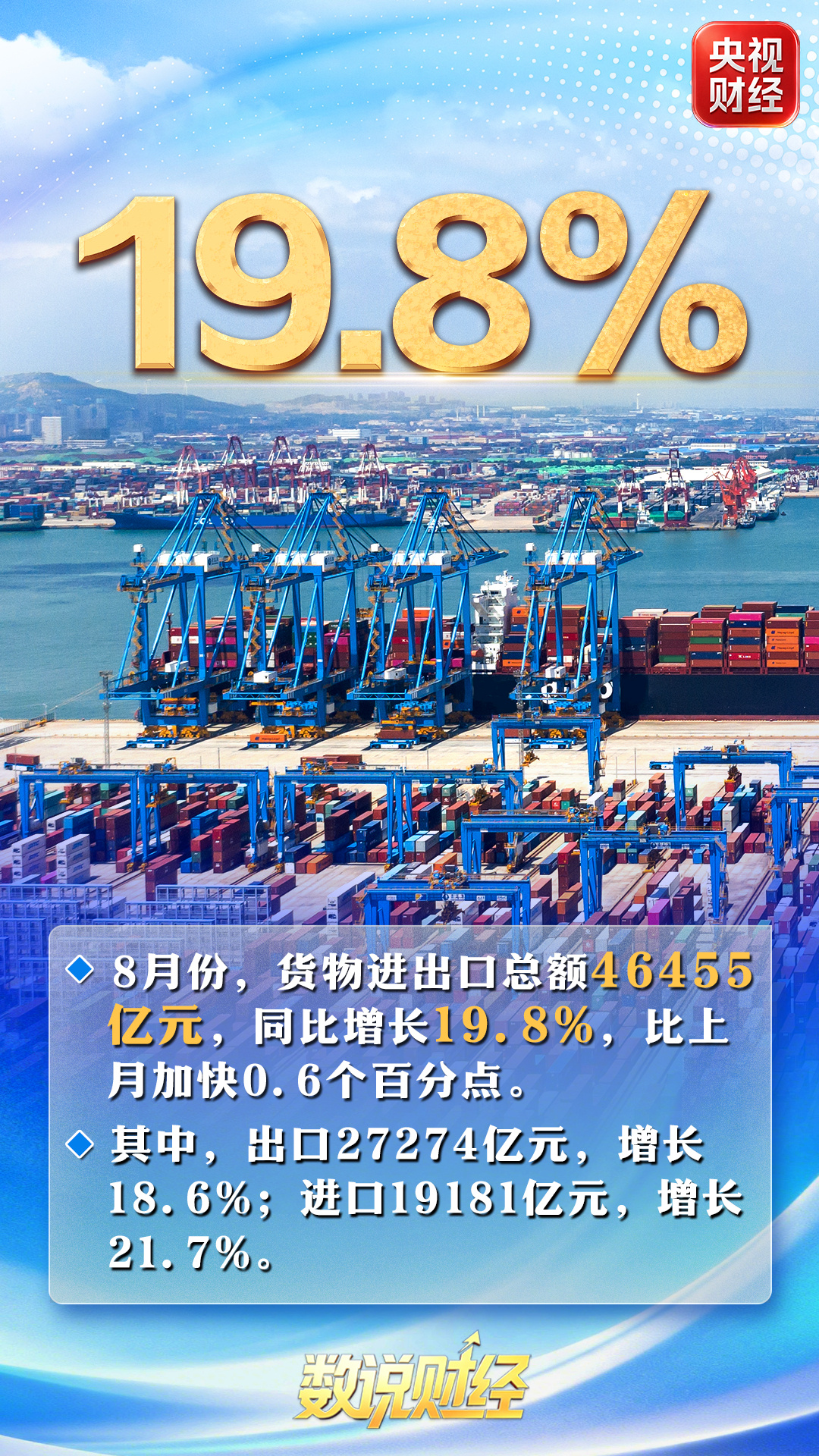
The production side is unambiguous. Equipment manufacturing grew 12.1%; output of industrial robots rose 57%. Exports were the other engine: total goods trade climbed 19.8% in August, with exports up 18.6% and imports up 21.7%, as new-energy vehicles and batteries shipped out and raw materials flowed in from Southeast Asia, Africa and Latin America.
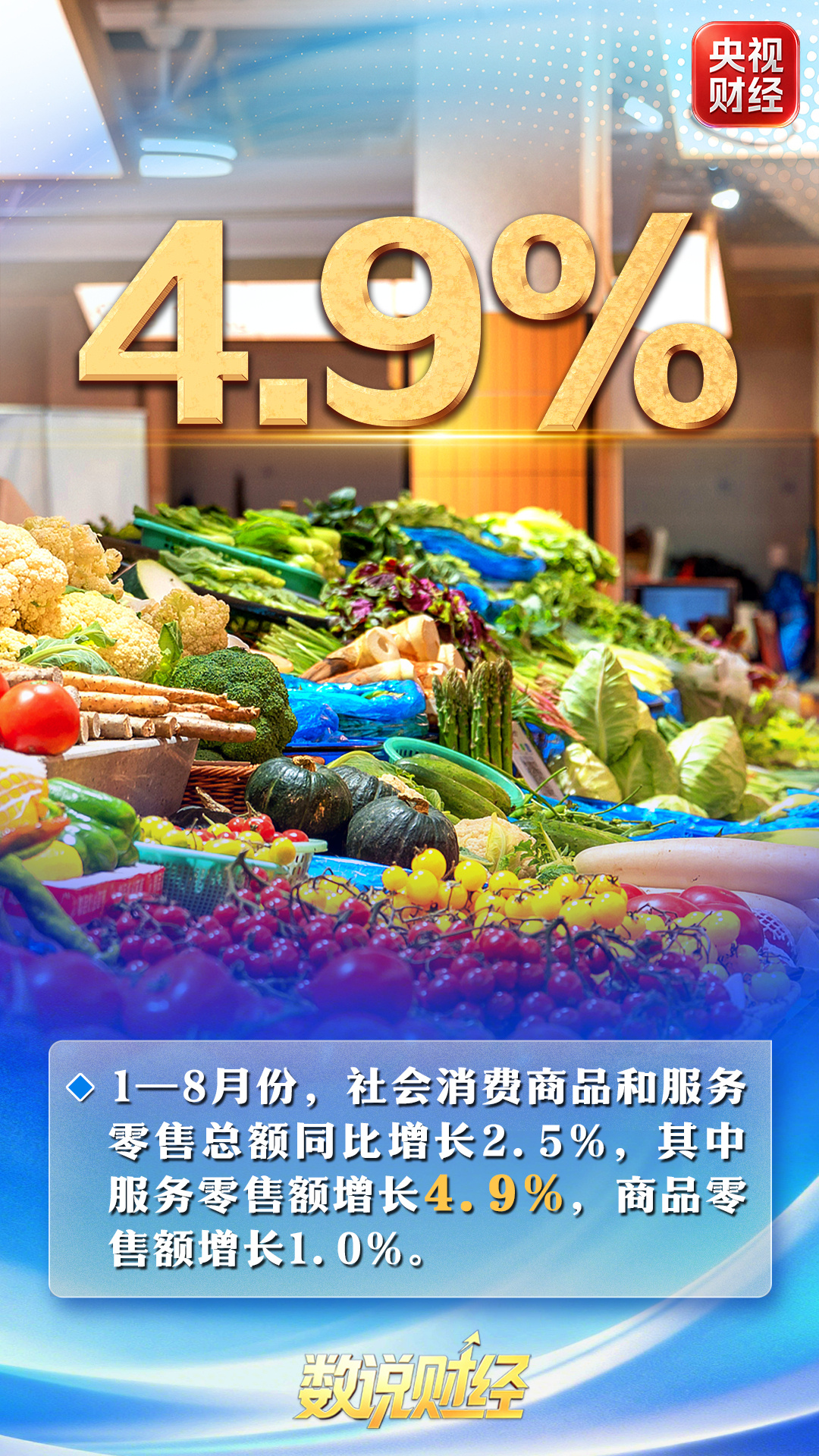
Consumption is where the divergence bites. Total retail sales in August were just under 4 trillion yuan, and the growth is not in goods — those rose 1.0% in the first eight months — but in services, up 4.9%: telecommunications, travel, sports and leisure. People are still spending, one commentator observed, but the money is moving "from buying things to buying experiences." Dining rose a modest 2.4%.
The price data tells the same story from another direction. Producer prices jumped 3.8% in August — mining products up 17.8% — but prices for consumer goods actually fell 0.5%. Costs are climbing at the factory gate and never reaching the shop shelf: competition is so fierce that manufacturers are absorbing the increases rather than passing them on. Core inflation, which excludes food and energy, sits at just 1.0%. Investment, too, is in retreat — fixed-asset investment fell 7.2% in the first eight months, though spending on intellectual-property products grew 9.2%.
The state broadcaster's business channel presented the figures under the banner "the national economy runs smoothly, development moves toward the new and the better," and its infographics — one per headline number — were widely shared. But the post that captured the mood among China's economically literate readers was blunter: "August's stability isn't an economy marching in step. It's one part offsetting another — new momentum rising while the old engine sinks — and the sum looks calm."
That is precisely the bet Beijing is making: that robots, chips, electric cars and exports can carry growth while households, squeezed by property losses and job insecurity, hold off on spending. The August data shows the first half of that equation performing — and the second half still waiting. Whether the two speeds converge, or the gap widens, is the question hanging over the autumn.