Chat Logs Undercut the 'Exploitative Advisor' Story After a Medical Student's Death in Guangzhou
When a doctoral student at Southern Medical University fell to his death in Guangzhou, Weibo decided within a day that an overbearing advisor was to blame — until the university's inquiry, chat logs and the student's own family said otherwise. The case has become a fresh test of how China's internet judges an advisor-student relationship it already expects to be abusive.
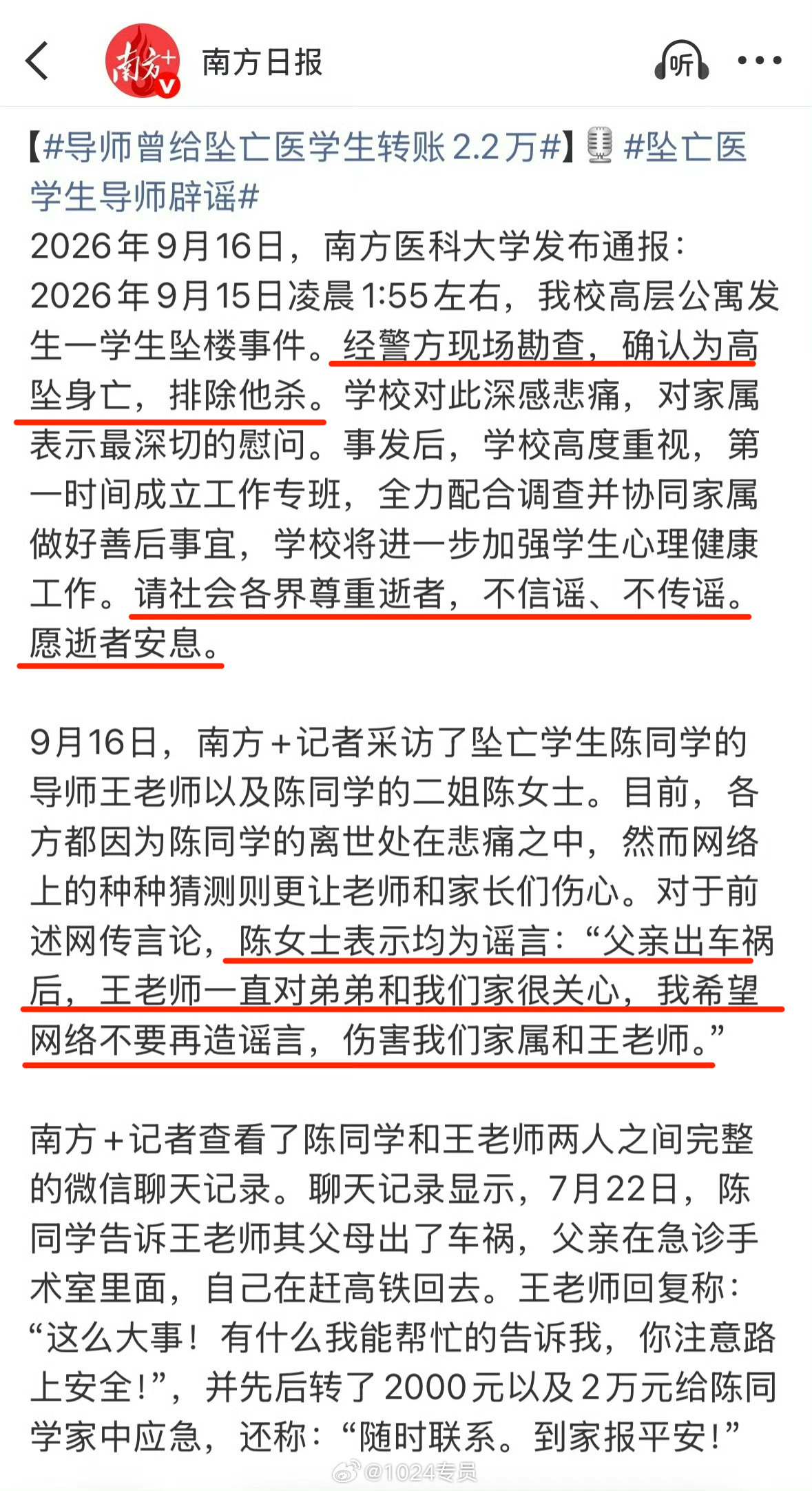
Three days after a doctoral student at Southern Medical University in Guangzhou fell to his death from a university apartment block, the story circulating online bore little resemblance to the one his family and the university tell. What began as a tragedy became a national argument about rumor, grief, and the assumptions Chinese students bring to the word "advisor."
[The rumors and the record]
The student, surnamed Chen, died in the early hours of September 15. Within a day, a familiar narrative had formed: an advisor who grudgingly granted three days' leave, parents both in intensive care after a car crash, a student crushed by an exploitative system. On Weibo, where a single post stating the advisor's case drew more than 100,000 likes, the story ran under hashtags about the chat logs — and then the logs undercut it.
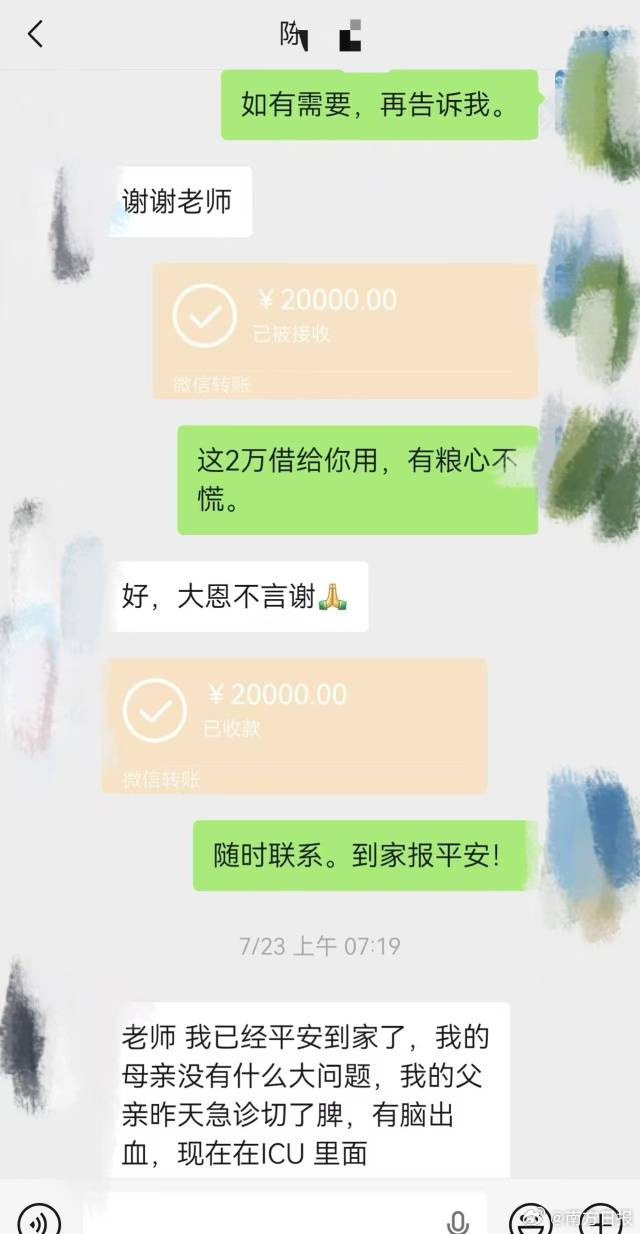
Interviews published by Southern Daily's news app found that Chen's father had been in a car accident and undergone surgery, and that his advisor, a teacher surnamed Wang, had transferred the family 2,000 and later 20,000 yuan, telling him not to give up. Chen's second sister, Chen, said the leave approval and the "parents both in ICU" claims were false: his mother's injury was a dislocation, his father has since left intensive care. Chen had considered dropping out; his research group met and suggested a leave of absence instead. Police have ruled out foul play, and the university says it has set up a dedicated team with the family.
[Why the story ran anyway]
The reversal did not end the argument; it moved it. Some posts argued the case shows how quickly the "advisor exploits student" template activates, one widely shared commentary asking how to hold rumor-mongers to account. Others pushed back: the facts of this case do not erase the reason the template exists, since plenty of Chinese graduate students do describe exploitative advisors — and, as some noted, a genuine victim now risks not being believed.
The case sits a week after our earlier piece on the advisor-student power imbalance, which examined how much unchecked authority Chinese advisors hold over their students' graduations. This story is different: it is about the speed of judgment. Even the family's statement, released through the media, is carried on Zhihu's front page, where the most-upvoted answers plead for waiting for evidence before the next tragedy trends.
The school's statement asks the public to "respect the deceased, do not believe or spread rumors." The harder question — why tens of thousands chose the accusation over the record — is the one China's internet is still litigating.