China Ends the Nagoya Asian Games With a Record 169 Golds
China closed the Nagoya Asian Games with 169 gold, 89 silver and 83 bronze medals — 341 in all, its best result at a Games held outside China and more than double the host's gold count.
By Saturday night in Nagoya, China's Asian Games delegation had run out of things to win. The 20th Asian Games still had a day of competition on the calendar, but no Chinese athletes were scheduled to contest it, and the medal tables were already settled: 169 golds, 89 silvers and 83 bronzes — 341 medals, first on both counts. It is the country's best result at any Asian Games held on foreign soil.
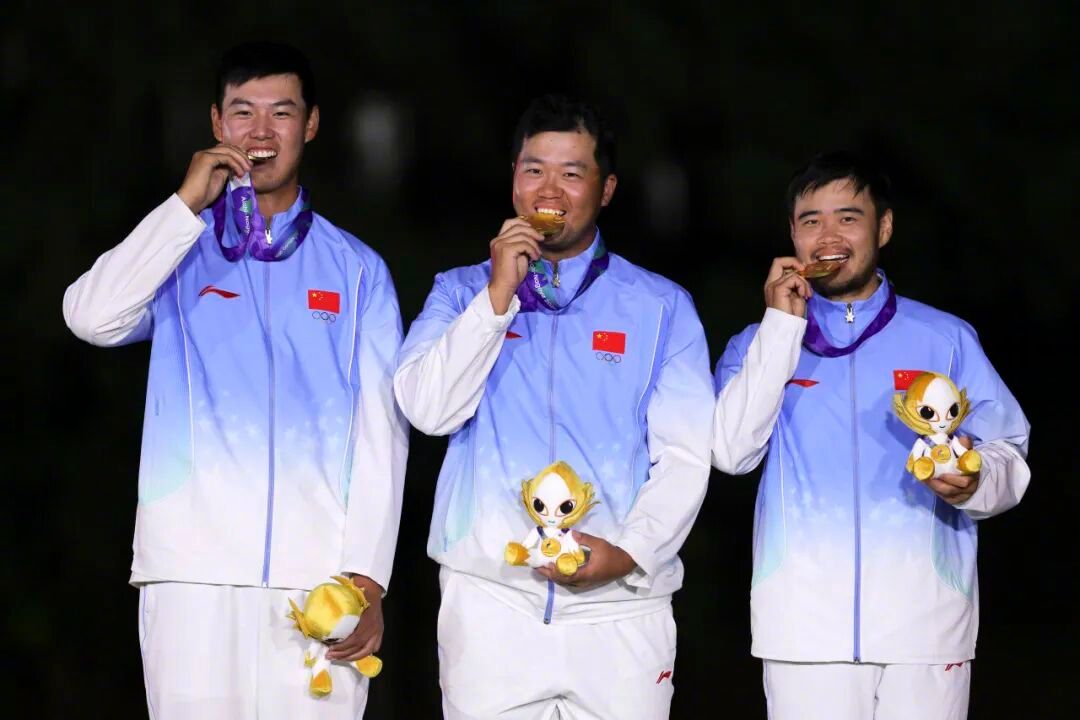
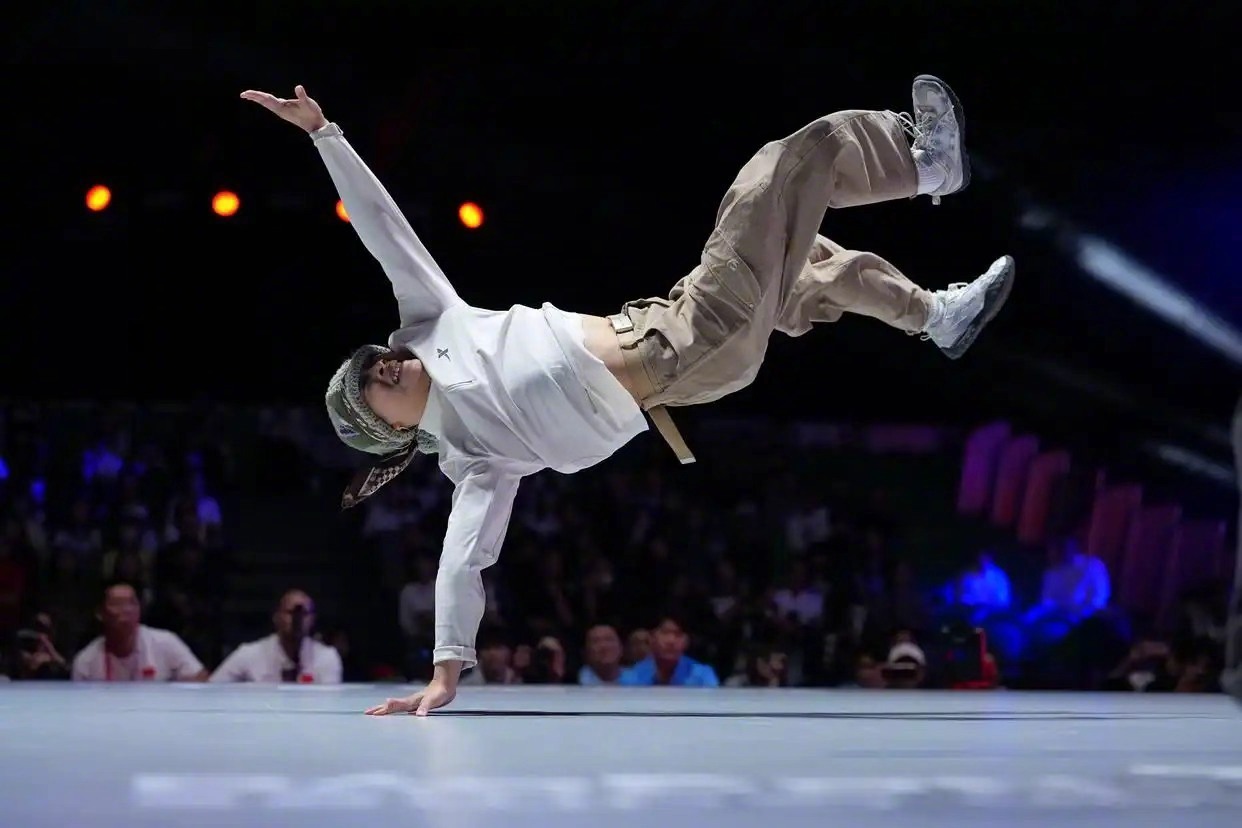
The previous away record had stood for twenty years. At Doha in 2006, China took 165 golds among 316 medals; the 2026 delegation passed that mark on Saturday afternoon, when the men's golf team event delivered the delegation's 166th gold of the Games. Part of the difference is arithmetic: Doha offered 424 events across 39 sports, Nagoya offers 469 across 43, and China entered 38 of them. But the breadth of the haul is the real story. It takes in the program's 100th Asian Games diving gold, a title Chinese divers have now held at every Games since 1974, and a men's football bronze that ended 28 years off the podium. Guo Pu's gold in women's breaking showed the newer disciplines are being collected too.
Reaction at home split between pride and accounting. The Chinese Olympic Committee posted its congratulations under the slogan 赛场有终章,拼搏无止境 — "the Games have a final chapter; the striving does not" — and was promptly audited by its own audience: one reply noted that the celebration poster appeared to slip a silver medal in among the golds while omitting a men's doubles title. Others found the dominance itself the funny part. "Of course they're congratulating us," one poster wrote of the committee. "China's about to wrap up all the golds — everyone else is just here for the music."
The scale has registered well beyond Weibo. The closing tallies led Baidu's hot boards, and a Zhihu question taking stock of the record carried a heat score above five million. South Korean media did the division instead: broadcaster CBS NoCut calculated that 38.5 percent of all golds decided by the final weekend belonged to China — as it put it, every day in Nagoya was a Chinese gold-medal day. One fan-business post chose a blunter comparison: China's 169 golds were more than double those of host Japan, won, as it put it, 在别人家门口赢得漂漂亮亮 — "beautifully, right on someone else's doorstep."
There was nothing left for Sunday. With no Chinese events on the Games' final day, the delegation ended its Nagoya work a day early, both tables settled before the closing ceremony could begin.