China's Refrigerator Magnet Frenzy: The Cultural Significance Behind the Phoenix Crown Sticker Craze
The recent frenzy over the "top-stream" phoenix crown refrigerator stickers at the National Museum has sparked heated discussions, with over 1 million units sold in just a few months. To get their hands on these coveted items, some people have been camping out online to snatch them up, while others have been lining up outside the museum's doors early in the morning. This frenzy is not just about the stickers themselves, but about the cultural significance and craftsmanship that they represent. The stickers' stunning design, which features over 100 pieces of gemstones and over 4,000 pearls, has captivated the hearts of many consumers.
The phoenix crown refrigerator stickers, designed after the museum's collection of Ming Dynasty imperial artifacts, have become the best-selling cultural and creative product in the museum's history. The museum has had to implement a queuing system to manage the demand, with some consumers lining up for hours just to get a chance to buy the stickers. The popularity of these stickers has also led to shortages, with many consumers unable to get their hands on them despite their best efforts.
The "抢凤冠冰箱贴" phenomenon, which translates to "rushing for the Phoenix Crown refrigerator magnets," has taken China by storm, with enthusiasts lining up outside the National Museum in anticipation of acquiring these highly coveted items. The Phoenix Crown refrigerator magnets boast an impressive array of over 100 precious stones and more than 4,000 pearls, adorned with elaborate designs featuring golden dragons and jade-encrusted phoenixes. These luxurious elements not only elevate the magnets' collectible value but also imbue them with a profound aesthetic appeal.
The demand for the Phoenix Crown magnets has been so high that people have been lining up outside the museum's doors, with some even camping out overnight to get their hands on one. Other museums, such as the Nanjing Museum, the Chinese National Museum, and the Shaanxi History Museum, have also seen their refrigerator magnets become hot commodities. The popularity of these refrigerator magnets can be attributed to their unique designs, which are often inspired by traditional Chinese culture and history.
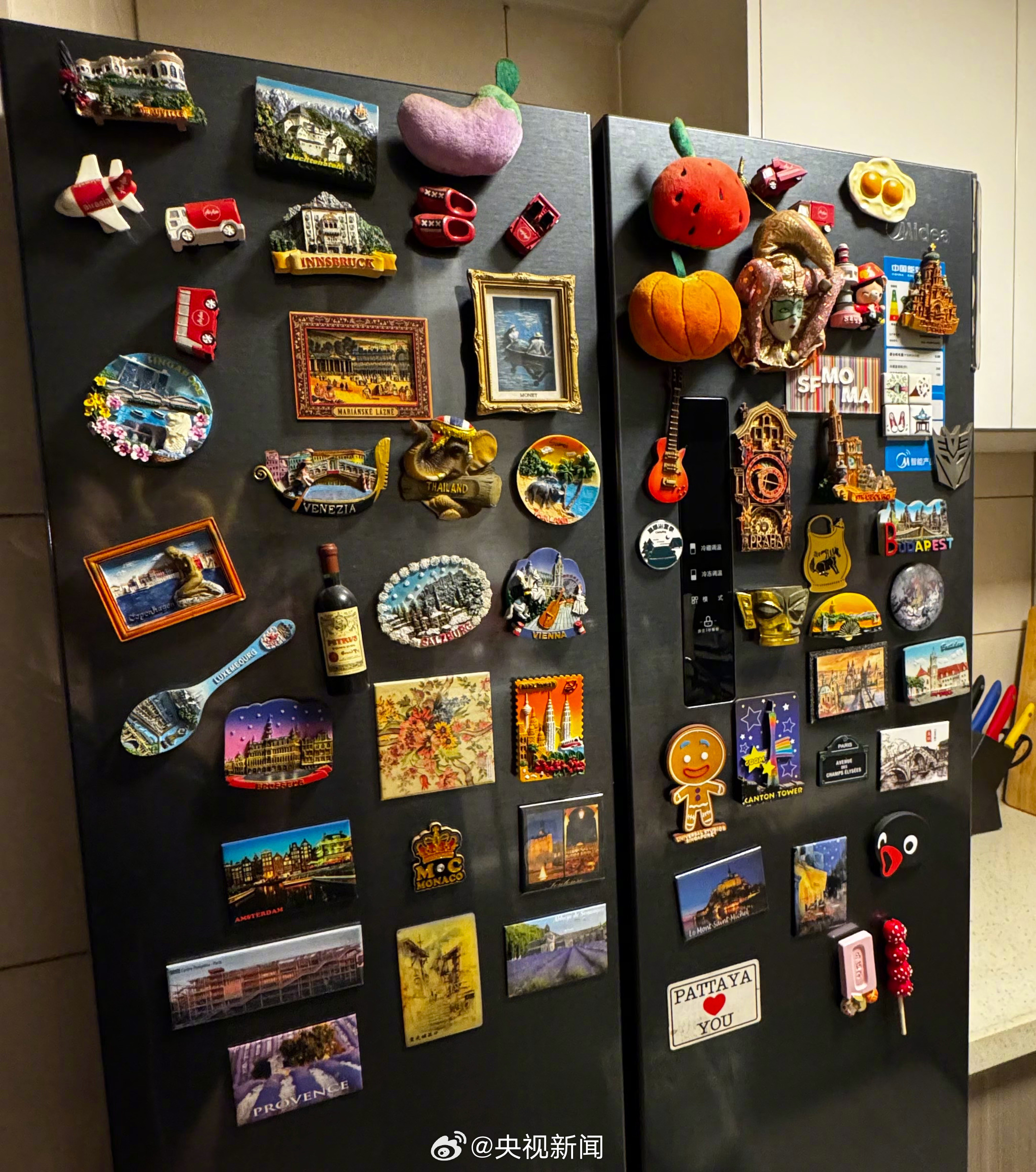
The phenomenon of museum refrigerator magnets has also led to the creation of a new type of collector's culture, with many young people collecting and displaying these magnets in their homes. The magnets have become a way for people to showcase their interest in history and culture, as well as a way to decorate their living spaces. The popularity of museum refrigerator magnets has also led to the creation of a new type of social media trend, with many people sharing photos of their collections on platforms such as Weibo and Instagram.
The success of the phoenix crown refrigerator stickers is a testament to the power of cultural and creative products in promoting museums and their collections. As museums continue to explore new ways to engage with the public and promote their cultural heritage, the demand for these products is likely to continue to grow. The explosive sales of the museum's creative ice box stickers not only reflect people's love for cultural and creative products but also show the younger generation's pursuit of aesthetic and emotional experiences in life. As cultural and creative products continue to develop and diversify, it is expected that people's enthusiasm for them will remain high.
The popularity of museum creative products is a testament to the power of cultural heritage in inspiring and enriching people's lives, and it is a trend that is expected to continue in the future. The success of these products lies in their ability to tap into the cultural connotations of the artifacts behind them, making them not just mere commodities but carriers of cultural significance. As museums continue to explore new ways to engage with the public through creative products, it is likely that we will see more innovative and appealing designs that cater to the diverse tastes and interests of consumers.