China's Rising Computing Power: Reshaping Global Tech and Geopolitics
Nvidia CEO Jensen Huang's recent statement that China possesses sufficient computing capabilities has sparked significant discussions on the global technological, economic, and political landscapes. This declaration reflects several critical aspects, including the rise of China's technological prowess, the impact on the global tech industry, and implications for geopolitics and the economy.
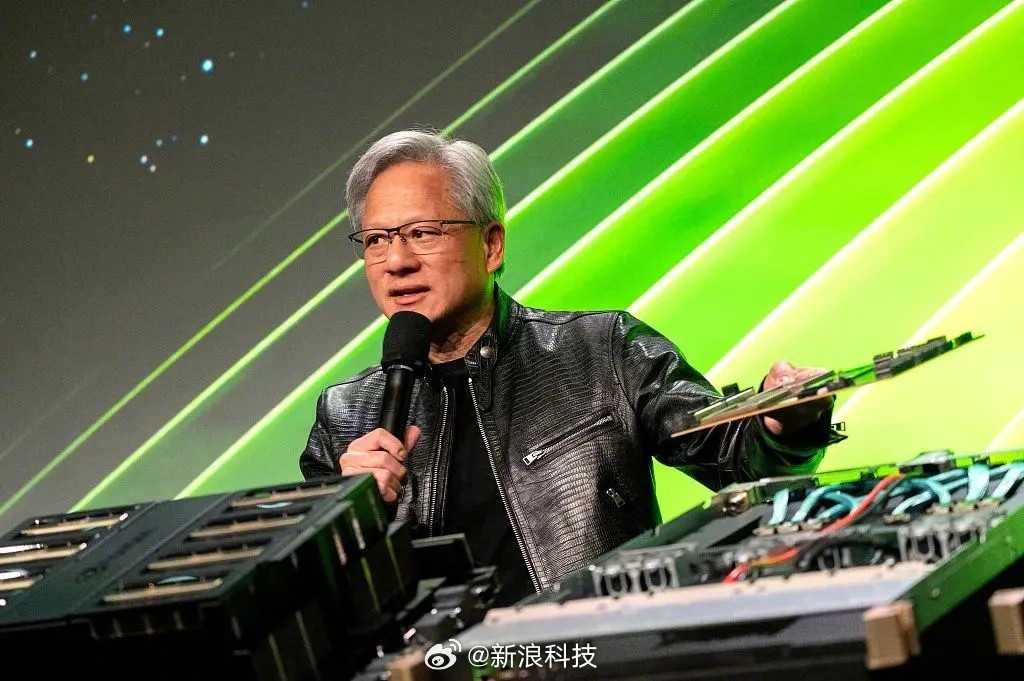
Firstly, Huang's comments signal China's remarkable advancements in computing hardware and AI large models, which are now potentially on par with world-leading standards. This progress indicates not only China's capability to independently conduct AI research and applications but also its establishment of a robust foundation in core computing capabilities. Despite previous U.S. restrictions on chip exports to China aimed at limiting its AI development, China has managed to optimize existing hardware and software, finding efficient alternatives even under external constraints.
Secondly, the enhancement of China's computing capabilities is set to intensify global competition in the AI domain. The rise of domestic enterprises in China will compel international tech giants, including Nvidia, to adjust their strategies within China, possibly shifting towards deeper technological collaborations or localized production to adapt to the new competitive environment. Additionally, the future tech supply chain will emphasize regionalization and diversification to mitigate risks associated with geopolitical tensions.
From a geopolitical and economic perspective, Huang's statement underscores the notion that technological strength determines changes in global political and economic power balances, as well as the destinies of nations. China's progress in computing capabilities will undoubtedly elevate its status and influence in global politics and the economy.
Moreover, the effectiveness of the U.S.'s stringent chip export controls is being challenged. On the one hand, these restrictions have accelerated China's independent research and development; on the other hand, they have harmed the interests of U.S. chip companies. There are concerns that the U.S. government may reassess the long-term impacts of its technology policies, given the fear among U.S. tech giants of losing the Chinese market.
In conclusion, Jensen Huang's remarks not only affirm China's technological advancements but also offer a profound insight into the reshaping of the global technological, economic, and political order. It heralds a more multipolar tech world, with China's position in the global AI domain continuing to rise, prompting countries to rethink their strategies and positions in high-tech competition.