China's Space Odyssey: 100 Launches Planned for 2023
China's Space Odyssey: Anticipation Grows as 100 Launches Planned for 2023 China's space ambitions continue to soar as recent reports indicate the nation plans to conduct 100 space launches in 2023. This monumental milestone aims to create a new record in the historical journey of human space exploration. The ambitious announcement by the China Aerospace Science and Technology Corporation (CASC) encompasses a diverse range of missions, including two crewed spacecraft launches and two cargo spacecraft launches, in addition to multiple communication satellite launches and scientific exploration missions. The revelation has captured the attention of the global space community and sparked a flurry of excitement among Chinese citizens.
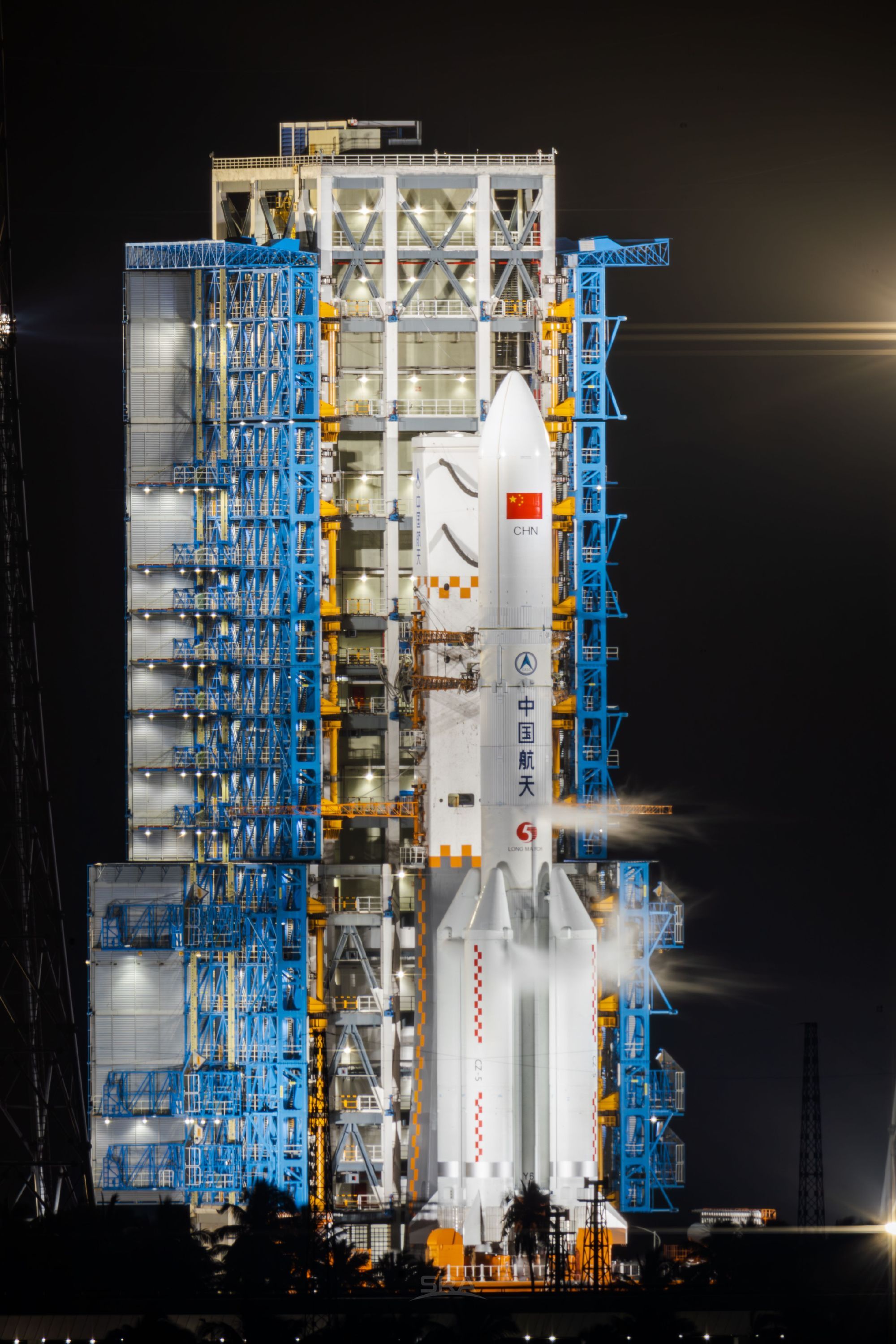
In a recent Weibo post, a user exclaimed, "Chinese aerospace is excellent! Wow! You are my pride!". Others expressed their anticipation at witnessing a live rocket launch, a rare opportunity for many in the country. One user reminisced about the early days of China's space program, recalling the yearly launch quota of 20 missions before steadily increasing to 30.
An official blue paper released by CASC on February 26, 2023, outlines the 2023 schedule and highlights a series of major projects. These include the maiden flights of the Long March 6B and Long March 12 rockets, as well as the Chinese space station entering a regular operational mode. The blue paper also indicates that China will complete two cargo spacecraft launches and two crewed spacecraft launches, along with two rendezvous and docking missions, all within the year.
While the international space community acknowledges China's rapidly flourishing influence in the field, concerns have also arisen, primarily in relation to the environmental impact of these 100 launches. Though China has implemented measures to mitigate the environmental consequences of its space activities, questions remain about the long-term implications of such a vast number of launches. In 2022, China set an unprecedented record with 55 successful space missions, illustrating the nation's remarkable growth in the space industry. This ambitious target of 100 launches for 2023 is anticipated to solidify China's position as a leading contender in the global space race, with potential implications for future partnerships and technology transfers. The successful implementation of these 100 launches could lead to groundbreaking technological advancements and an enhanced quality of life for people worldwide.
However, it is crucial to strike a balance between progress and responsibility, ensuring that space exploration remains both sustainable and beneficial to the global community. As China continues to journey towards the stars, it is essential to remember that the safety and well-being of the planet and its inhabitants must remain a priority.
CAS has not yet confirmed the date of the first launch, stating that the schedule may change based on factors such as weather conditions, equipment readiness, and mission objectives. In summary, China's space industry is set to make significant progress in 2023, with plans for 100 space launches. This ambitious agenda has piqued the interest of both the Chinese public and the global space community. However, as the country advances in space exploration, it is critical to address concerns about environmental impact and prioritize the safety and well-being of the planet and its inhabitants.
Meanwhile, in related news, construction of two new 100,000-tonne aircraft carriers has commenced at Jiangnan Shipyard and Dalian Shipyard. These new vessels will augment China's burgeoning naval arsenal and are expected to be completed by the mid-2020s.
However, the announcement of these new carriers has also generated concerns among some in the international community, with critics arguing that China's growing naval capabilities may lead to heightened tensions in the South China Sea and beyond. Despite these concerns, China maintains that its naval modernization efforts are for defensive purposes and do not pose a threat to other nations. As China's space and naval ambitions continue to expand, it remains to be seen how these advancements will reshape the global geopolitical landscape in the coming years.
One thing is for certain, though: China is rapidly becoming a formidable force in both the space and naval domains, impacting international relations and global security. In the meantime, anticipation is at an all-time high as China gears up for a year of unprecedented space exploration. With 100 launches planned, the world will be watching closely as the nation continues to push the boundaries of human achievement.