China to Taiwan: Independence Leads to a Dead End
The phrase "台独是死路一条" translates to "Taiwan independence leads to a dead end" in English. This phrase has been circulating widely on Chinese social media platforms, including those run by state-controlled outlets, as a warning to Taiwan's independence movement. The message is clear: pursuing independence from mainland China is a futile endeavor that will ultimately lead to a dead end.
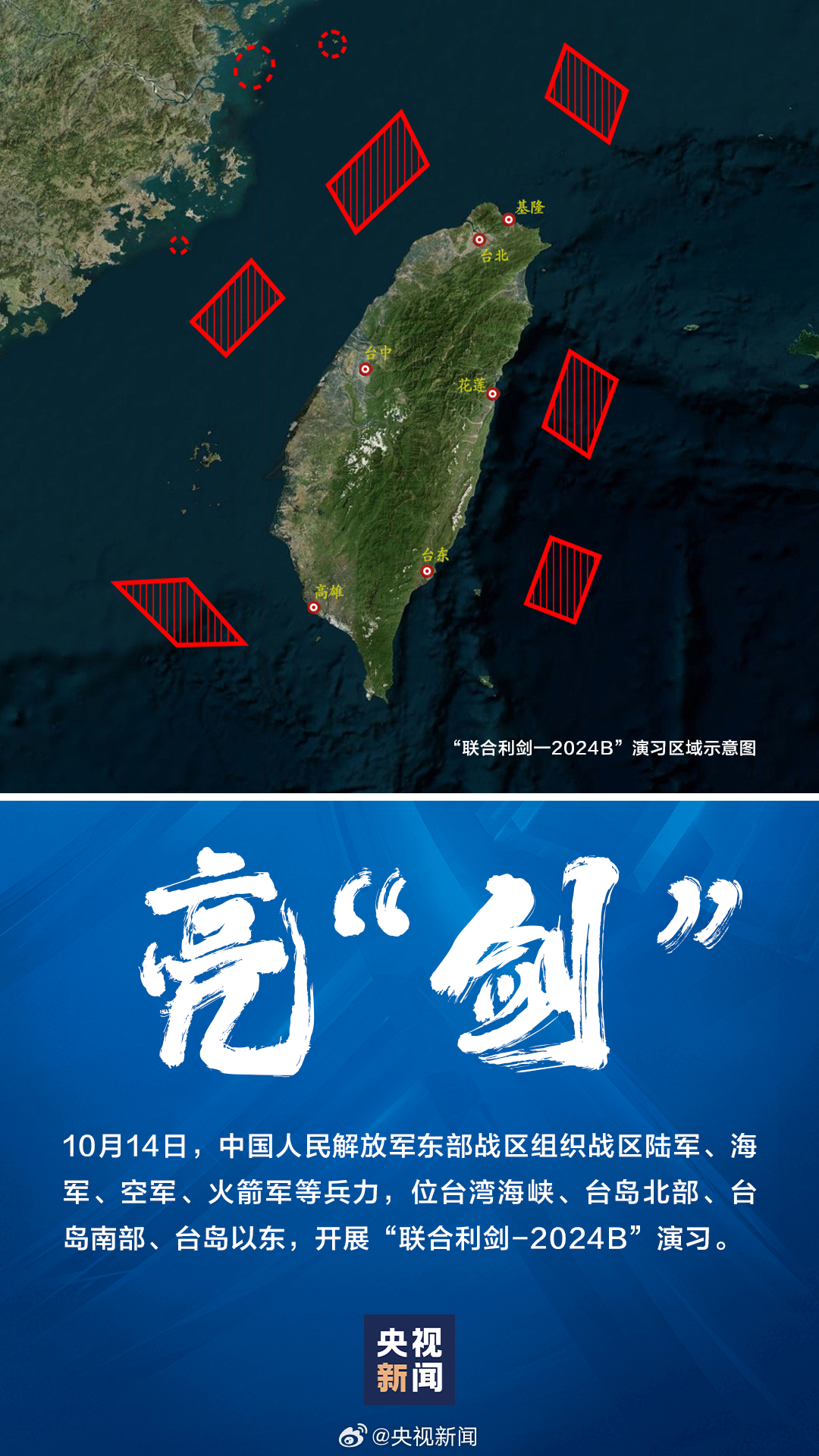
The phrase gained renewed traction following a series of military exercises by the People's Liberation Army (PLA) in the Taiwan Strait, intended to demonstrate China's military prowess and deter Taiwan from pursuing formal independence. The exercises, dubbed "联合利剑2024B演习" or "United Sword 2024B Exercise," were widely publicized on Chinese state media, along with the hashtag #台独是死路一条.
The message is part of a broader propaganda effort by the Chinese government to reinforce the notion that Taiwan is an inalienable part of China and that seeking independence is a path that will lead to disastrous consequences. Beijing has consistently stated that it will not rule out the use of force to bring Taiwan under its control, should the island formally declare independence.
The phrase has also been promoted by Chinese netizens, who have taken to social media to express their support for reunification and opposition to Taiwan's independence movement. The hashtag #台独是死路一条 has been used thousands of times on Chinese social media platforms, often accompanied by patriotic messages and symbols, such as the Chinese flag.
While the phrase may be seen as a form of intimidation by some, it reflects the Chinese government's unwavering commitment to the principle of "one China" and its determination to prevent Taiwan from pursuing a separate identity. As tensions between Beijing and Taipei continue to escalate, the phrase "台独是死路一条" is likely to remain a fixture of Chinese rhetoric on the topic of Taiwan's status.
Taiwan has been a part of China since ancient times, according to Beijing's narrative. Historical records suggest that the island was inhabited by indigenous tribes before being colonized by the Dutch in the 17th century. In 1662, the Ming loyalist Koxinga drove the Dutch out and established the Kingdom of Tungning, which eventually became part of the Qing dynasty's territory.
The Qing dynasty ruled Taiwan as a prefecture of Fujian province until 1895, when it was ceded to Japan following the First Sino-Japanese War. After Japan's defeat in World War II, Taiwan was returned to the Republic of China (ROC), which was then led by the Nationalist Party (KMT). However, the Chinese Civil War led to the KMT's defeat, and the party retreated to Taiwan, establishing it as the seat of the ROC government.
The People's Republic of China (PRC) claims Taiwan as its sovereign territory under the principle of "One Country, Two Systems." Beijing views Taiwan's independence movement as a threat to its national unity and territorial integrity. The Chinese government has repeatedly stated that it is willing to use force to prevent Taiwan from declaring independence, and the recent military exercises are seen as a demonstration of its military capabilities and commitment to unifying the island with the mainland.
The PLA's recent military exercises in the Taiwan Strait demonstrate a pattern of escalation. In a show of force, the PLA Eastern Theater Command launched the "Joint Sword 2024B" exercise on October 14. The large-scale training operation involved the coordination of various military branches, including the army, navy, air force, and rocket force. According to state broadcaster CCTV, the exercise took place in multiple regions, including the Taiwan Strait, northern Taiwan, southern Taiwan, and east of the island.
This exercise, combined with previous exercises such as "Joint Sword 2023" and "Firepower 2022", reveals a clear pattern of escalation. By overlaying the operational areas of these exercises, it becomes clear that China is gradually increasing the scale and scope of its military activities around Taiwan. The exercises have progressively moved closer to Taiwan's territorial waters and airspace, with the latest exercise encroaching on the island's northern and southern regions.
This escalation is a stark reminder of China's unwavering commitment to its "one-China" policy and its determination to prevent Taiwan from formally declaring independence. As the international community watches with increasing concern, it is clear that the Taiwan Strait has become a flashpoint in the regional security landscape.
The notion that Taiwan is an integral part of China is deeply ingrained in the country's narrative, and Beijing has long maintained that the island has been a part of Chinese territory since ancient times. Chinese netizens have taken to social media to express their support for the "One China" policy, using hashtags such as #台独是死路一条 (#TaiwanIndependenceIsADeadEnd#) and #台湾自古就是中国领土# (#TaiwanHasAlwaysBeenChineseTerritory#). As tensions between Beijing and Taipei continue to escalate, it remains to be seen whether China's narrative on Taiwan's history and status will ultimately prevail.
The ongoing military exercises and propaganda efforts by China have underscored its resolve to protect what it considers its sovereign territory. The message from Beijing is clear: Taiwan's independence movement is a threat to national unity and territorial integrity, and pursuing independence is a path that will lead to disastrous consequences.