China's Technological Innovations Empower Disabled Community, Call for Societal Inclusivity
China has been making significant strides in the area of assistive technology for people with disabilities, evident from the recent discussions on social media, particularly on Weibo. As the country commemorates “National Help the Disabled Day,” there has been a proliferation of tweets and discussions surrounding the technological innovations aimed at enhancing the quality of life for people with various disabilities. A tweet from the People's Daily highlights, “#AI exoskeleton robots are assisting people with disabilities to regain mobility; intelligent bionic hands help limb-impaired individuals reclaim their lives; electronic guide dogs aid those with visual impairments in navigating outdoor spaces; and intelligent voice-to-text technology facilitates communication for those with hearing impairments.” The tweet underscores the technological advancements in assistive devices and their impact on the disabled community over the past five years. The China Disabled Persons' Federation has reportedly established over 300 research projects to propel assistive technology research and application.
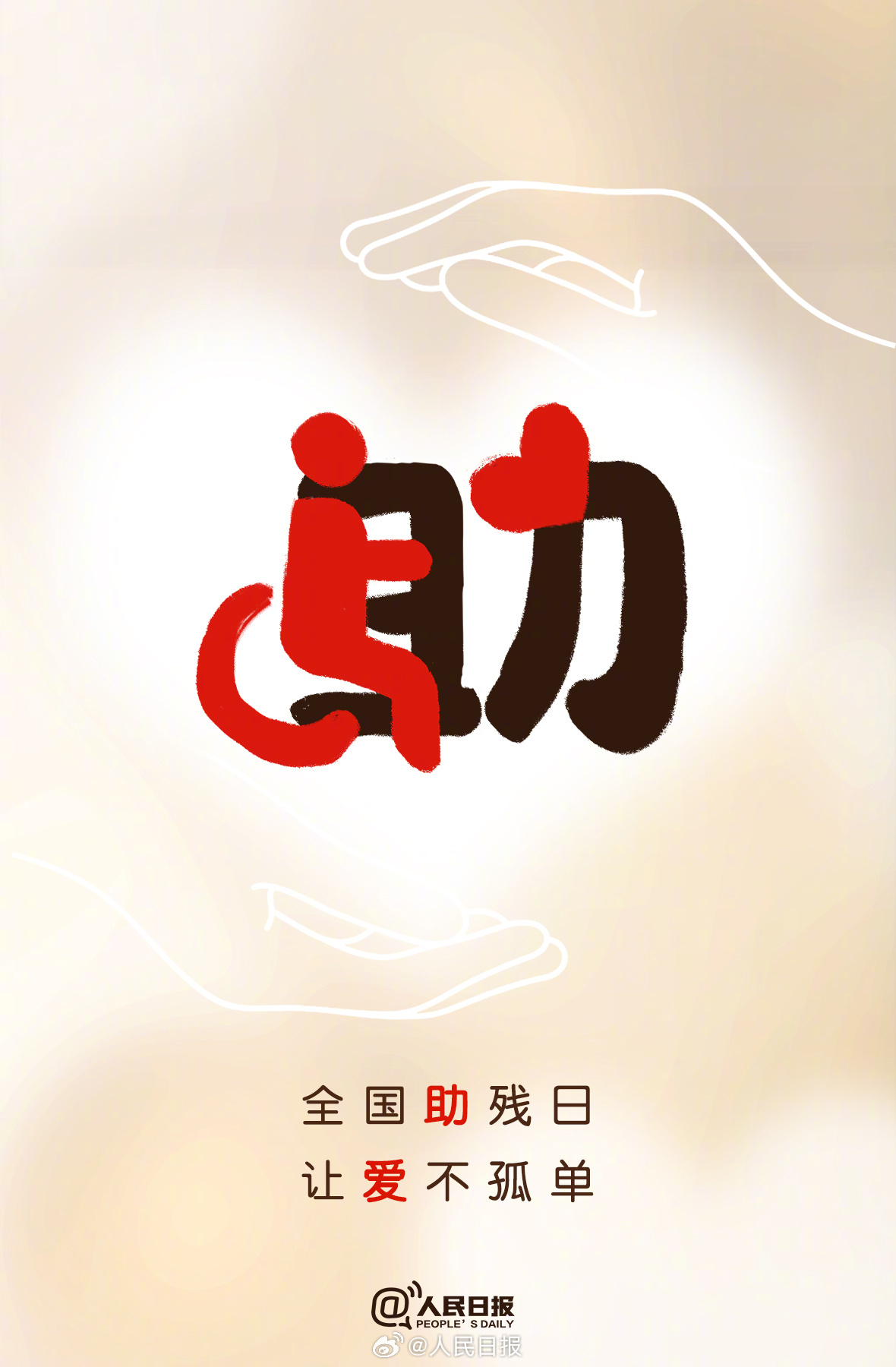
Another tweet amplifies this sentiment, urging social respect for the disabled: “More respect, less prejudice. Don’t just think of them today; in everyday life, you too can be the person who offers help!” This call for inclusivity emphasizes ongoing support beyond designated observance days, reflecting the need for societal change in attitudes towards people with disabilities.
One compelling narrative emerging from the tweets is that of Li Juan, a woman who lost her left leg in a high-position amputation due to a car accident when she was 15. The tweet from Jiupai News recounts her journey: “In 2003, she founded a rehabilitation equipment company and, over the past 20 years, has helped more than ten thousand patients rebuild their limbs.” Notably, 15% of her company's employees are individuals with disabilities, showcasing a successful model of inclusive employment.
As one of her employees mentioned, “After my car accident, I couldn’t do my previous job. I’ve been working with Li Juan making prosthetics for 18 years now, during which I met my wife, and we have two daughters.”
The story of Li Juan highlights not only technological innovation but also the personal and communal growth that can accompany such advancements. Her ability to turn her tragedy into a source of empowerment for others is a testament to the potential for societal rehabilitation and reintegration provided through technology and supportive community structures. Innovations are not limited to physical impairments.
In Nanjing, artist Guo Haiping has been working for the past decade to assist people with mental disabilities through a unique form of expression known as original or instinctive art. As described in a tweet, Guo Haiping’s art studio has helped over 200 individuals find personal and social value through art. He believes that “original art is a form of expression that relies on one’s instincts and nature without requiring others’ experiences.” This initiative, supported by the Nanjing Disabled Persons' Federation, aims to eradicate public prejudice and discrimination against people with mental disabilities by showcasing their inherent potentials.
The resonance of these innovations and personal stories on Weibo indicates a mixed array of reactions from netizens. Many applaud the technological advancements and the resulting opportunities for people with disabilities. Comments like, “Amazing progress! This is the power of technology,” and “Respect to those who are not only surviving but thriving!” reflect widespread approval.
However, there are also cautionary voices emphasizing the need for broader acceptance and routine support for the disabled community beyond technological offerings. Overall, these discussions underscore a critical point: while technology plays an indispensable role in improving the lives of people with disabilities, societal attitudes and systemic support structures must evolve concurrently to foster true inclusivity.
Twitter user Guo aptly summarizes this sentiment: “Equal treatment, rather than sympathy or pity, is the best way to care for them.” As China continues to innovate in assistive technologies, the country is setting a significant example globally. The confluence of AI exoskeletons, intelligent bionic hands, electronic guide dogs, and voice-to-text technology demonstrates a robust and multifaceted approach to addressing the diverse needs of the disabled community. Moreover, individual stories of resilience and community initiatives illustrate the broader impact of these technologies, beyond mere functionality, fostering reintegration and societal acceptance. In conclusion, the advancements showcased on National Help the Disabled Day not only highlight China’s technological progress but also call for continuous societal efforts towards inclusivity and respect for individuals with disabilities. It is a reminder that while technology can bridge many gaps, the onus remains on society to foster an environment where every individual is equally valued and supported.