China’s Power Grid Surpasses 1 Trillion kWh in July 2024, Setting New Global Demand Record Amid Heat‑Driven Surge and Renewable Growth
China’s power grid recorded a historic milestone in July 2024, when national electricity consumption surged past the one‑trillion‑kilowatt‑hour mark for the first time. The final tally, released by the state grid operator, stood at 1.02 trillion kWh – an 8.6 percent rise on a year‑on‑year basis – and set a new world record for monthly demand.
The surge was driven by a perfect storm of weather, economic activity and a maturing energy system. July’s average temperature climbed to its highest level since modern records began in 1961, prompting households across the country to fire up air‑conditioners in unprecedented numbers. In provinces such as Henan, Shaanxi and Shandong residential electricity use jumped more than 30 percent, a pattern echoed in the bustling megacities where cooling demand spiked to the limits of the grid’s capacity. The heat‑driven uptick in power use was matched by a broader rebound in economic activity. Agricultural electricity consumption rose by over 20 percent, reflecting a return to intensive planting and processing cycles, while high‑end manufacturing – especially the new‑energy‑vehicle sector – logged a gain of more than a quarter. The digital economy and the expanding network of electric‑vehicle charging stations posted the most dramatic jump, with demand climbing roughly 40 percent in the month.
That industrial vigor was evident in the sheer volume of power drawn by factories, steel mills and chemical plants, all of which reported a robust return to pre‑pandemic output levels. For many observers, the numbers read like a barometer of China’s overall economic health: a country that can power a massive manufacturing base while keeping millions of homes comfortably cool has clearly moved beyond the austerity measures that once forced regional power cuts during heat waves.
Yet the record also underscores how far China’s energy infrastructure has come. Nearly a quarter of the electricity generated in July came from renewable sources – a share that has risen steadily as the nation pushes to decarbonise its power mix. The growth of wind and solar capacity is already translating into real‑world output. Projections from the national energy plan suggest that by 2030 wind generation could reach between 1.65 and 1.92 trillion kWh, while solar could produce 1.47 to 2.28 trillion kWh. Looking further ahead, the 2060 horizon envisions wind and solar each delivering 5.75 to 8.00 trillion kWh annually, a scale that would comfortably meet – and eventually exceed – the country’s projected demand.
The implications of the July record ripple through industry, society and politics. For heavy‑industry players, the surge confirms that high‑energy sectors remain a pillar of growth, but it also highlights the strain such demand places on the grid. System operators have warned that sustained peaks could force upgrades to transmission lines, expand storage capacity and accelerate the rollout of smart‑grid technologies that balance supply and demand in real time. The pressure has already sparked renewed government investment in both conventional and clean‑energy infrastructure, as well as incentives for factories to adopt more energy‑efficient processes or relocate to regions with richer energy resources.
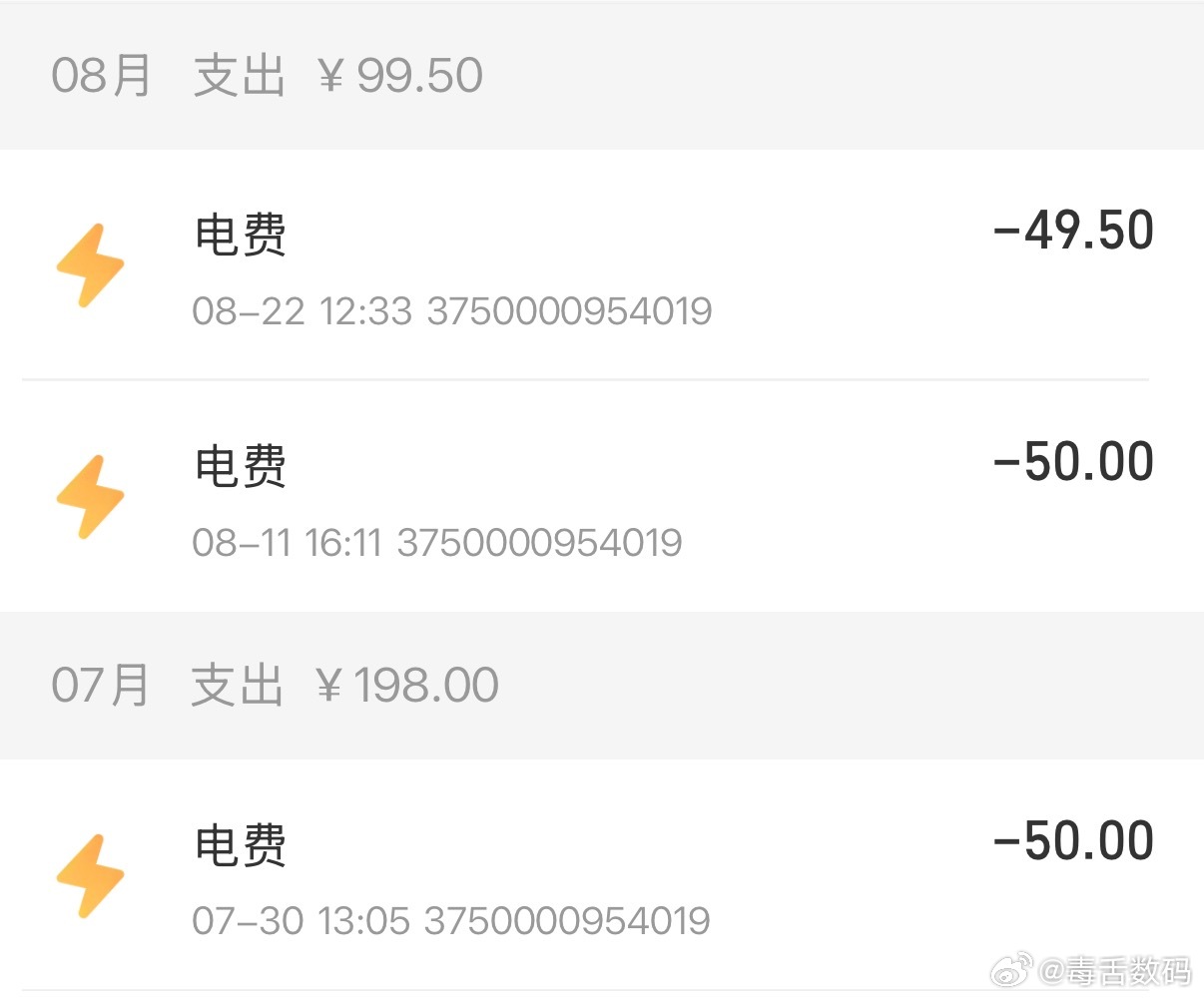
On the social front, the data points to a marked improvement in living standards. The ability to keep air conditioners running through scorching afternoons without the spectre of rolling blackouts marks a sharp departure from the power rationing that plagued many Chinese cities a decade ago. At the same time, the higher electricity bills that accompany such usage have spurred a wave of public conversation on platforms like Weibo. Users have shared everything from personal anecdotes about soaring cooling costs to analyses linking the power surge to broader industrial output and China’s capacity to support emerging technologies such as artificial intelligence and robotics. The discourse has also turned to environmental concerns: while renewables are climbing, the sheer volume of electricity consumed inevitably draws on coal and other fossil fuels, prompting calls for stricter emissions controls and more aggressive renewable deployment.
Policymakers are now navigating a delicate balance between energy security and climate ambition. The record‑breaking consumption reinforces the strategic importance of a reliable power supply for both economic stability and social harmony, especially as the government seeks to avoid the unrest that can accompany localized shortages. At the same time, the data serves as a potent reminder of China’s obligations under the Paris Agreement and its own carbon‑peak and carbon‑neutrality goals. In response, officials have signaled plans to tighten energy‑efficiency standards, fast‑track the construction of ultra‑high‑voltage transmission corridors, and deepen international cooperation on clean‑energy technology and resource development. The international community, meanwhile, watches closely, aware that China’s energy trajectory will shape global carbon emissions for decades.
The July figures also have macro‑economic signaling value. Power consumption is a long‑standing proxy for economic activity, and an 8.6 percent year‑on‑year increase is being read by analysts as evidence of a vigorous recovery that could influence future fiscal and monetary policy. With the first quarter of 2024 already showing a 9.8 percent jump in electricity use and the fourth quarter projected to grow by about 3.6 percent – the latter tempered by the typical cooling effect of the leap‑year calendar – the trend suggests a sustained, if uneven, upward trajectory.
In sum, the breakthrough in July is more than a statistical curiosity; it is a snapshot of a nation at a crossroads. The ability to meet a trillion‑kilowatt‑hour demand without widespread blackouts illustrates a maturing grid, a revitalised industrial base and a population whose quality of life has risen alongside its appetite for power. At the same time, the episode casts a spotlight on the challenges of meeting that appetite in a carbon‑constrained world. As China pushes forward with its ambitious renewable‑energy roadmaps and tightens the reins on energy intensity, the world will be watching whether the country can keep setting consumption records while simultaneously cutting the emissions that accompany them.