Iran's Escalation at Hormuz Sinks Global Markets on the Last Night of China's Holiday
With A-shares closed for Golden Week, Iran's intensified attacks on Hormuz shipping sent oil toward $102 and equities tumbling worldwide — leaving Chinese investors a single session to price it all in on Thursday.
On the last evening of China's eight-day Golden Week, with mainland markets shut and hundreds of millions of travelers still on the road home, global markets turned sharply against risk — and Chinese investors spent the night working out what Thursday's reopening would cost them.
The trigger came from the Strait of Hormuz. Iran intensified attacks on shipping through the waterway, and a senior Revolutionary Guard adviser said its remaining "illegal channels" would soon be shut, as The Paper reported. Brent crude climbed toward $102 a barrel. Equities sold off through Asian hours in Seoul and Tokyo, through the European evening, and by the New York open the Dow was down nearly 600 points and the Nasdaq more than 200, as Hong Kong's HK01 tallied. The US 10-year Treasury yield climbed back above 5.30% ahead of a $39 billion auction. Gold and silver — the season's domestic refuge trade — fell too.
For mainland investors the sting is arithmetic: A-shares have been closed since the holiday began, so the week's global damage lands in a single session. Sina Securities' night note walked readers through the sell-off and conceded that "no one knows how Thursday's open will play out." One widely passed reply distilled the grievance into holiday folklore: "When China is on holiday, the rest of the world rallies. The day our holiday ends, Europe and America crash. Our own A-shares come back from vacation and pick up the bill. Used to it."
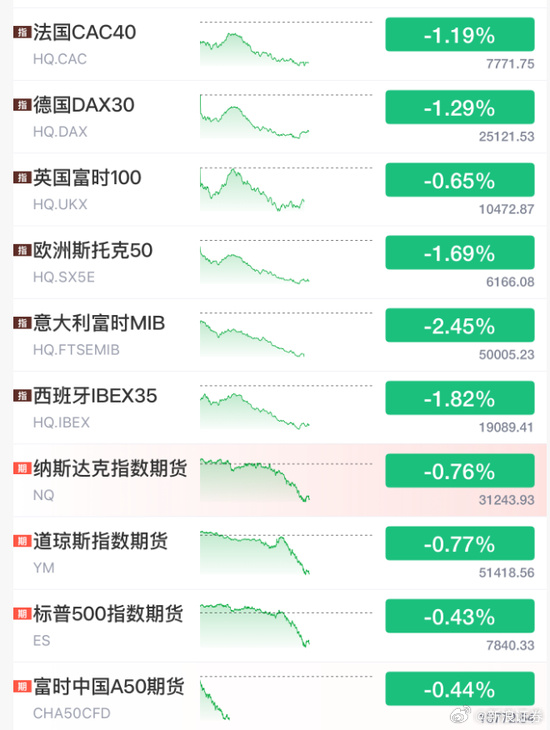
The selloff dominated Baidu's business board into the night, alongside a warning that gave it shape. In Singapore, Bridgewater's Ray Dalio told a Forbes CEO conference that the AI investment boom, increasingly financed by debt, is "a typical bubble" nearing its breaking point, as HK01 reported. And on the same day, China's reserve data showed the central bank buying gold for a 23rd straight month, adding 740,000 ounces in September — the institutional version of the instinct that made twenty-somethings gold's main buyers earlier this autumn.
A-share trading resumes Thursday morning. Between now and then sit the Treasury auction, the next round of Hormuz headlines, and an opening gap that, by Sina's own admission, no one is claiming to price.